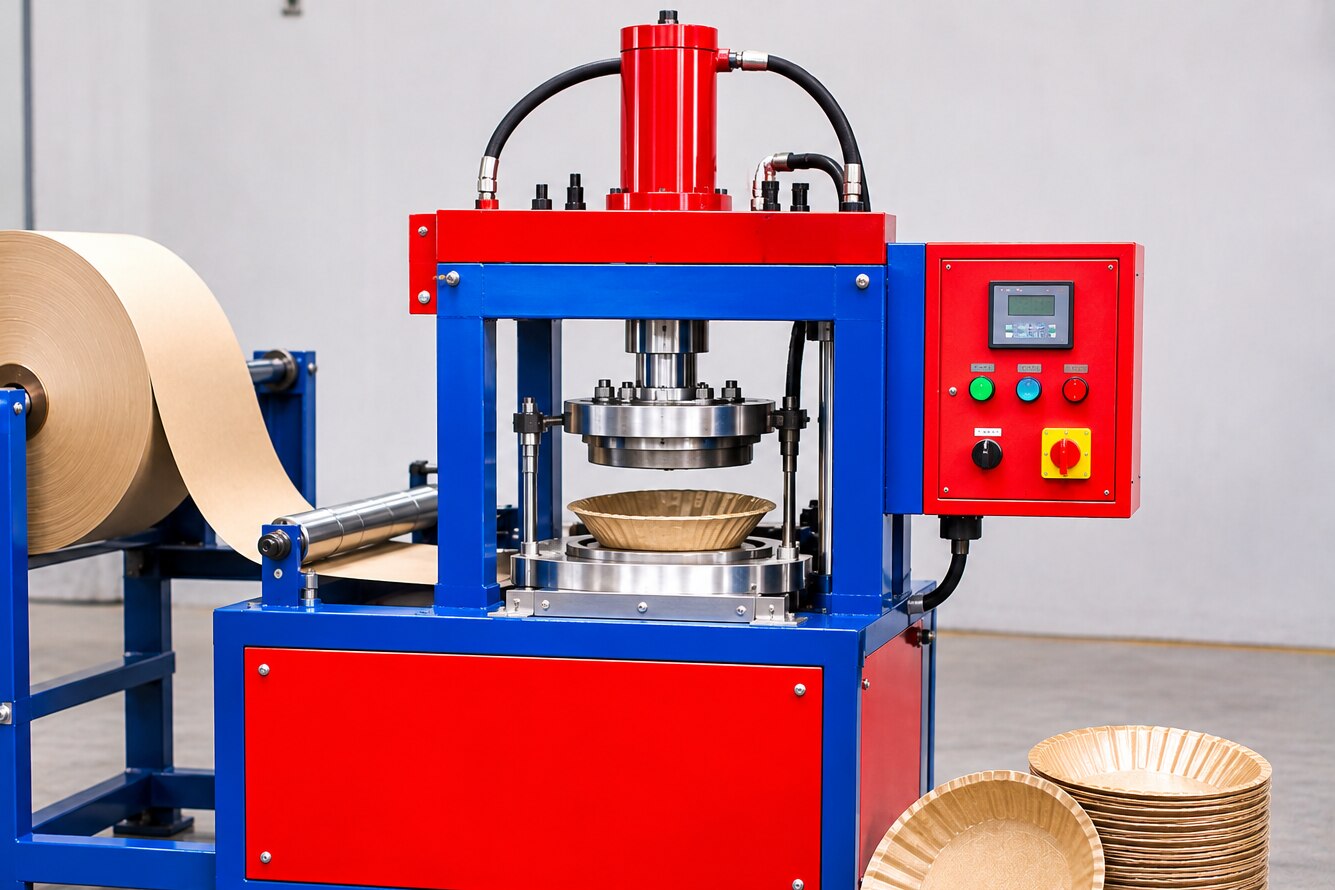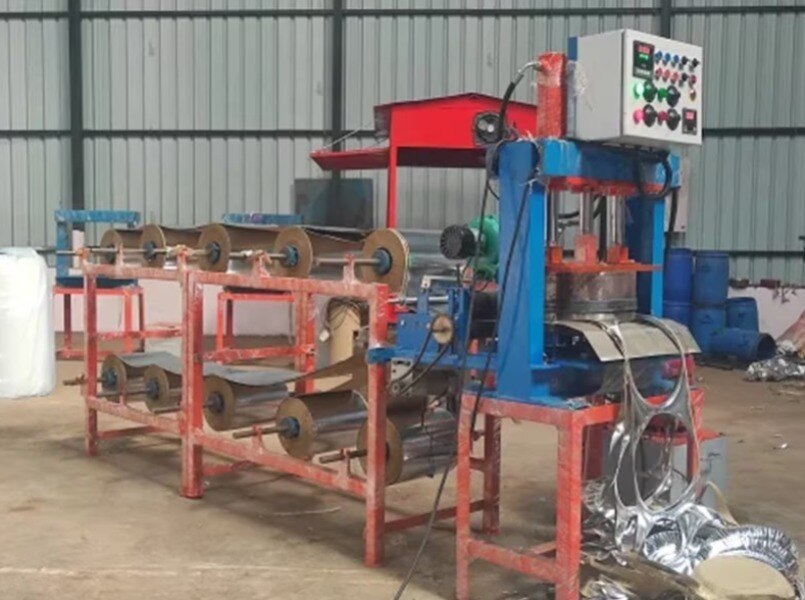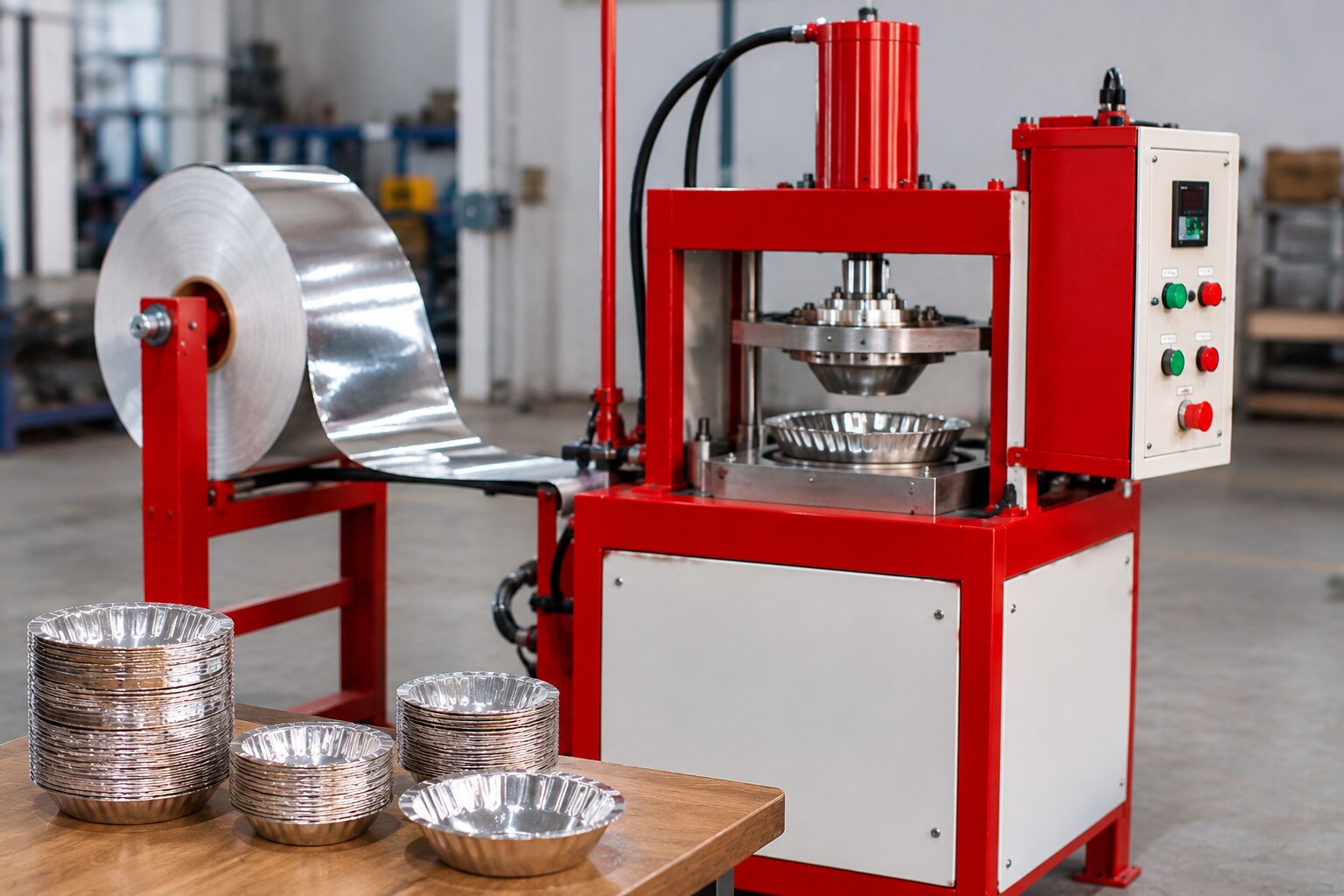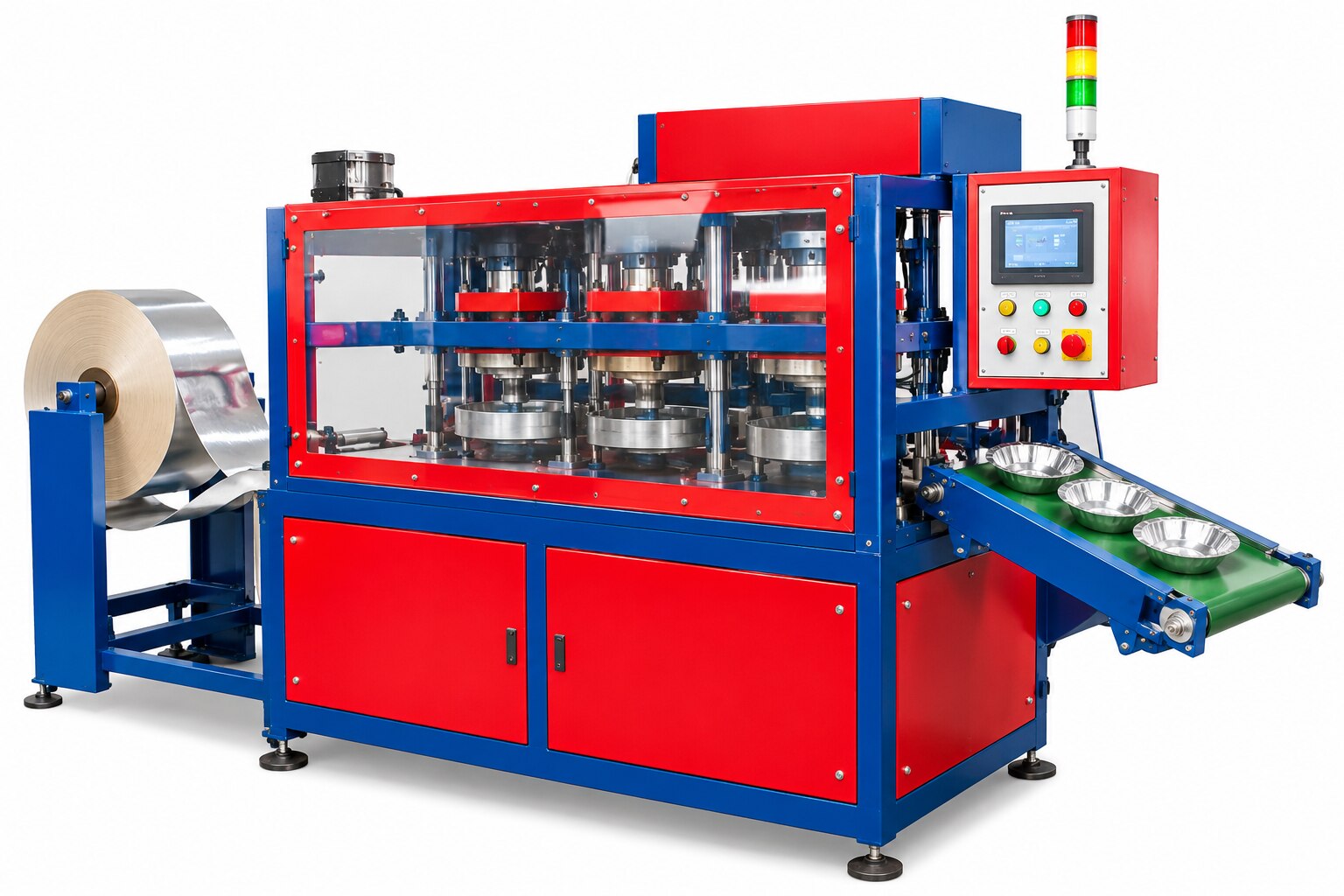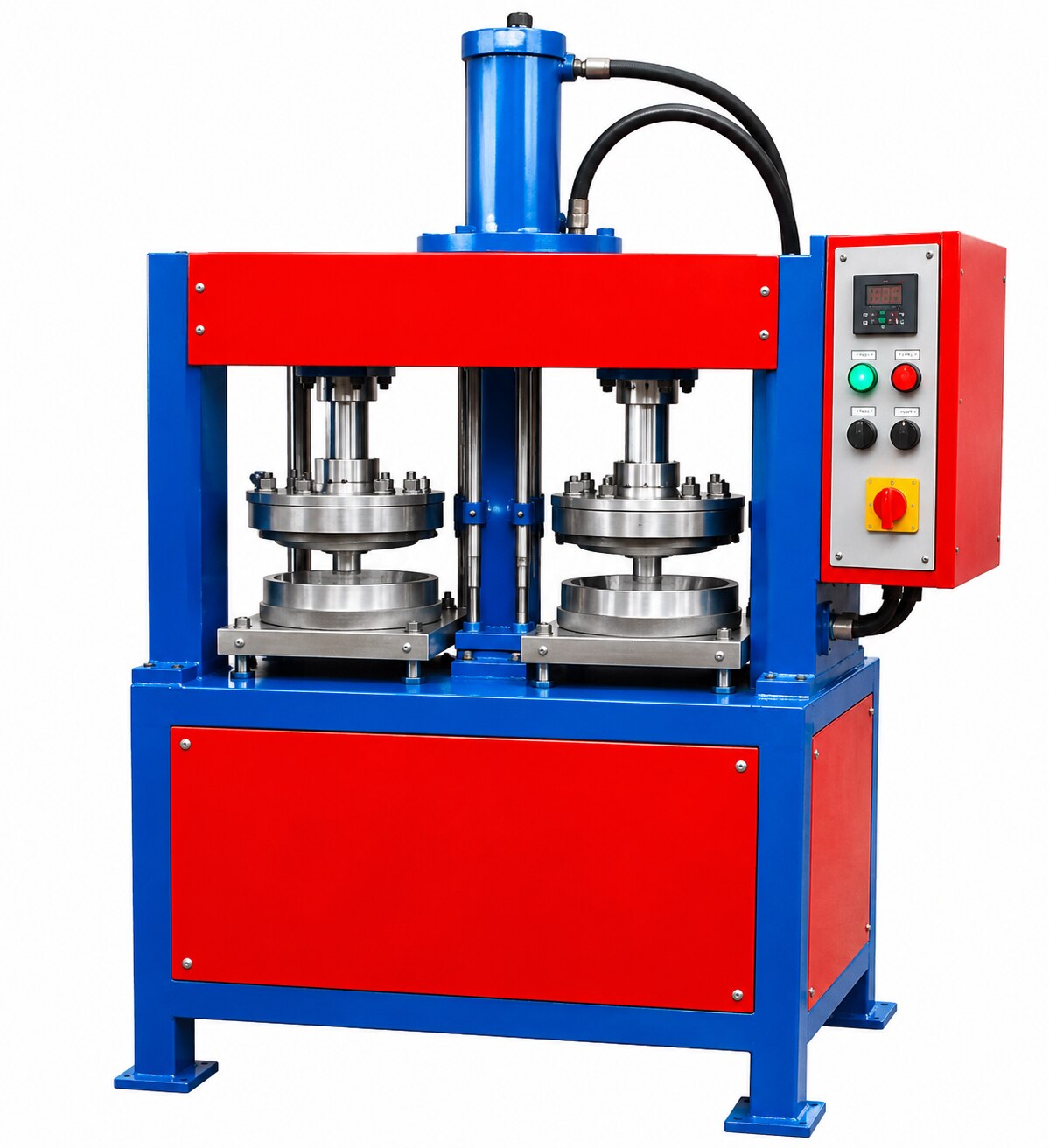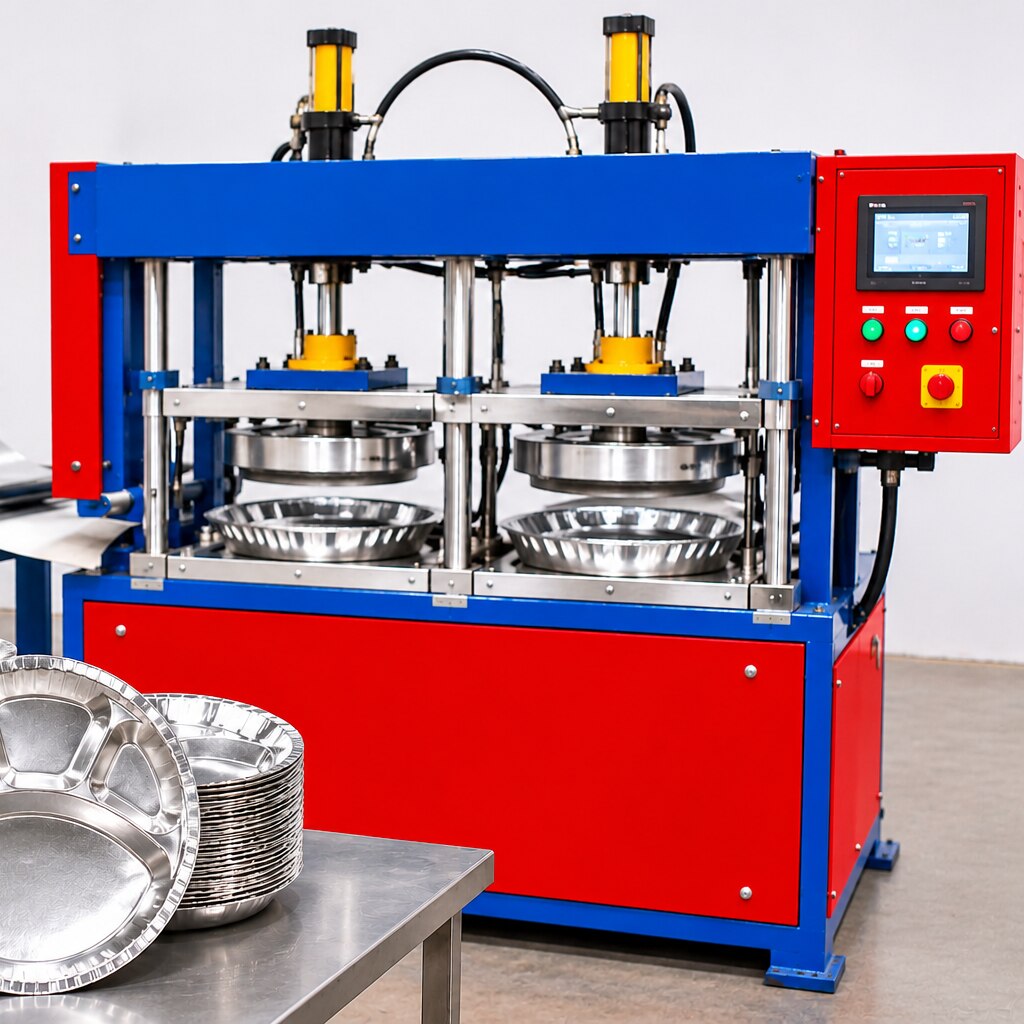
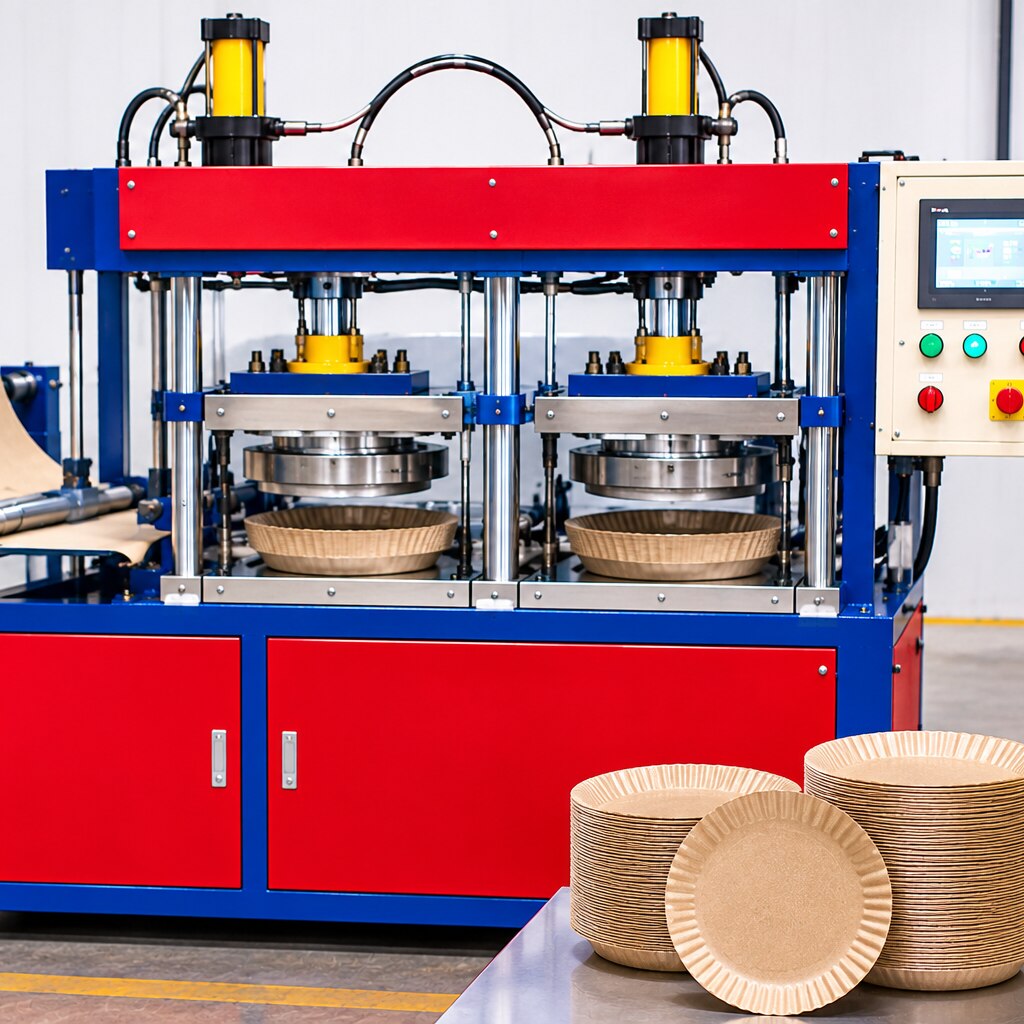
A paper plate machine earns money only when it forms saleable plates consistently, and a breakdown can stop output while operators, paper blanks and customer orders wait. By the end, you will know which support commitments to document, how to test them during commissioning, and how to compare downtime risk against the purchase price.
Key takeaways
- Get response times, warranty coverage and service exclusions in writing.
- Use commissioning and acceptance tests before approving the machine.
- Confirm spare-parts availability, control-system support and local technician access.
- Compare the cost of downtime with the machine’s purchase price.
What after-sales support actually covers—and why downtime is expensive
After-sales support is the set of services delivered after the machine arrives: installation and commissioning, electrical and hydraulic testing, operator training, preventive-maintenance instructions, warranty handling, troubleshooting, spare-parts supply and technician response. It converts delivered equipment into usable production capacity.
Without it, one wiring fault, misaligned die or unstable hydraulic setting can stop plate output, delay orders and leave operators idle.
Require these deliverables before treating support as adequate:
- Site verification covering electrical phase and voltage, compressed-air pressure and flow, ventilation, floor loading, ambient temperature and operator access.
- Installation records showing levelling, hydraulic oil, pressure settings, emergency-stop operation, lubrication points and heater controls where fitted.
- Training for operation, die changes, cleaning, jam recovery and routine maintenance.
- Electrical schematics, I/O lists, PLC and HMI backups, parameter files, alarm definitions, access passwords and equivalent control-component references.
- Tooling support stating die interchangeability, required tolerances, setup-parameter storage and the lead time for a new die.
- A service process naming the response channel, working hours, escalation contact, remote-diagnosis limit and technician dispatch target.
Commissioning should finish with a recorded trial using your material and tooling. Measure continuous running, dimensional consistency, rim and embossing quality, stacking, scrap percentage and recovery after a jam. For hydraulic models, the troubleshooting procedure must separate pressure, oil, filtration and temperature faults from paper or tooling faults.
These records expose problems before production downtime becomes a customer problem.
Put response times, warranty terms and service limits in writing
A service promise becomes an operating commitment only when it has an owner, deadline and remedy. Request a signed service-level agreement covering remote support, breakdown response, technician visits, parts supply and closure of recurring faults—not a general promise of “lifetime service.”
Ask these questions before placing the order:
- What is the warranty period, and which components are covered: heaters, seals, cutting edges, forming dies, belts, sensors, drives and PLC modules?
- Which faults are excluded as wear, consumable use or operator-caused damage?
- Who pays labour, travel, replacement-part freight and import charges during warranty repairs?
- Through which phone number, email or messaging channel will remote support operate, during what hours and in which language?
- What is the maximum acknowledgement time, diagnosis time and technician-dispatch time for a breakdown response?
- Who is the escalation contact when remote support fails, and what resolution target applies to a recurring fault?
- What service limits apply to hydraulic pressure adjustment, oil selection, leak diagnosis, die changes and new tooling?
| Area | Put in writing | Failure it prevents |
|---|---|---|
| Response | Acknowledgement, diagnosis and dispatch deadlines | Operators waiting without a fault owner |
| Warranty | Covered parts, exclusions, labour, travel and freight | Disputes over repair invoices |
| Parts and tooling | Stock location, quoted lead time, die tolerances and setup-data retention | Production stopped by imported parts or an unusable replacement die |
Require the supplier to provide isolation points, stored-energy warnings and restart procedures for safe servicing. Ask for the same specificity in maintenance manuals, wiring diagrams and hydraulic troubleshooting instructions.
Use commissioning and acceptance tests to prove the machine is ready
Do not sign off after the machine produces one good plate. Confirm the site, installation and production results against written acceptance criteria, using your own paper stock and tooling.
1. Verify machine levelling, floor stability and operator access. Record the measured level, electrical phase and voltage, compressed-air pressure and flow, ventilation and ambient conditions. Resolve a site fault before blaming the press.
2. Inspect hydraulic oil level, oil grade, leaks, filtration and pressure settings. Record operating pressure, oil temperature and cycle time. Unstable pressure can cause incomplete forming, uneven rim height, noise and slow cycles.
3. Check die alignment, fasteners, heater and temperature-controller readings where fitted, lubrication points, sensors and emergency-stop operation. Record each result and the corrective action for every failed check.
4. Run the machine continuously for an agreed period with production material. Measure plate dimensions, rim formation, embossing quality, stack alignment, scrap percentage and output rate. Record samples, settings, die identification and any jams.
5. Test recovery after a jam, then repeat the run. Accept the installation only when the machine restarts safely, returns to the recorded settings and meets the agreed quality limits without abnormal leakage, vibration or overheating.
Obtain signed records, wiring and hydraulic diagrams, calibration details, spare-parts references and a preventive-maintenance schedule. Training must name lubrication intervals, alignment checks, cleaning of paper dust, sensor tests and wear-part replacement criteria—not merely point to an operating manual. Acceptance is incomplete until operators can perform those checks and report faults using the supplier’s procedure.
Check parts, controls and local expertise before you need a repair
A manufacturer has earned your confidence only when it can trace a fault from symptom to component and supply that component on a stated timeline. Ask for a spare parts inventory showing stock location, part numbers, compatible alternatives and quoted lead times—not a promise that “everything is available.”
1. Request a live demonstration of fault diagnosis. Ask the technician to isolate a failed sensor, relay, solenoid valve, heater, drive or PLC module, then show the alarm, test point and corrective action. A generic operating manual is not evidence of diagnostic skill.
2. Obtain PLC and HMI documentation before ordering. It should include electrical schematics, I/O lists, program backups, parameter files, alarm definitions, passwords and access rules, plus equivalent sensors and relays. Without these files, a simple HMI or sensor failure can require a factory visit.
3. Price the parts that stop production first: drives, PLC modules, heaters, sensors, solenoid valves, tooling, seals and hydraulic hoses. Ask whether each item is stocked locally or imported, and record replacement lead times. A buyer comparing Shivansh Engineering with another supplier can apply this test to both quotations.
4. For a hydraulic machine, require a troubleshooting procedure covering oil grade, filtration, pressure adjustment, leaks and temperature. It must distinguish unstable pressure from paper or die faults; otherwise incomplete forming, uneven rim height and slow cycles invite the wrong repair.
Have the supplier name its local technician, response channel, working hours and escalation contact. Run one remote-support test before acceptance.
Related products
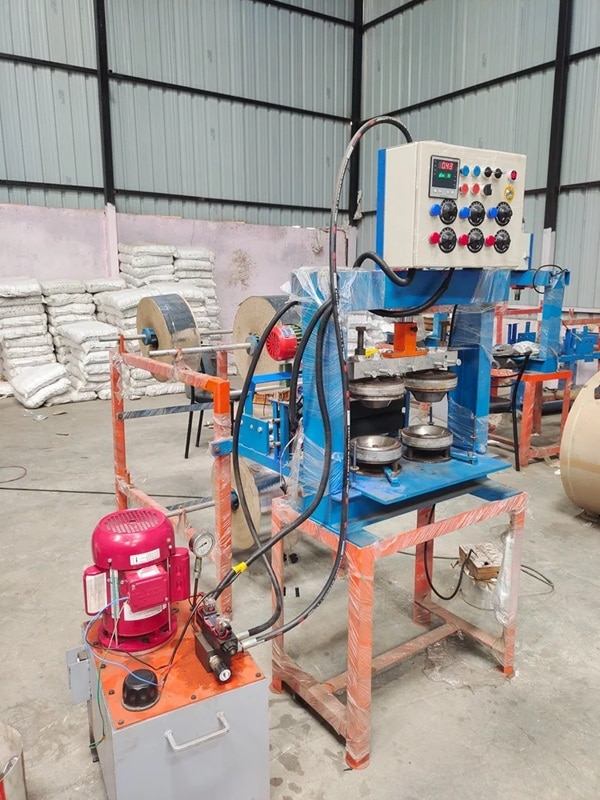 | Paper Plate Making Machine Automatic Hydraulic Double Die Paper Plate Making Machine ₹120000 The Automatic Hydraulic Double Die Paper Plate Making Machine is one of the most reliable and efficient solutions for manufacturers seeking faster... View product → |
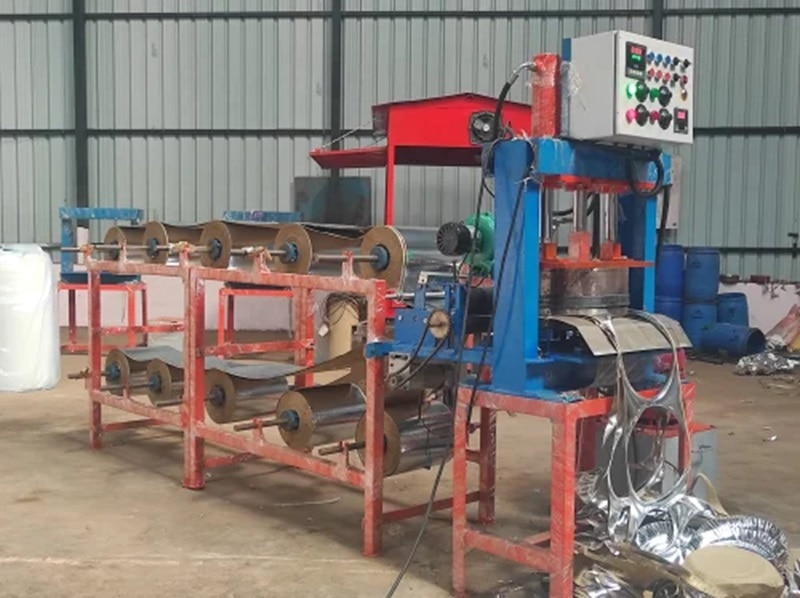 | Automatic Paper Plate Making Machine Fully Automatic All-in-One Paper Plate Machine ₹340000 The Fully Automatic All-in-One Paper Plate Machine is the ultimate choice for entrepreneurs and manufacturers who want a high-performance,... View product → |
Compare total downtime risk with the machine’s purchase price
Compare expected downtime cost, not just the machine’s purchase price. Calculate lost plate output, idle labour, wasted paper, delayed orders, technician travel and expedited freight for a realistic stoppage. Add those figures to the purchase price to estimate total cost of ownership.
| Factor | Automatic system | Semi-automatic system |
|---|---|---|
| Purchase price | Higher | Lower |
| Labour demand | Requires trained operators for controls and fault diagnosis | Needs more manual loading and supervision |
| Downtime exposure | One control or sensor failure can stop the whole line | Slower output but simpler faults may be easier to isolate |
| Best fit | Stable, high-volume demand with reliable utilities | Variable demand, limited automation skills or constrained capital |
Choose automatic versus semi-automatic after checking the site, not before. Confirm electrical phase and voltage, compressed-air pressure and flow, ventilation, floor loading, ambient temperature and operator access. Ask each manufacturer for installation limits and reject a model that depends on conditions your building cannot maintain.
Compare quoted lead times for critical spare parts, including drives, PLC modules, heaters, sensors, seals, solenoid valves, bearings and tooling. Require exact part numbers, recommended stock levels and local availability. A supplier should also provide preventive maintenance intervals for lubrication, die alignment, paper-dust cleaning, sensor tests and wear-part replacement.
For added plate sizes or rim designs, verify die interchangeability, manufacturing time and stored setup parameters. Choose the system whose support plan keeps your actual production demand running.
Frequently asked questions
What does after-sales support for a paper plate machine include?
It includes installation, commissioning, electrical and hydraulic testing, operator training, maintenance instructions, warranty handling, troubleshooting, spare-parts supply and technician response.
Which after-sales terms should you put in writing?
Record technician response times, warranty duration, covered components, exclusions, labour terms, travel charges, spare-parts responsibilities and service limits.
How can commissioning tests prove that a machine is ready?
Run production trials that check electrical and hydraulic systems, output quality, safety controls, operating speeds and the agreed acceptance criteria before sign-off.
What should you check before a paper plate machine needs repair?
Check spare-parts availability, control-system compatibility, preventive-maintenance guidance, technician location and the supplier’s process for handling urgent faults.
Related products
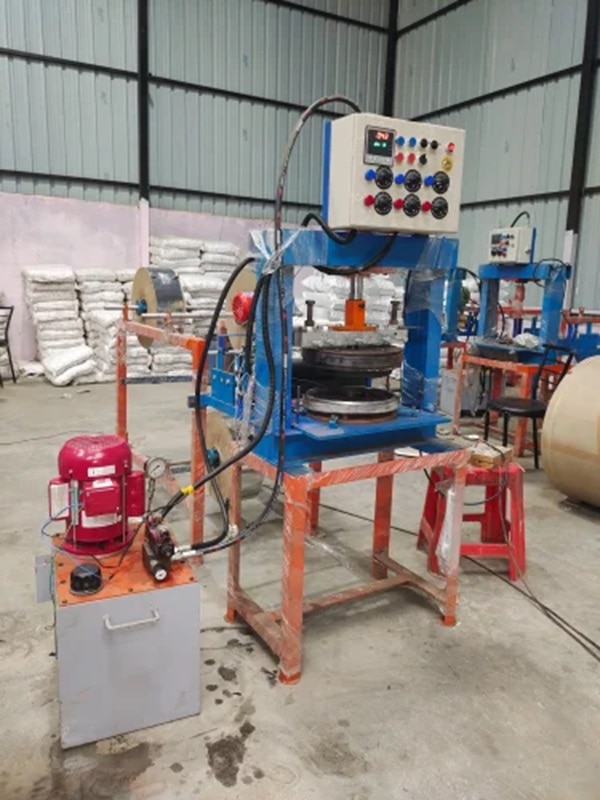 | Paper Plate Thali Making Machine Fully Automatic Paper Plate Thali Making Machine ₹340000 If you are planning to start or expand your disposable plate manufacturing business, a Fully Automatic Paper Plate Thali Making Machine is the best... View product → |
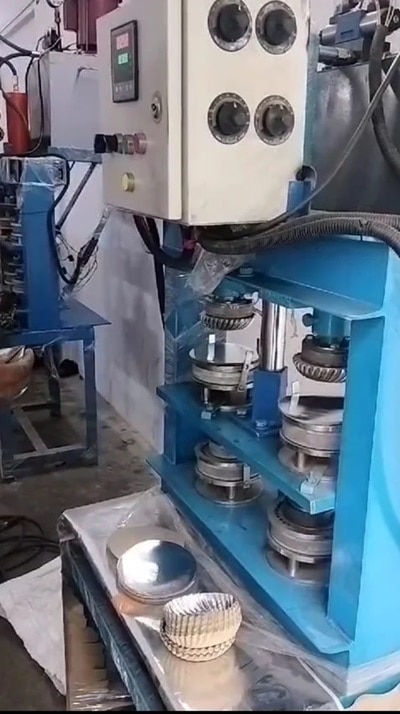 | Automatic Paper Plate Making Machine Semi Automatic Hydraulic 4 Die Wrinkle Paper Plate Machine ₹180000 The Semi Automatic Hydraulic 4 Die Wrinkle Paper Plate Machine is a powerful and efficient production solution designed for manufacturers who want to... View product → |
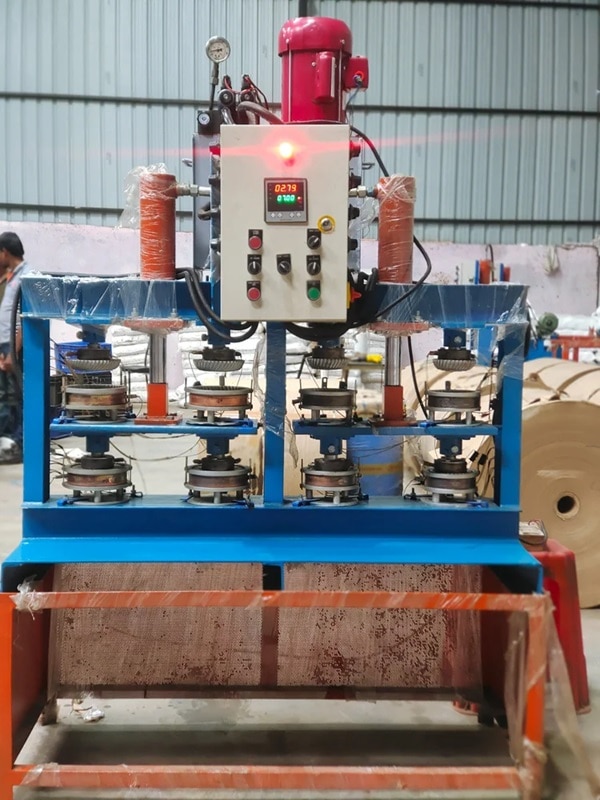 | Automatic Thali Making Machine Semi Automatic Hydraulic 8 Die Wrinkle Paper Plate Machine ₹290000 A Semi Automatic Hydraulic 8 Die Wrinkle Paper Plate Machine is a powerful and efficient manufacturing unit designed for high-volume production of... View product → |
Keywords