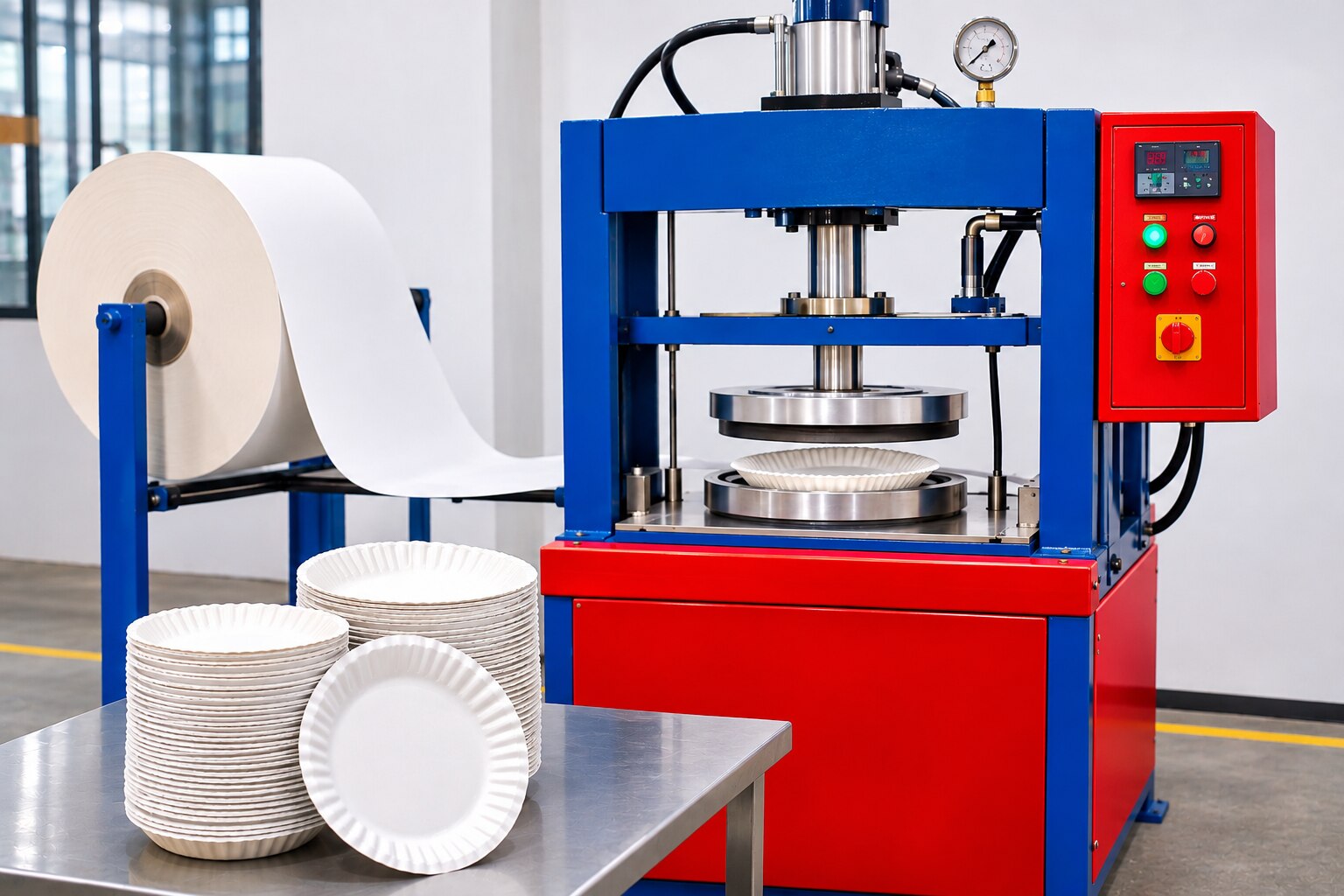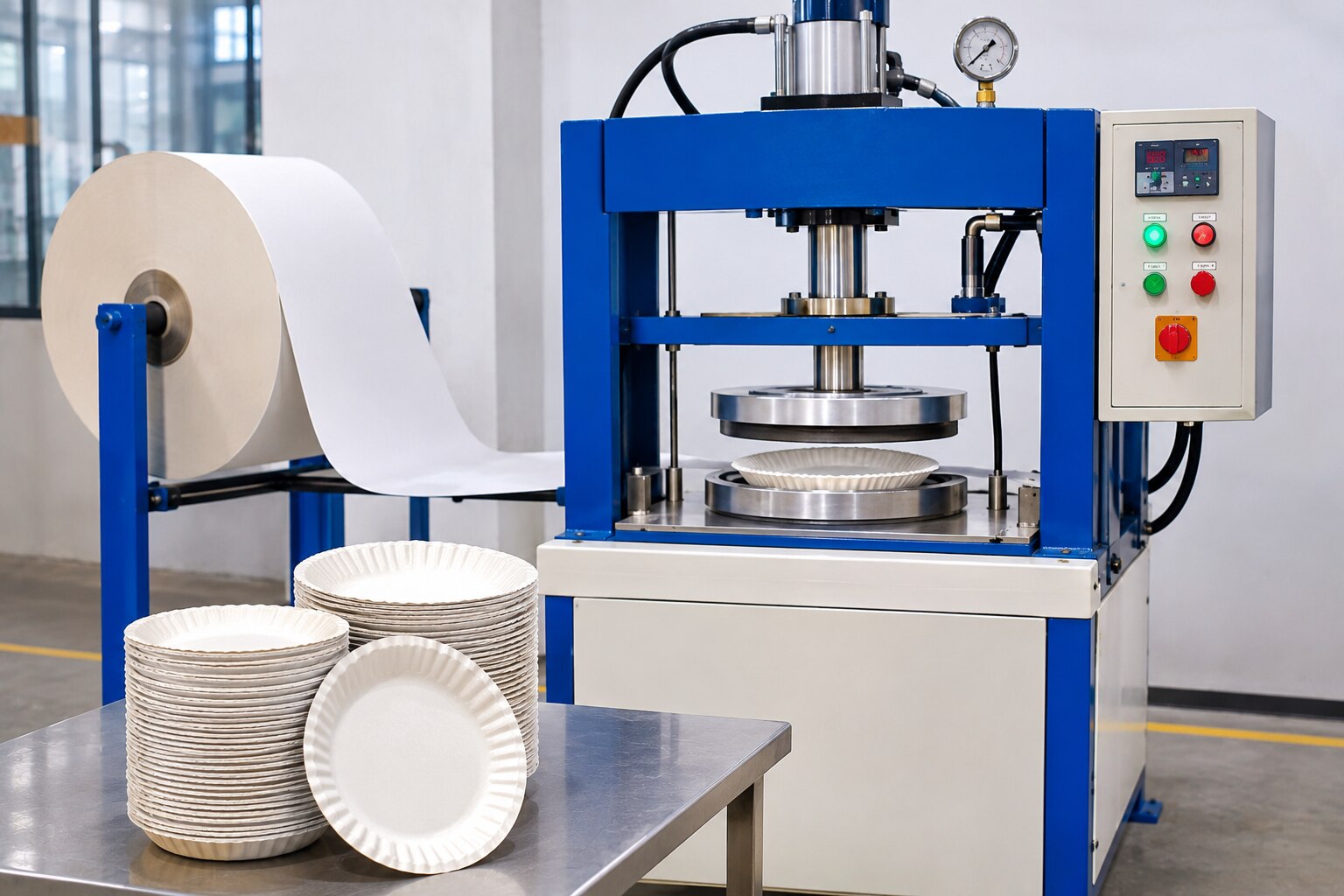
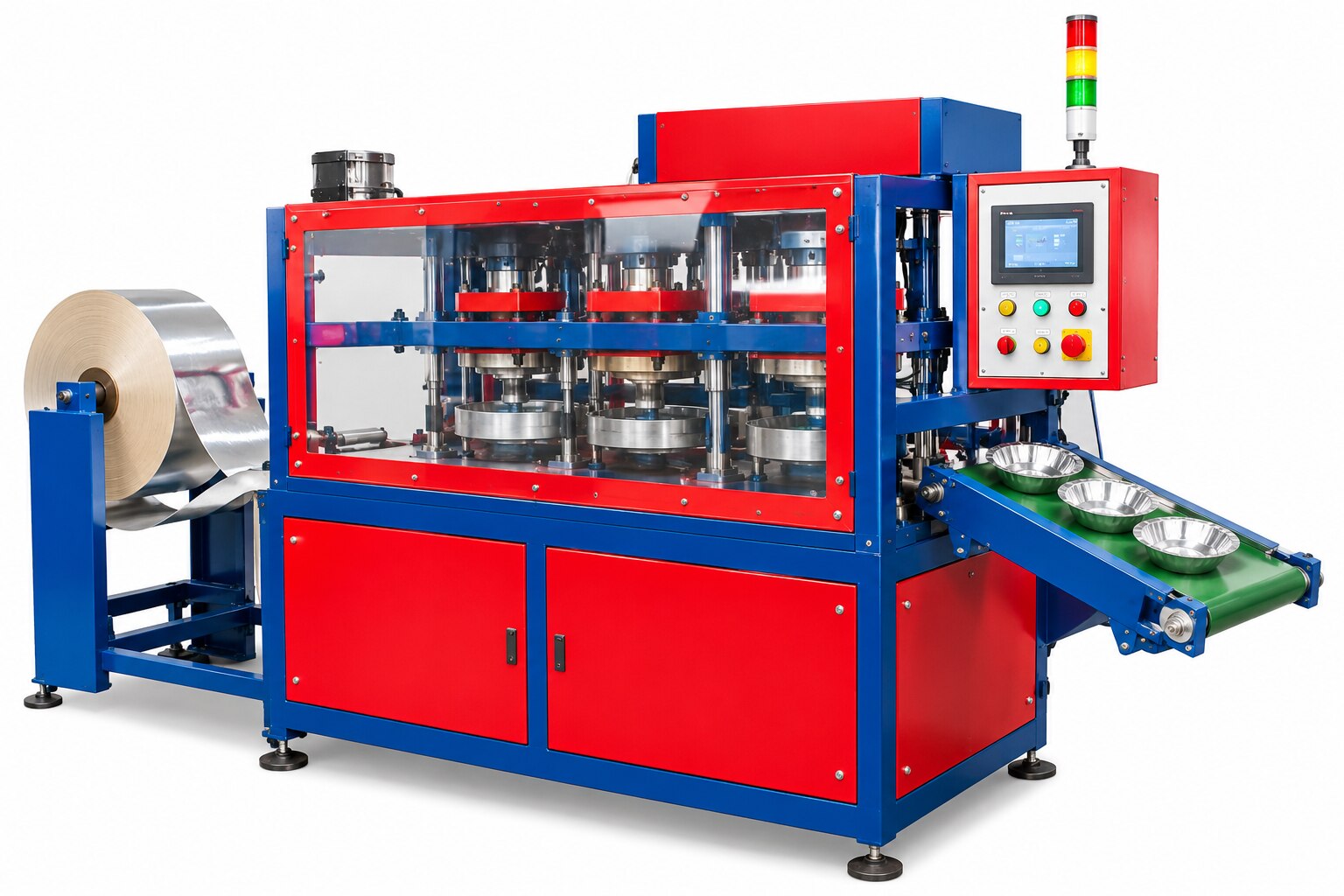
Manual dona production ties workers to repeated feeding, mould loading, pressing, removal and stacking, while stoppages and inconsistent handling reduce usable output. By tracing the machine cycle and counting every remaining task, you can compare labor-hours per thousand acceptable donas instead of judging automation by its label alone.
Key takeaways
- Automatic feeding, forming, and collection remove repeated handling per dona.
- One operator can monitor the cycle instead of moving every paper blank.
- Output consistency still depends on dies, paper quality, and machine settings.
- Verify speed, changeover time, safety systems, and fault recovery before buying.
Which manual actions disappear during each production cycle?
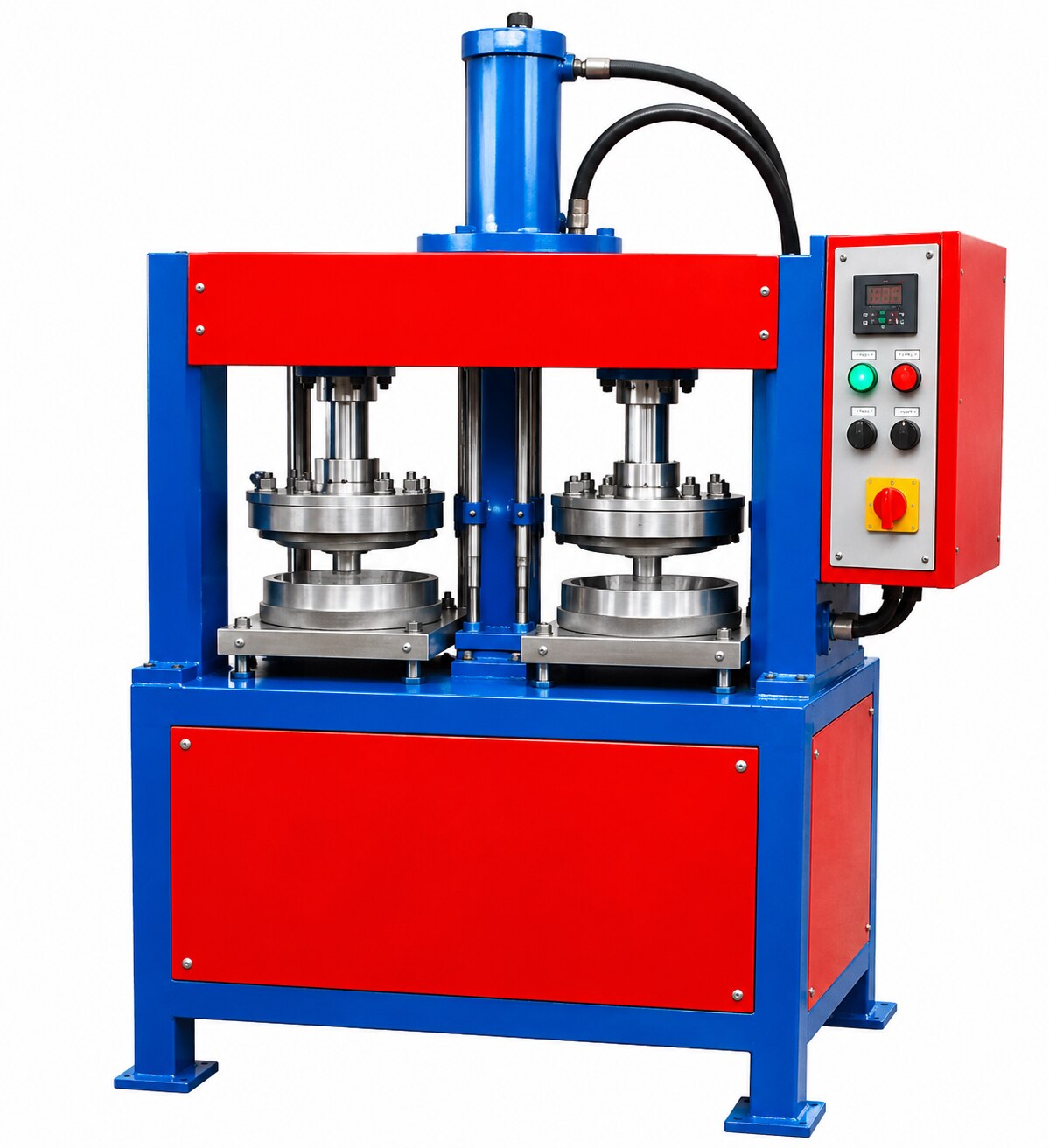
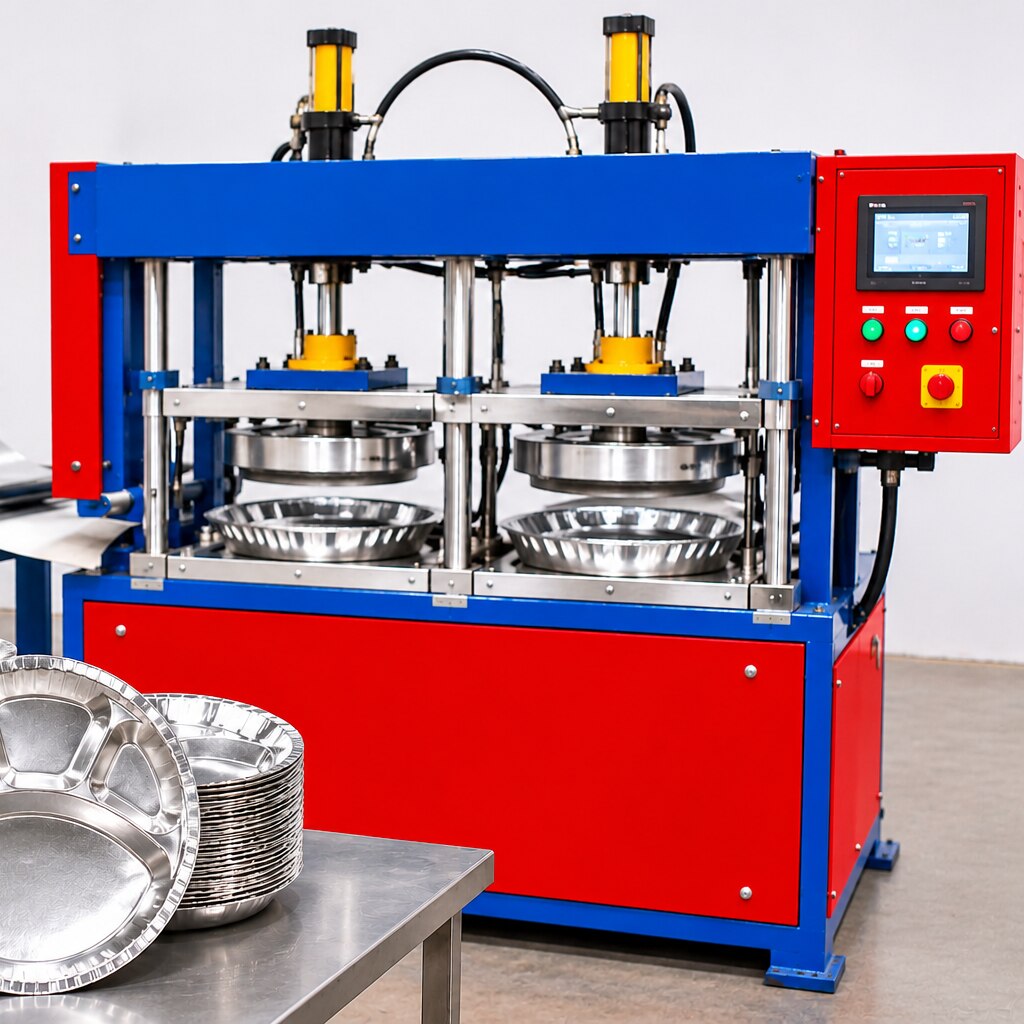
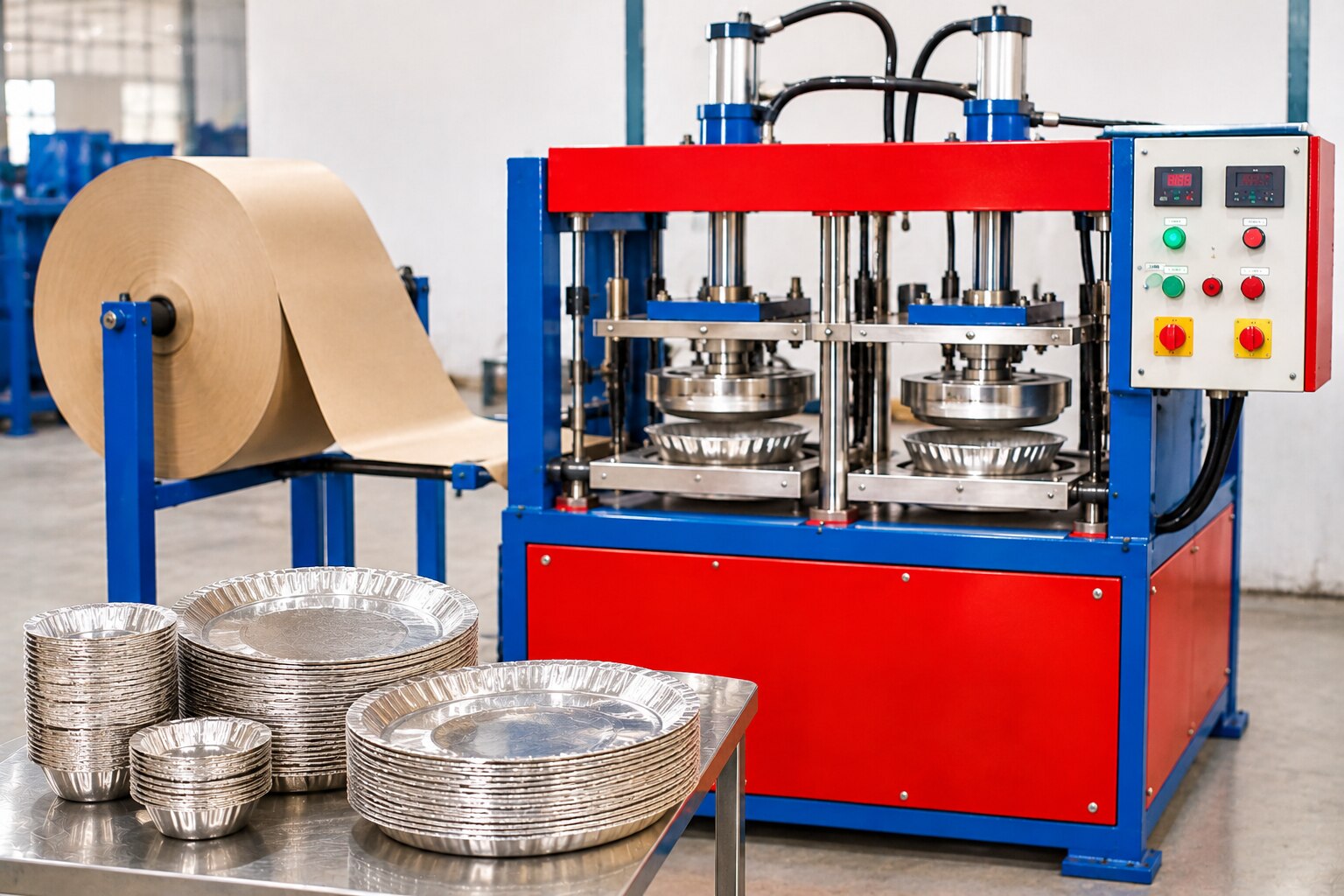
A production cycle begins with a paper blank entering the die and ends with a formed dona placed in the collection area. A fully automatic dona making machine links these actions, so the operator no longer repeats each movement for every piece.
| Stage | Manual cycle | Automated cycle |
|---|---|---|
| Paper supply | Place each blank on the feed point | Automatic paper feeding transfers blanks from the magazine or roll system |
| Mould loading | Position the blank in the mould by hand | The feeder aligns and delivers the blank to the die |
| Pressing and forming | Close the press and shape the blank manually | The press closes and completes pressing and forming at the programmed setting |
| Ejection | Pull the formed dona from the mould | An ejector releases the dona after forming |
| Collection | Pick up and stack each piece | A conveyor, chute or stacker collects finished pieces |
| Between cycles | Reset the press and handle the next blank | The control system starts the next cycle |
The removed work is repetitive blank placement, mould loading, press operation, removal and piece-by-piece stacking. The operator still prepares paper, loads blanks or rolls when the supply runs low, installs dies, checks dimensions and rim shape, packs products, and cleans and lubricates the machine.
Automation does not make stoppages disappear. A worker must clear double feeds, skewed blanks, paper tears, mould sticking and a full collection station using the machine’s guarded reset procedure. Verify that “automatic” includes both blank feeding and finished-dona stacking; some presses automate forming but leave those two tasks manual.
How does automation change operator requirements per shift?
A shift no longer revolves around continuous hand operation. Instead of placing each blank, removing each formed dona and repeating that cycle, the operator replenishes paper, monitors the cycle, checks quality and manages finished-product flow.
| Production arrangement | Main operator work per shift | Where labor remains |
|---|---|---|
| Manual forming | Continuous blank placement, pressing, removal and operator handling between cycles | Forming, inspection, counting and stacking |
| Automatic forming with pre-cut blanks | Replenishing blank magazines, monitoring sensors, clearing misfeeds and checking output | Blank preparation, packing and maintenance |
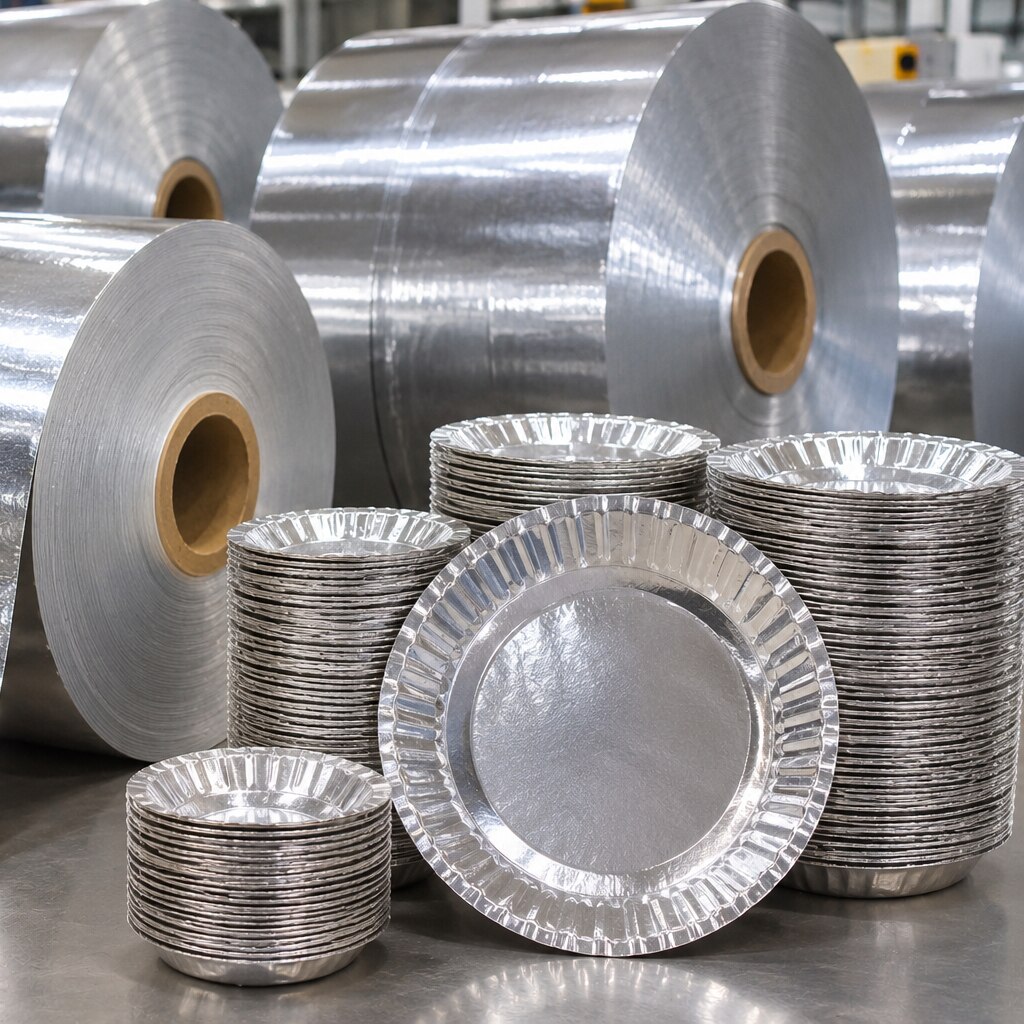
| Roll-fed automatic forming | Loading rolls, checking web alignment and tension, removing waste and monitoring the cutter | Roll changes, quality inspection and packing |
| Automatic ejection and stacking | Watching ejection timing, verifying counts and removing completed stacks | Repacking tipped or mixed stacks |
Compare systems using labor-hours per thousand acceptable donas, not the number of people standing at the press. Include blank loading, die changes, jam clearing, inspection, packing and cleaning; otherwise manual downstream work hides the real requirement.
Automatic ejection reduces repetitive collection, but it does not remove judgment. Static, poor nesting or rim deformation can leave uneven stacks, so the operator still checks dimensions, rim shape, wrinkles and counts before packing. Replenishment timing also controls output: an empty magazine or roll stop creates idle press time.
One trained operator may supervise the cycle, but add help for packing, changeovers or maintenance when those tasks overlap. Clean the forming area, lubricate specified points and test interlocks and emergency stops during the shift.
Why do usable output and product consistency improve unevenly?
Nominal strokes per minute is a cycle-speed figure, not a sales figure. A press rated at 60 strokes per minute might appear to deliver 3,600 pieces per hour with a single cavity, but usable pieces per hour falls after stoppages and rejects.
The gap widens when:
- Multi-cavity tooling produces several donas per stroke, reducing labor per piece but increasing tooling cost and alignment complexity. One misfeed or defect can affect every cavity in that cycle.
- Forming dwell, blank-loading interruptions, jams and die changes reduce running time below the rated speed.
- A new diameter, depth, rim profile or cavity count requires a product-specific die and machine adjustment. Compare changeover time and tooling cost before comparing hourly rates.
- Repeatable pressure and stroke position improve rim formation and dimensional accuracy, while poor paper quality still causes wrinkles, curled blanks and repeated misfeeds.
- Automatic ejection and stacking reduce hand collection but cannot prevent tipped stacks, mixed counts or poor nesting caused by ejection timing, rim deformation or static.
Consistency therefore improves unevenly. The machine can reduce variation in rim shape, dimensions and nesting, but it also exposes raw-material variation faster than a person correcting each piece by hand.
Track the rejection rate by paper batch and die, then inspect stacks for shape and count before packing; saleable output, not the machine’s speed plate, is the meaningful result.
What setup and fault-response work remains outside the automatic cycle?
An automatic cycle will not correct a bad setup. The operator must establish a repeatable feed, forming gap and release condition before production; otherwise every cycle repeats the same defect and a multi-cavity die spreads it across several donas.
- Complete die installation and mould alignment before loading paper; a skewed die produces uneven rims and scrap.
- Set pressure and temperature settings against the paper coating and forming result; excessive heat can distort a rim or discolor it.
- Choose paper using paper grammage and moisture readings, then check coating and blank diameter. Sheets that are soft, curled, slippery or electrostatically charged can misfeed or double-feed.
- Lubricate specified points with approved lubricant, keeping oil off paper and sensors. Run trial pieces and inspect seating, rim shape and ejection.
- For a misfeed or double feed, stop feeding, isolate motion, remove the blank without reaching through an unguarded area, then follow the reset procedure.
- For an obstruction, paper tear or product stuck in the die, stop, isolate energy as instructed and clear it only after movement has ceased.
- After power loss, inspect die position and restart using the documented sequence.
- For a sensor fault, check for a blocked lens, shifted target or loose connection; never bypass the interlock.
Keep blank supply available and empty the collection station before it fills. Verify that the machine provides guarded access and a documented reset procedure.
What should you verify before choosing an automatic dona line?
Verify what is automated, not just the word “automatic.” Confirm that the line feeds material, forms the dona, ejects it and stacks finished pieces without hand placement between cycles.
| Feed option | Labour and control points | Check before purchase |
|---|---|---|
| Pre-cut blanks | Requires blank stacking and feeding; supports faster design and size changes | Ask about blank diameter, curl, grammage and double-feed detection |
| Roll-fed stock | Reduces blank handling but adds web alignment, tension, cutting and trim-waste control | Confirm unwind capacity, cutting accuracy and waste removal |
Use this buying checklist:
- Specify whether forming uses pneumatic or hydraulic pressure, and request the pressure range, cycle control and forming-force data.
- Watch a complete ejection and stacking cycle. Poor release, tilted stacks or rim contact can turn a stated stroke rate into manual sorting.
- Time a changeover between two dona diameters and rim profiles. Include die removal, alignment, trial pieces and quality approval.
- Price each die and confirm whether diameter, depth, rim shape and cavity count require separate tooling.
- Inspect guards, interlocked die access, emergency stops and restart protection. Ask for the risk assessment basis under ISO 12100 and electrical documentation against IEC 60204-1 or the applicable Indian equivalent.
- Request supplier declarations, migration-test reports and batch traceability for paper, coating, ink, adhesive and recycled fibre used in food-contact donas.
- Ask Shivansh Engineering who installs tooling, trains operators, supplies wear parts and responds to sensor or feeder faults, and obtain those response times in writing.
Related product
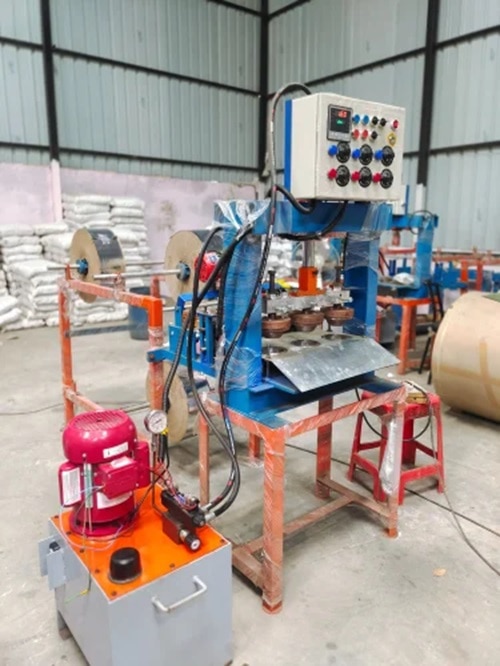 | Paper Dona Making Machine Fully Automatic Dona Making Machine ₹120000 A Fully Automatic Dona Making Machine is the most advanced and efficient solution for large-scale production of high-quality paper donas (bowls). View product → |
Frequently asked questions
Which manual actions disappear during each production cycle?
Automatic systems can feed paper blanks, position them in the die, press-form the dona, release it, and transfer it to collection. The operator no longer repeats each movement for every piece.
How does automation change operator requirements per shift?
The operator shifts from handling every dona to loading materials, monitoring the machine, checking quality, clearing approved faults, and recording production. Staffing still depends on line speed, material handling, and the number of machines.
Why do usable output and product consistency improve unevenly?
Automation reduces handling variation, but usable output still depends on paper blank size, moisture, die condition, alignment, pressure, temperature, and timely fault response. A faster cycle does not guarantee fewer rejects.
What setup and fault-response work remains outside the automatic cycle?
You still need to install the die, set alignment and forming parameters, load paper, inspect the first pieces, remove jams, replace worn parts, and restart the line safely after faults.
What should you verify before choosing an automatic dona line?
Verify rated output with your paper specification, acceptable dona sizes, changeover time, power requirements, operator controls, safety guarding, fault indications, spare parts, service support, and the process for clearing jams.
Keywords