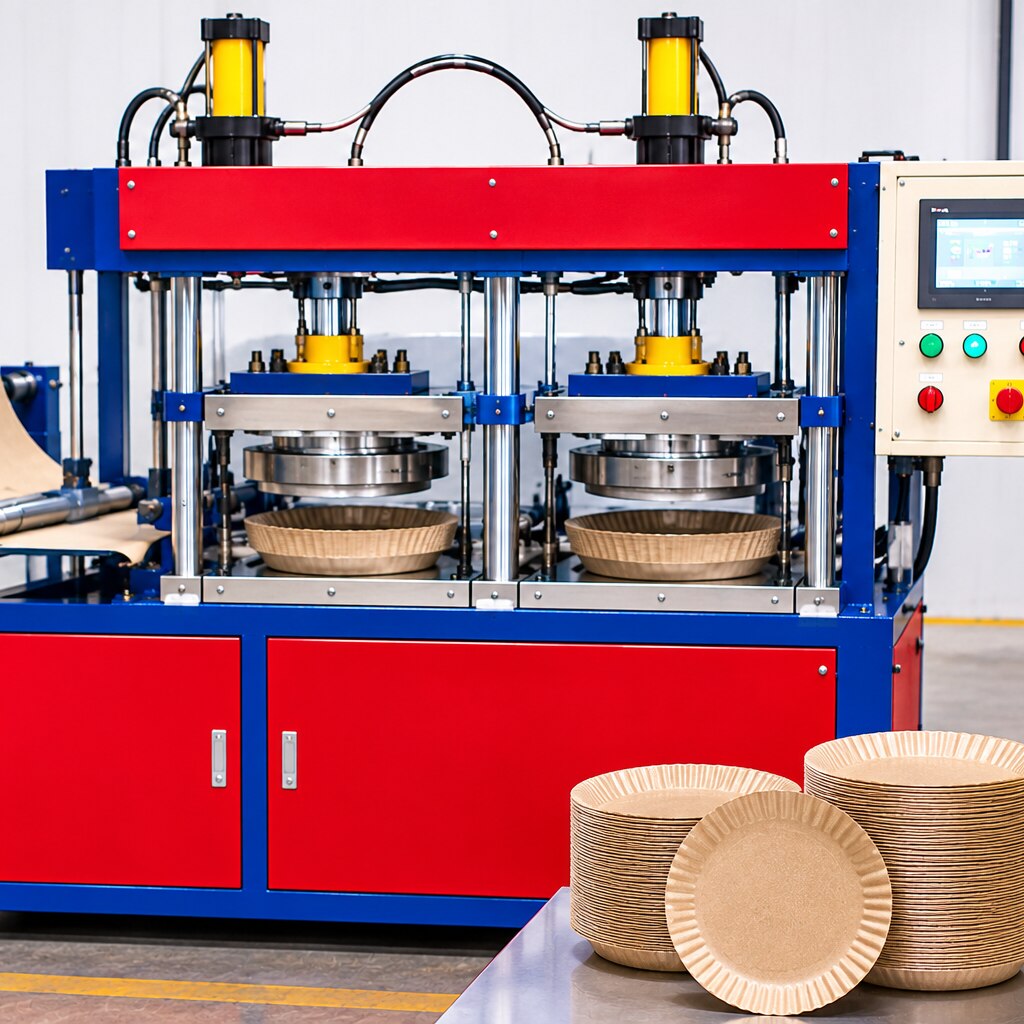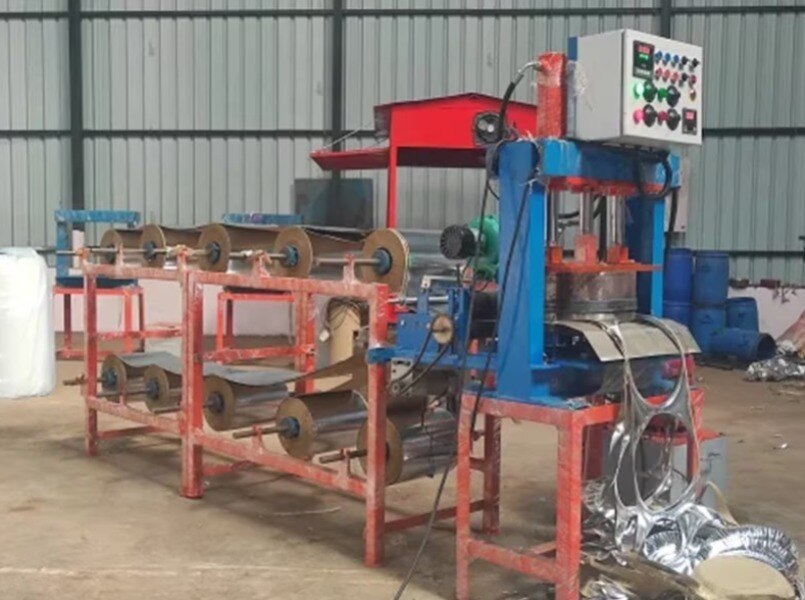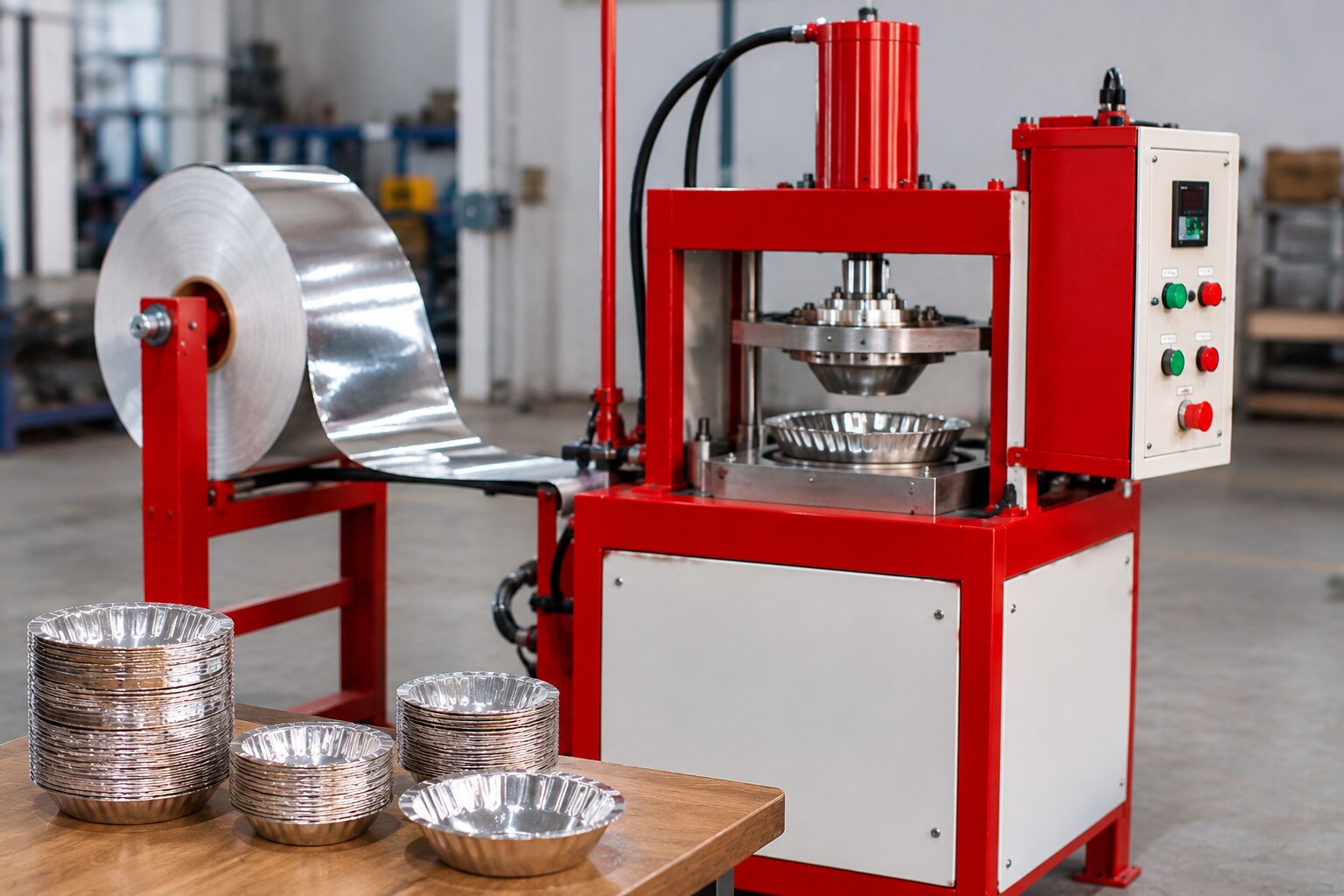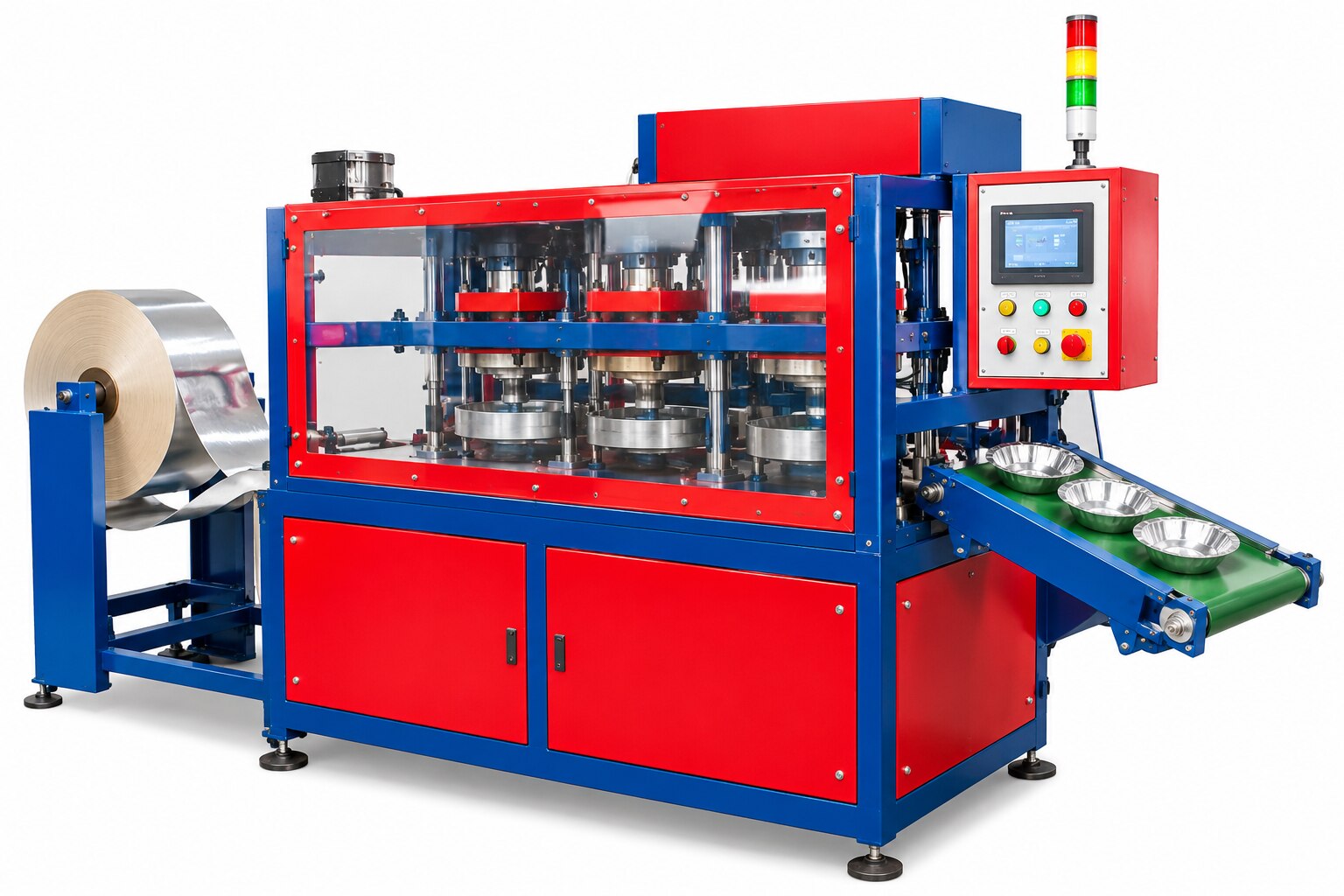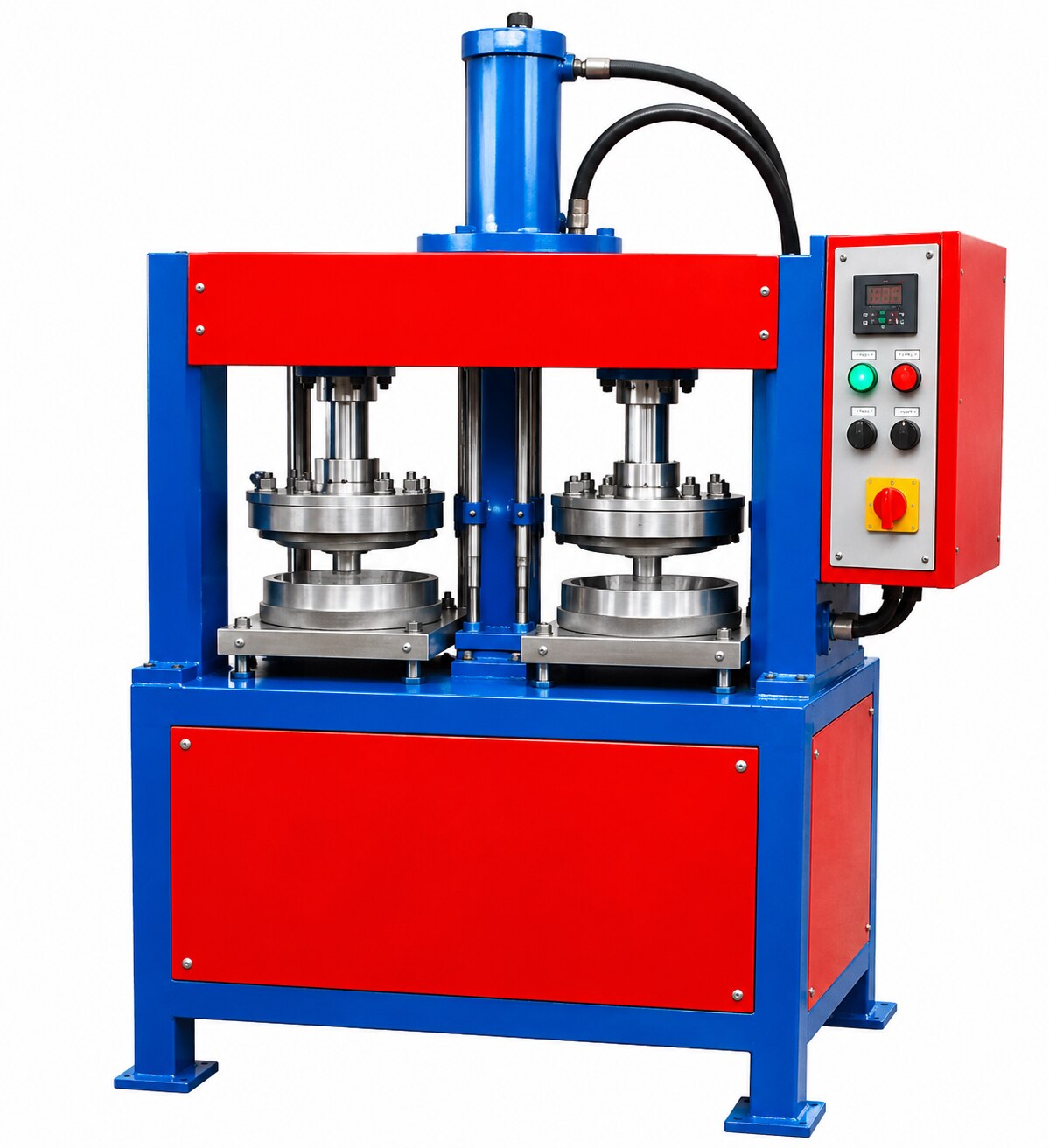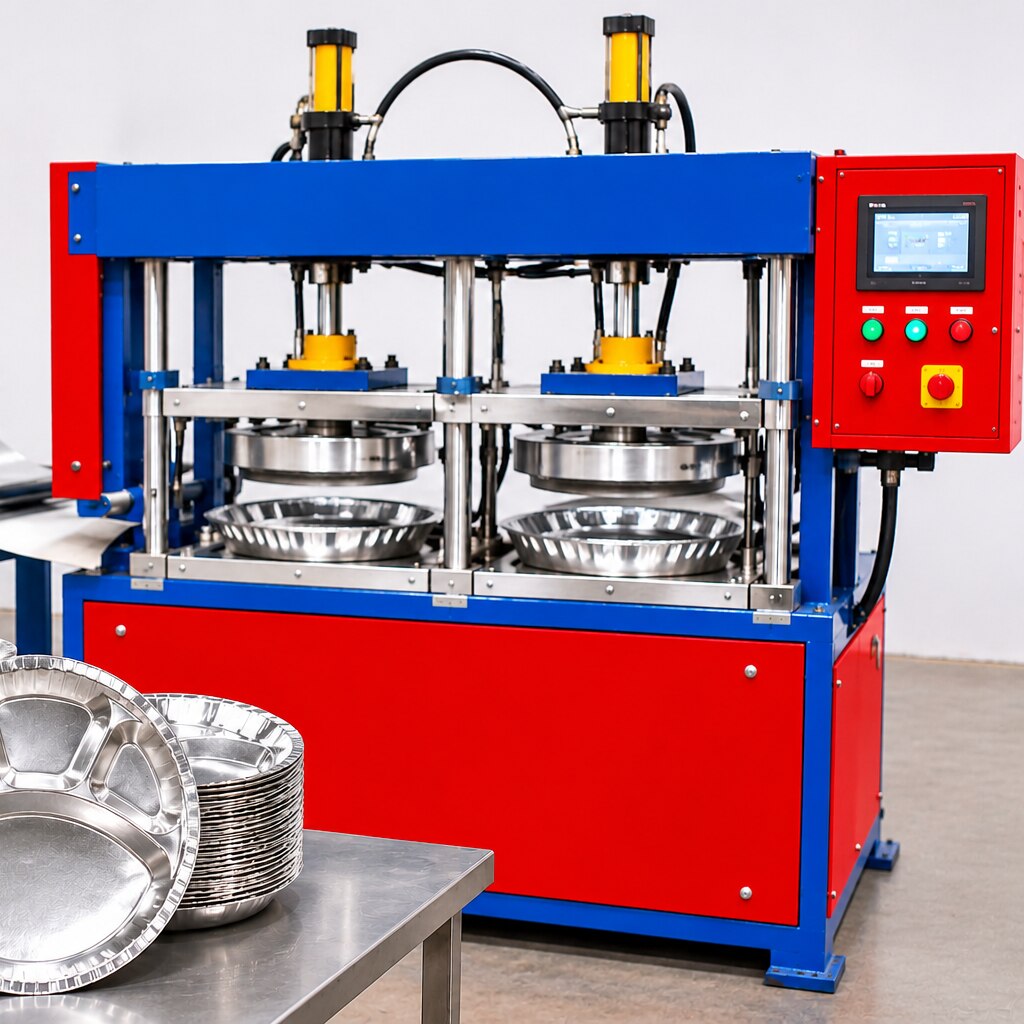
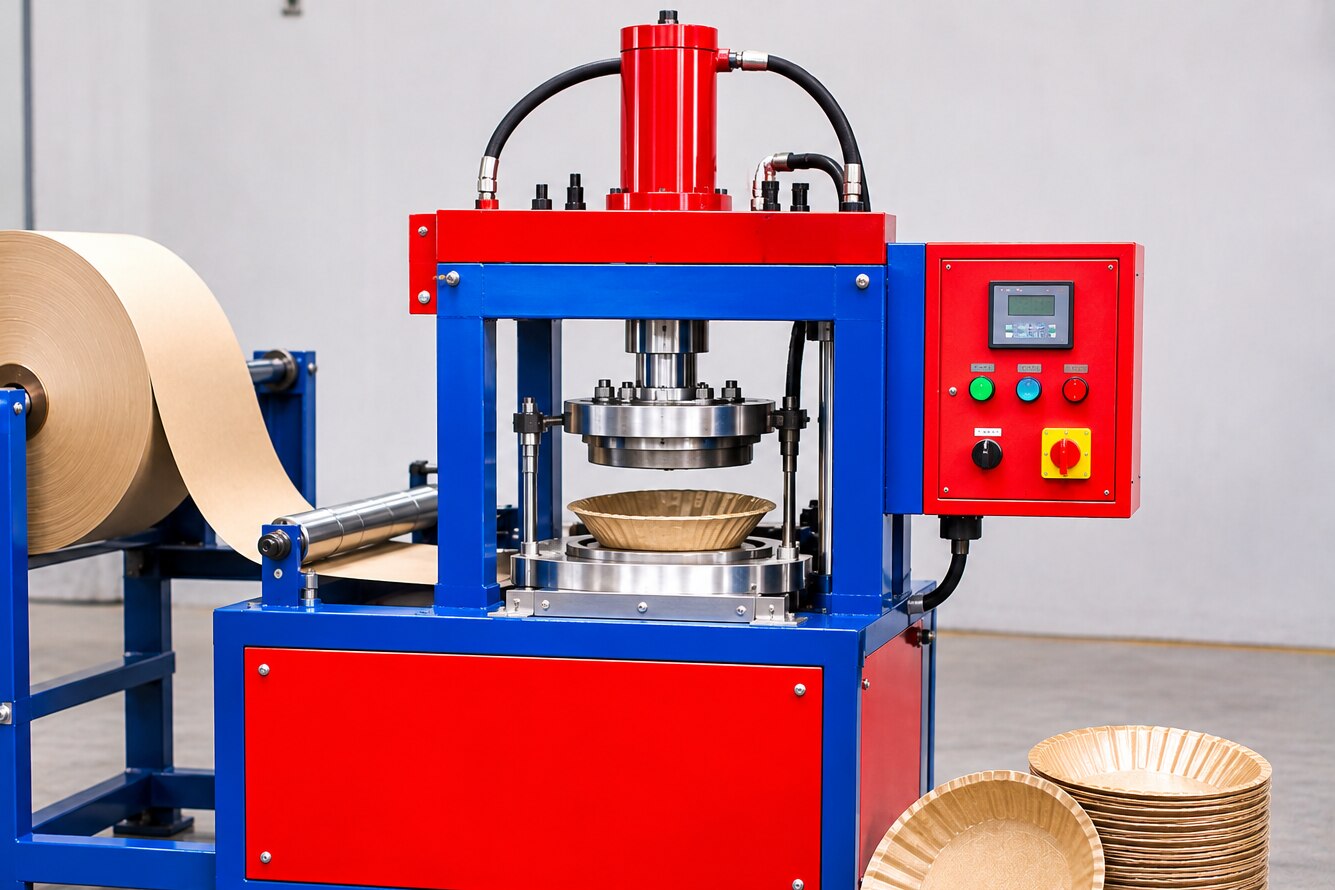
Paper dust, contaminated hydraulic oil, misaligned dies and unnoticed leaks turn small maintenance issues into slow cycles, poor forming and expensive failures. By following a defined inspection, cleaning and record-keeping routine, you can protect the press, identify faults before breakdowns and set service intervals around actual operating conditions.
Key takeaways
- Use a vacuum or low-pressure cleaning; keep compressed air away from sensors and rod wipers.
- Record hydraulic oil condition, filter changes and pressure trends before they become failures.
- Inspect leaks, cylinder rods, pump noise, dies, platens and guides at planned intervals.
- Match maintenance tasks to cycle counts and hand the records to your machine supplier.
Start Every Shift With Safe Cleaning and a Basic Condition Check
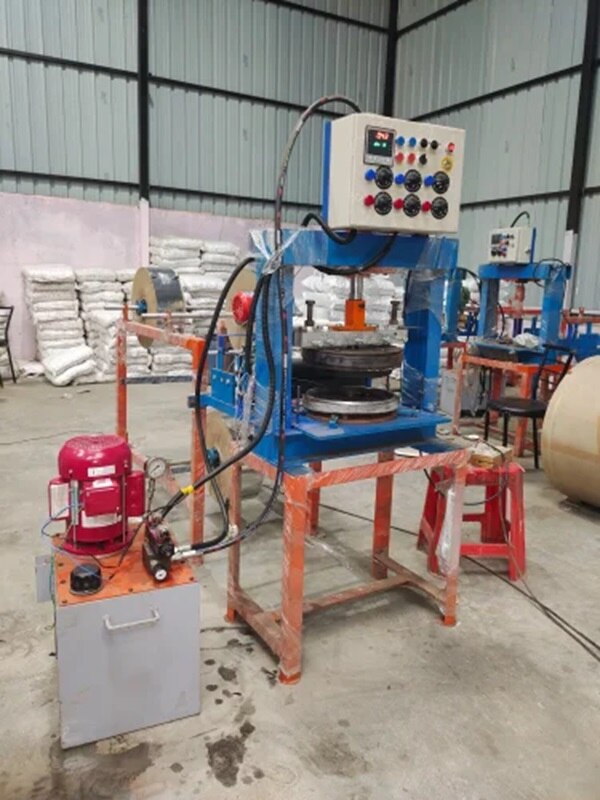
Before starting the hydraulic paper dona machine, isolate power and let heated parts cool. Paper dust removal is safer with a vacuum or controlled low-pressure cleaning; high-pressure air can drive fibers into sensors, solenoids, bearings and rod wipers.
- Remove paper scraps, adhesive residue and dust from the die area, platen faces and exposed guides. Do not scrape coated forming surfaces. Clean heated dies only after lockout and cooling, using a non-abrasive method.
- Inspect the die, platen, guides and cylinder rods for damage, rust pits, scoring, dried pulp or oil wetness. Check rod wipers and wipe exposed surfaces clean.
- Check the reservoir level against the sight glass or dipstick. Identify the hydraulic oil grade from the machine manual or nameplate; never mix fluids with different specifications. Replace oil at the stated interval, or sooner after contamination, overheating or a failed oil analysis.
- Examine hoses, fittings, seals and the pump area for leaks. Read the pressure gauge, then watch for pressure loss, unusual pump noise, slow cylinder movement or rising oil temperature.
- Locate the suction or return filter and confirm its replacement date or cycle count. A clogged filter can cause pump noise, sluggish movement and overheating.
- Check that machine guards are fitted and secure, then test the emergency stop before production.
Record these findings on the daily maintenance checklist, including the die, pressure reading, oil level and defect pattern. Shorten inspection intervals for dusty stock, long shifts, high temperatures, frequent die changes or repeated overloads.
Control Hydraulic Oil Quality, Filtration and Pressure Trends
Use the hydraulic oil grade specified on the machine nameplate or in its manual. If it calls for ISO VG 46, use ISO VG 46 rather than choosing by brand or colour, and never mix fluids with different additive systems.
Incorrect viscosity increases heat and leakage; oil contamination abrades pump wear plates, valve spools and cylinder seals, while fine particles can make valves stick without an external leak.
Match the filter rating and cleanliness target to the installed pump and valves. Replace a disposable suction or return element when its clogging indicator reaches the limit; washing and reinstalling it sends trapped particles back into the circuit. A restricted filter can produce pump noise, sluggish ram movement and rising oil temperature.
Isolate electrical power, shut off hydraulic supply, support the ram mechanically and bleed pressure to zero before opening the filter housing. Do not use the gauge alone to prove depressurisation.
Log these readings by shift or production batch, using the same die, paper stock and heating conditions:
- Forming-stage pressure
- Cycle time
- Reservoir temperature
- Reject rate
A gradual rise in cycle time, pump noise, temperature or pressure instability often precedes pump or valve failure. For laboratory oil analysis, take a sample from a live pressure or return sampling point after circulation at operating temperature, not from tank sludge or a drain container.
Set oil-change and filter intervals by press cycles and severity; dusty stock, high heat, long shifts and overloads demand shorter intervals.
Find Leaks, Cylinder Wear and Pump Problems Before Failure
A gradual rise in cycle time, pump noise, oil temperature or pressure instability signals deterioration before a complete stop. Log forming pressure, cycle time and reservoir temperature under the same paper stock, die and heater settings; otherwise a tooling change can look like hydraulic pressure loss.
1. Isolate electrical power and hydraulic supply before touching components. Lock out the control cabinet, mechanically support the ram and bleed the circuit to zero. Do not trust the pressure gauge alone; trapped energy can remain in a hose, manifold, cylinder or accumulator.
2. Perform a hydraulic hose inspection for abrasion, blisters, cracked covers, wet fittings and damaged clamps. Trace fresh oil to its source, then check the pump shaft seal, manifold and directional valve. A loose fitting needs correction, not repeated tightening against a damaged seat.
3. Compare motor noise, heat, vibration and overload trips with previous records. A whining pump with foamy oil, unstable pressure or slow movement indicates pump cavitation; check the oil level, suction strainer, inlet hose and blocked breather before condemning the pump. Never raise the relief-valve setting to disguise pressure loss.
4. Inspect the cylinder rod for scoring, rust pits, dried paper pulp and oil wetness, including the rod wiper. Internal bypass appears as ram drift or slow forming with normal external appearance. Replace the cylinder seal kit only after correcting platen misalignment or worn guides, because side loading will damage the new seal.
Uneven edges, one-sided wrinkles and incomplete forming can come from a cocked die rather than weak hydraulics. Check guide wear, die bolts, spacer height and platen parallelism before increasing pressure and overstressing the frame, hoses and tooling.
Protect Dies, Platens, Guides and Heating Components
Uneven edge height, one-sided wrinkles and incomplete forming often indicate die alignment or platen parallelism problems, not low hydraulic pressure. Check the upper and lower tooling relationship, platen guides, die mounting bolts and spacer height; a cocked die creates side loading that wears guides, cylinder-rod seals and the frame.
- Verify die alignment with the specified reference marks or gauge before tightening mounting bolts. A die that shifts during tightening needs clean seating faces and the correct spacers, not higher relief pressure.
- Confirm platen parallelism through the full stroke. Stop if one corner contacts first; forcing the cycle can damage guides and distort the dona.
- Lubricate only the identified mechanical lubrication points, using the specified grease and quantity. Excess grease attracts paper dust, reaches heated surfaces and hides guide wear. Hydraulic oil is not a substitute for guide grease.
- Inspect cylinder rods and rod wipers for scoring, rust pits, dried pulp and oil wetness. Side loading can destroy a rod seal while pressure still appears normal.
Keep paper dust, oil residue and adhesive off die and platen faces. Lock out the machine, allow heated parts to cool, then use a non-scratching cleaning method that will not remove the die coating; deposits alter the die gap, cause hot spots and stick to paper.
Check the die temperature sensor, wiring and displayed reading against the machine’s specified range. A faulty reading can cause localized scorching or incomplete forming, while raising temperature to compensate accelerates coating and heater damage.
Build a Cycle-Based Maintenance Record and Supplier Handover
Set each service trigger against machine cycles, calendar time and operating severity, not calendar time alone. Use the manufacturer’s preventive maintenance schedule as the baseline, then shorten intervals for high-temperature work, dusty paper stock, long shifts, frequent die changes or repeated overloads. Record the cycle counter at every inspection.
Every entry in the maintenance record should identify the conditions and work performed:
- Date, operator, machine cycles, die identification and paper basis weight
- Forming-stage pressure, cycle time, reject rate and shift or batch
- Reservoir temperature in a hydraulic temperature log, plus pump noise or pressure instability
- Filter replacement, oil grade, oil sample date and laboratory result
- Seal, hose, guide or cylinder work, including replaced part numbers and photographs
Compare readings only with the same die, paper stock and temperature conditions. A gradual increase in cycle time, oil temperature or rejects can reveal deterioration before a breakdown, while a tooling change can otherwise look like a hydraulic fault.
Take an oil sample after circulation reaches operating temperature, using a live pressure or return sampling point. Do not sample from the tank bottom or a drain container. At handover, give the supplier the machine serial number, cycle history, trend records, alarm details and previous repairs; ask for written service intervals and parts specifications.
If Shivansh Engineering supplied the press, this record gives its technicians evidence for deciding whether adjustment, component replacement or larger equipment changes are justified.
Related products
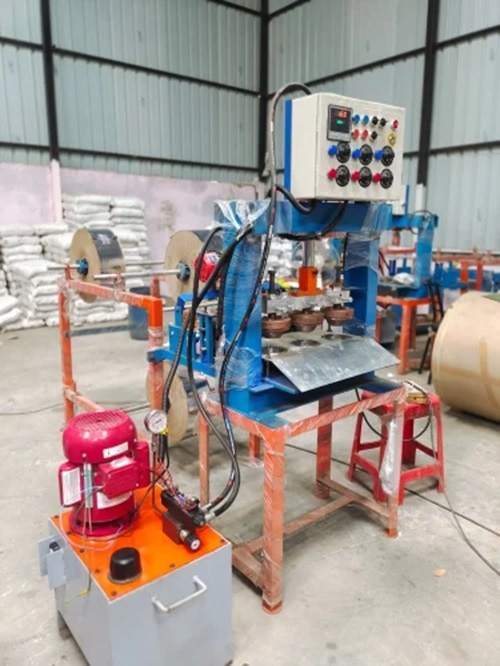 | Paper Dona Making Machine Paper Triple Die Dona Making Machine ₹325000 A Paper Dona Making Machine is an essential manufacturing solution for producing high-quality paper donas (bowls) used widely in food service,... View product → |
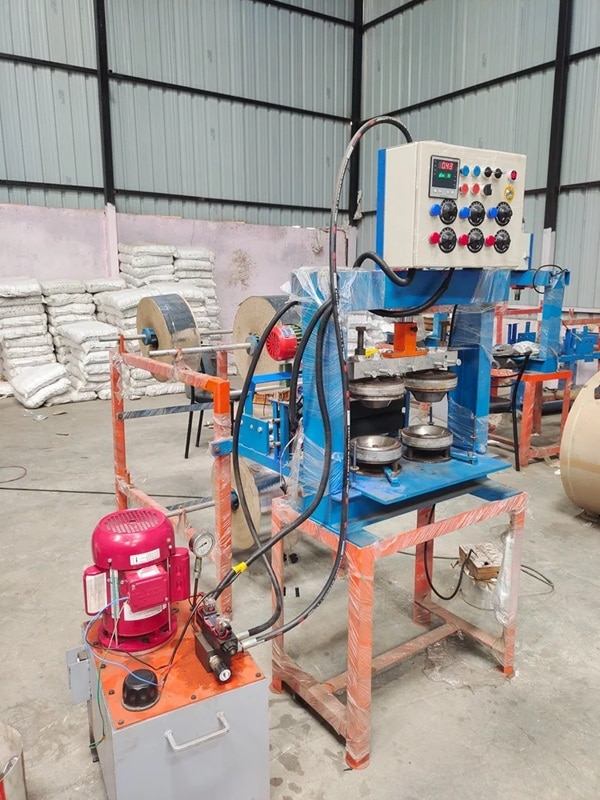 | Paper Plate Making Machine Automatic Hydraulic Double Die Paper Plate Making Machine ₹120000 The Automatic Hydraulic Double Die Paper Plate Making Machine is one of the most reliable and efficient solutions for manufacturers seeking faster... View product → |
Frequently asked questions
How should you clean a hydraulic paper dona machine before a shift?
Isolate power, let heated parts cool, then remove paper dust with a vacuum or controlled low-pressure cleaning. Avoid high-pressure air around sensors, solenoids, bearings and rod wipers.
What hydraulic maintenance checks help prevent machine failure?
Check hydraulic oil quality, filter condition and pressure trends. Record readings and investigate changes instead of waiting for slow operation, overheating or unstable forming pressure.
Which parts need inspection for leaks and wear?
Inspect hoses, fittings, seals, cylinder rods, pumps and connections for oil leaks, scoring, unusual noise, vibration or pressure loss.
How can cycle-based records improve maintenance?
Record inspections, oil and filter changes, repairs and cycle counts. Use the record to schedule work and give the supplier a clear service history.
Related products
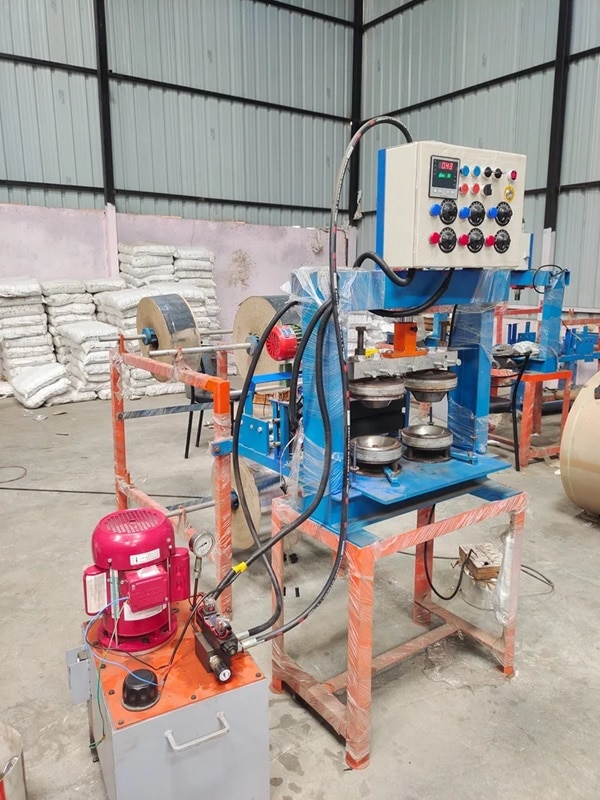 | Paper Dona Making Machine Semi Automatic Dona Making Machine ₹220000 A Semi Automatic Dona Making Machine is a perfect choice for small and medium-scale manufacturers looking for a balance of affordability, efficiency,... View product → |
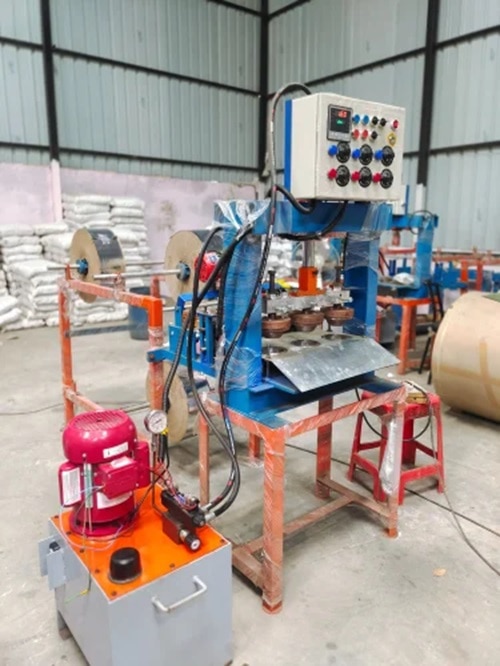 | Paper Dona Making Machine Fully Automatic Dona Making Machine ₹120000 A Fully Automatic Dona Making Machine is the most advanced and efficient solution for large-scale production of high-quality paper donas (bowls). View product → |
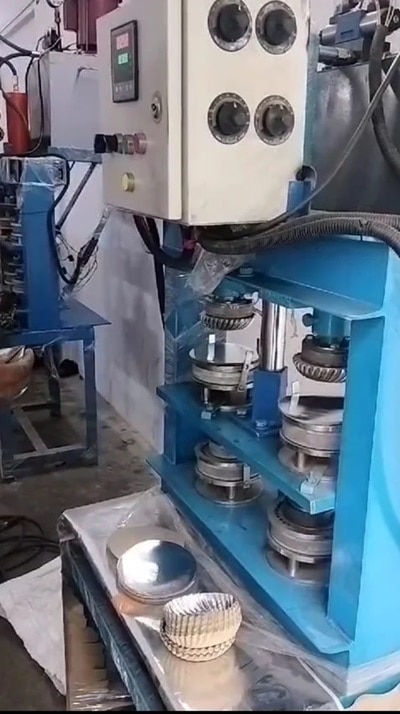 | Automatic Paper Plate Making Machine Semi Automatic Hydraulic 4 Die Wrinkle Paper Plate Machine ₹180000 The Semi Automatic Hydraulic 4 Die Wrinkle Paper Plate Machine is a powerful and efficient production solution designed for manufacturers who want to... View product → |
 | Paper Plate Thali Making Machine Hydraulic Paper Thali Making Machine ₹110000 SHIVANSH ENGINEERING is engaged in offering a wide range of Hydraulic Paper Plate Making Machine to our clients. View product → |
Keywords