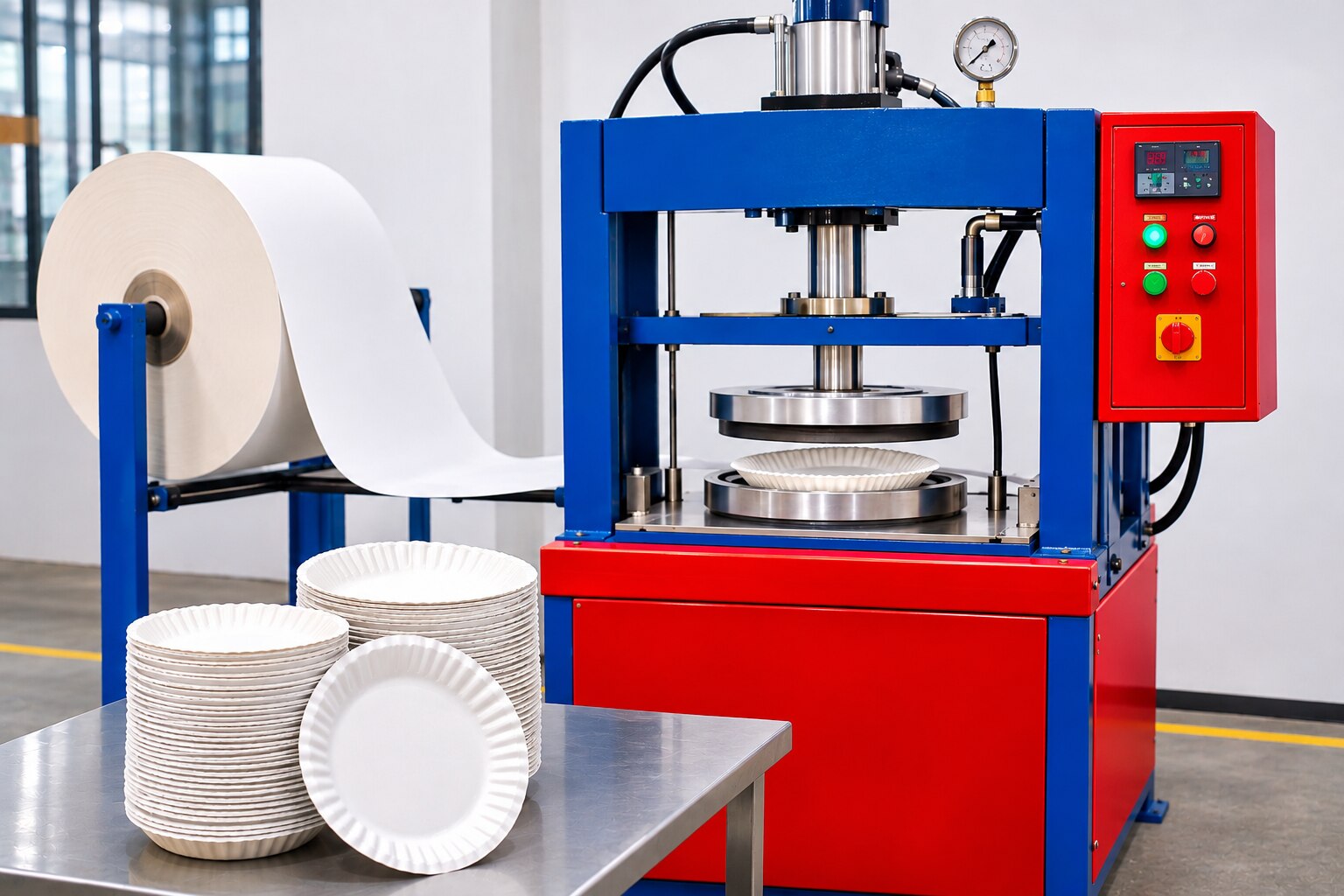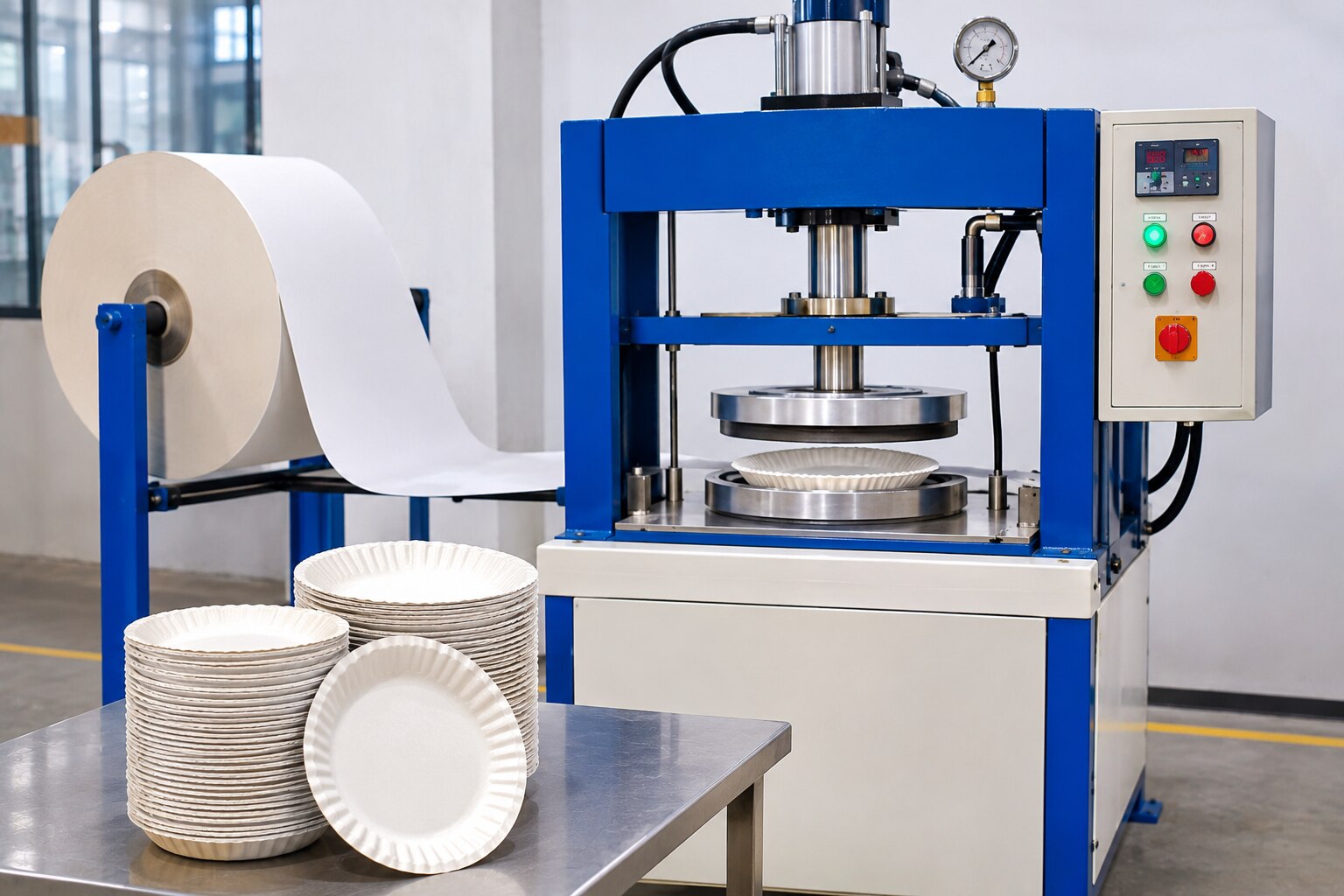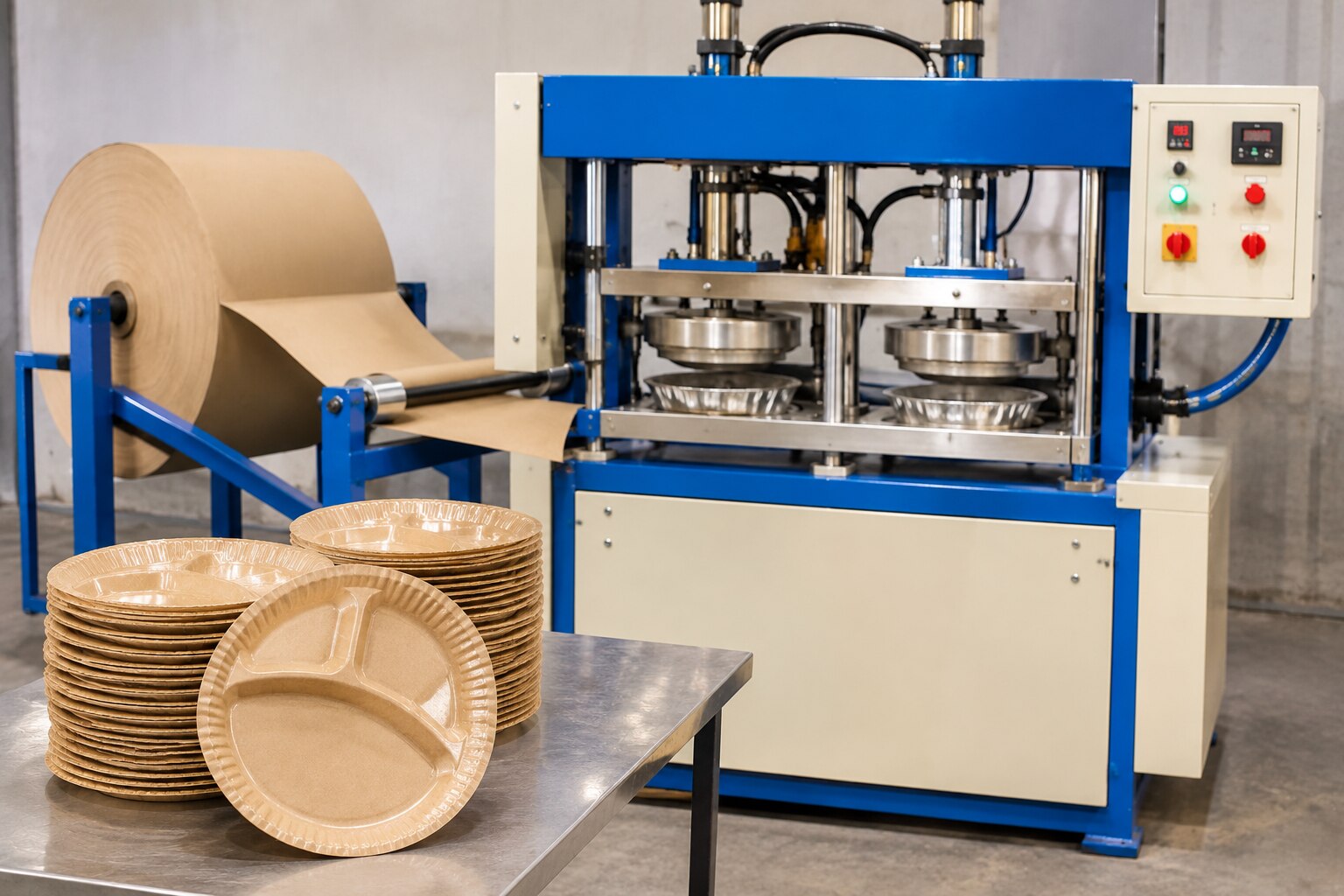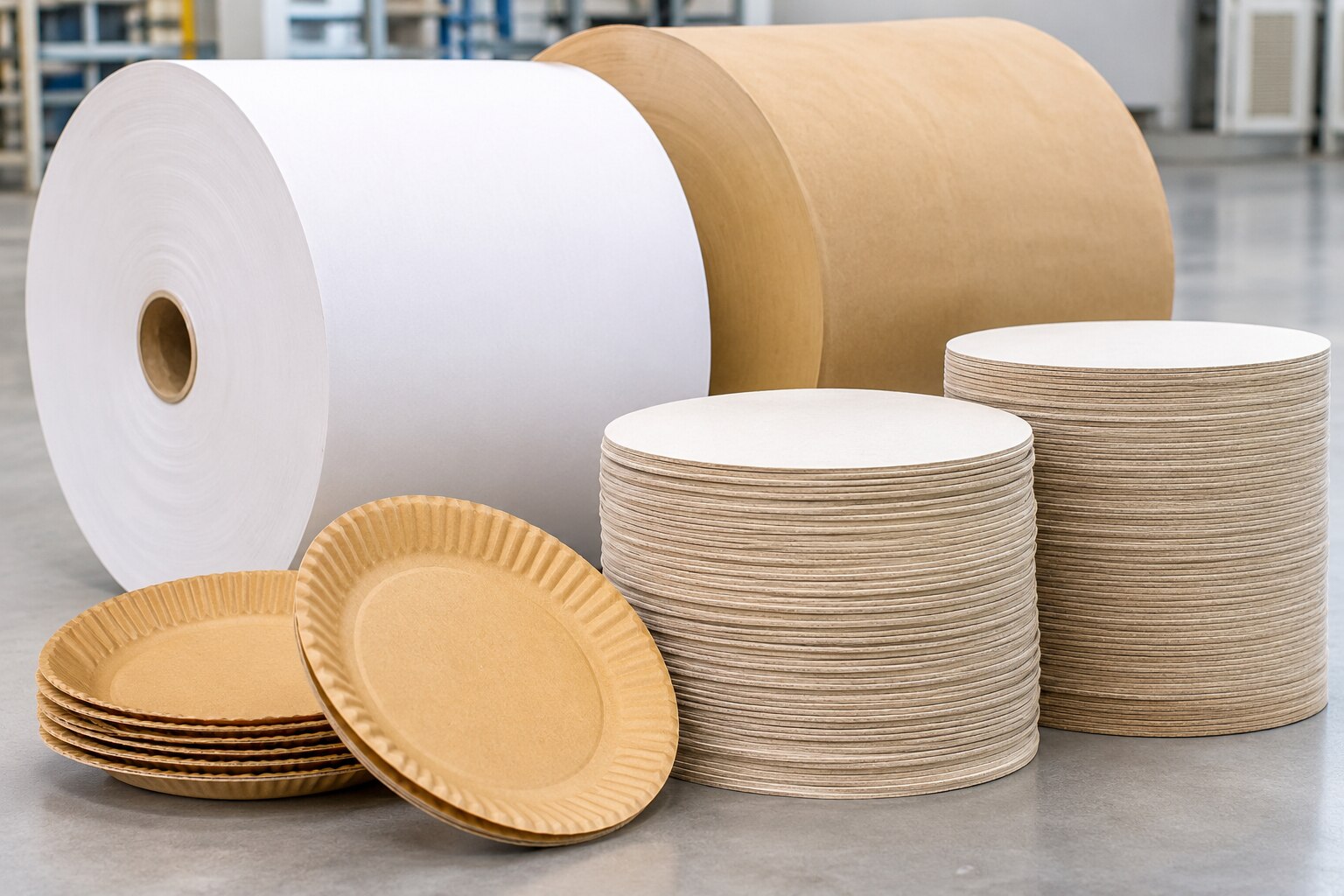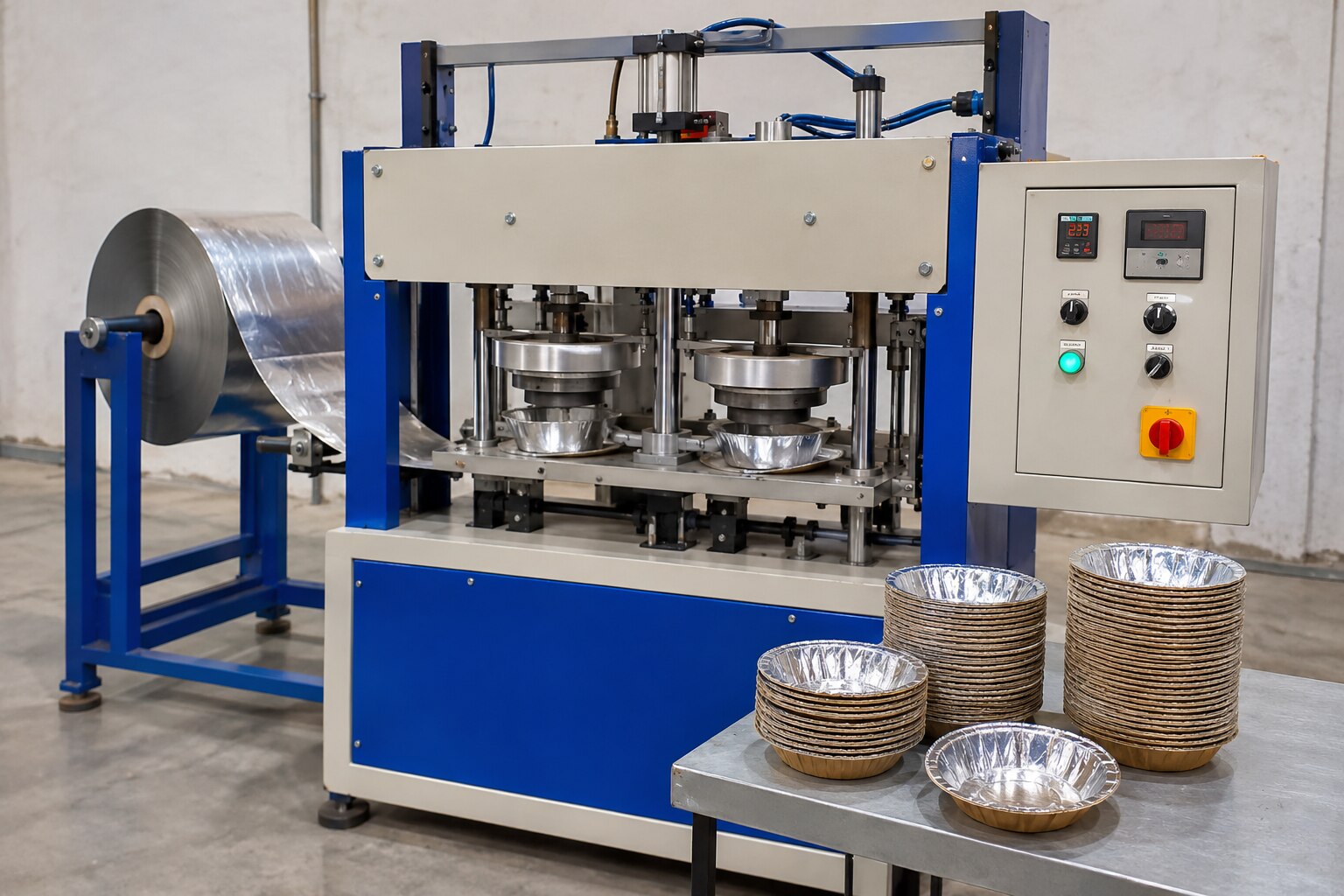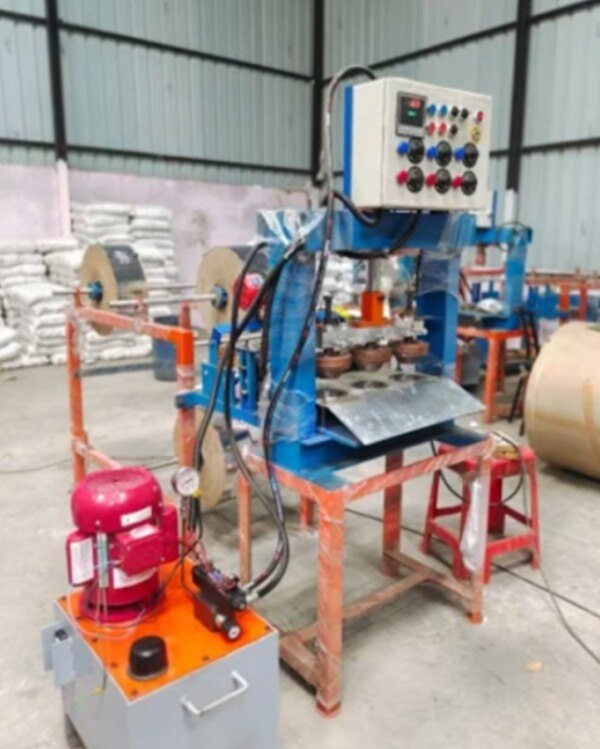
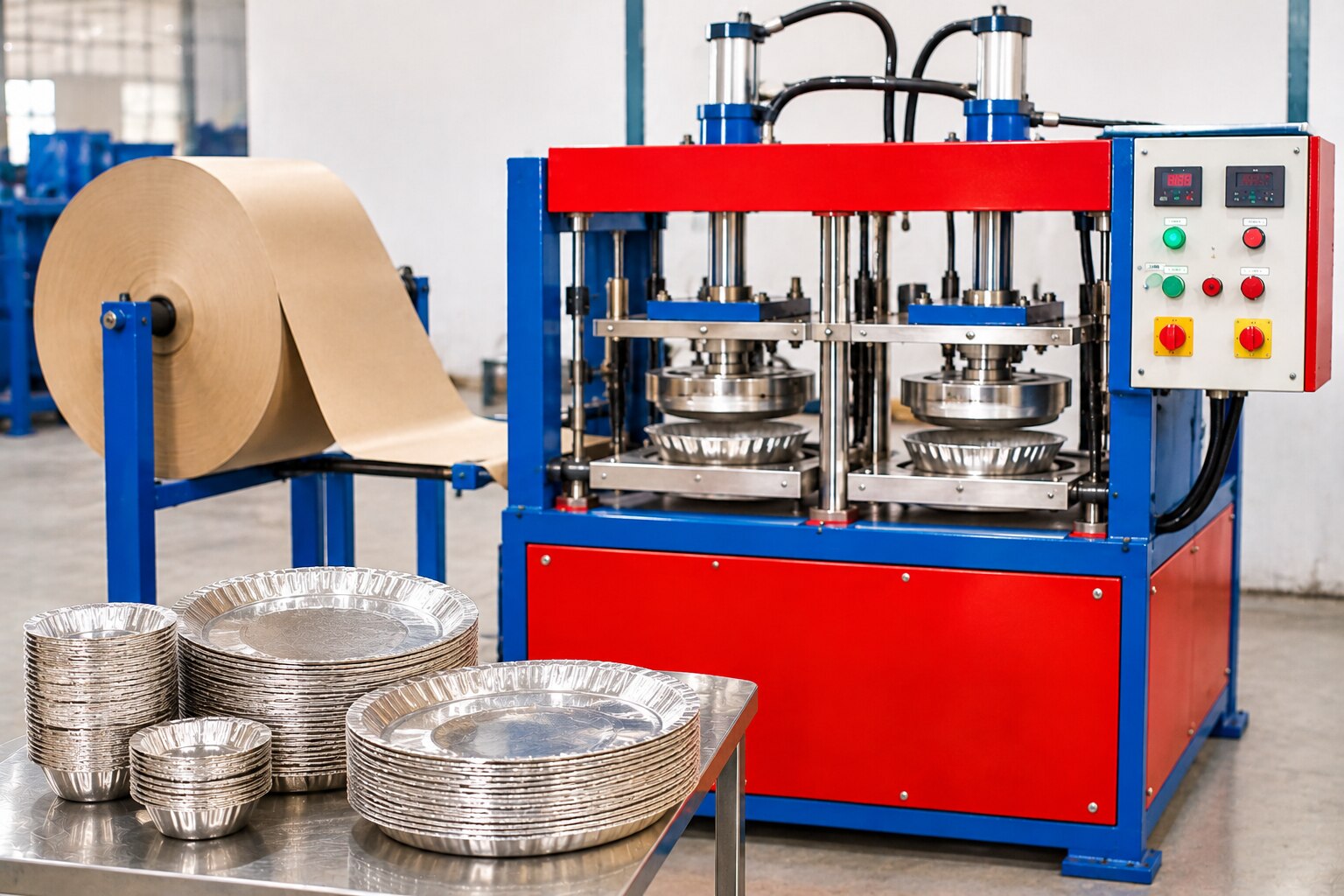
A successful dona or thali unit depends on more than choosing a machine with a high pieces-per-minute figure. You need to validate demand, match equipment to paper and die requirements, prepare the site, and agree on a measurable commissioning test before commercial production begins.
Key takeaways
- Confirm customer orders before choosing machine capacity.
- Match dies and feed format to your actual product range.
- Prepare power, workspace, operators and material flow before installation.
- Require written trials, acceptance criteria and after-sales response terms.
Map the Setup From Market Demand to First Sale
Start with confirmed orders, not a machine quotation: validate paper plate manufacturing demand, define the products, plan production, prepare the site, and only then place the equipment order.
1. Speak with caterers, food vendors, wholesalers and institutional buyers. Record monthly quantities, selling prices, delivery schedules and preferred sizes for each dona and thali. Separate firm orders from guesses.
2. Choose the exact product range. Record diameter, depth, compartments, rim profile, embossing and paper finish. Each variation can require a separate forming die or a costly modification.
3. Build production planning from the orders backward. Calculate usable pieces per hour after changeovers and rejects, then compare that requirement with operator availability, working hours, capital and acceptable downtime. This makes machine selection for disposable tableware a capacity decision rather than a pieces-per-minute comparison.
4. Inspect the proposed workspace before approval. Confirm floor area, electrical connection, ventilation, raw-material storage, finished-goods space and access for installation.
5. Give the manufacturer your exact paper, blank dimensions and die requirements. Specify GSM, caliper, moisture, coating or lamination, grain direction, blank tolerance and recycled-fibre limit. Request die material, expected life, spare pricing and changeover time.
6. Require a witnessed run using that stock, blank and die. Approve forming quality, rim strength, leakage resistance and reject rate before commercial launch, and obtain food-contact documents covering paper, coating, ink, adhesive and release agent.
This sequence protects your dona thali business setup from buying equipment that produces the wrong shape, runs poorly on your paper or cannot meet real customer demand.
Match Capacity, Automation and Dies to Your Real Orders
Choose automation from orders you can prove, not the supplier’s highest hourly figure. A machine capacity calculation is: cycles per hour × pieces per cycle × accepted yield. Subtract loading, unloading, die changes, paper jams and rejected pieces before comparing output with confirmed orders.
| Option | What to compare | When it applies |
|---|---|---|
| Hydraulic paper plate machine | Check pressure, stroke, dwell time, return stroke and die-release behaviour. Ask whether capacity includes loading, unloading and rejects. | Suitable when capital is limited and an operator can load blanks, monitor forming and accept slower changeovers. |
| Semi-automatic dona machine | Count operators, manual blank loading, realistic cycles per hour and output from each die. Include breaks and paper replenishment. | Fits moderate orders with several sizes, limited automation and a business that values lower investment over minimum labour. |
| Fully automatic thali machine | Verify feeding, forming, stacking, fault recovery and continuous run time. Request output for the exact thali dimensions, GSM and die. | Justified when daily orders keep the line occupied and labour savings repay the higher purchase and maintenance cost. |
Ask for a trial using your paper, GSM, blank size and forming die. Record accepted pieces per hour over a sustained run, not the first ten cycles. A die producing two cavities is not automatically twice as productive if loading slows or rejects rise.
Match each diameter, compartment layout, rim and embossing pattern to an included die. Get die price, expected life and changeover time in writing; an attractive machine becomes expensive when every new order requires tooling.
Specify the Paper, Feed Format and Forming Dies Before Purchase
A 180 mm dona and a 300 mm thali need different paper, forming pressure and tooling. Do not approve a quotation that says only “food-grade paper” or “high-speed machine”; specify the finished products and their inputs in writing.
1. Define the paper stock: paper GSM for dona making, caliper, moisture limit, coating or lamination, grain direction, blank-size tolerance and maximum recycled-fibre content. Ask for the accepted GSM range and reject limits by batch. Paper that runs smoothly in a flat plate can crack, delaminate or lose shape in a deeper dona.
2. Choose the feed format. A pre-cut blank machine requires manual or automatic blank loading and storage of ready blanks. A reel-fed paper plate machine adds web alignment, blanking, scrap removal and reel-tooling requirements. Confirm maximum sheet or reel width, blank diameter, loading method and scrap-handling arrangement; these are not interchangeable formats.
3. Specify every die: product diameter, depth, rim profile, compartment layout, embossing pattern and cavity count. Request triple-die dona machine specifications, including whether three dies run simultaneously or require changeover. The quotation must state included dies, die material, expected life, spare-part prices and changeover time.
4. Require a witnessed trial using your exact GSM, blank or reel format and die. Record good pieces per hour, reject percentage, dimensions and forming defects rather than accepting a catalogue cycle rate.
Put GSM tolerance, roll or sheet dimensions, moisture, packaging, batch traceability, lead time, minimum order and replacement terms into the raw-material agreement. Otherwise, off-spec paper can become an argument against your machine warranty.
Prepare the Factory Around Utilities, Operators and Material Flow
A machine can fit on a drawing and still fail at commissioning because the floor, power supply or paper route was never measured. Build the site plan from the supplier’s utilities schedule, not from the machine footprint alone.
1. Calculate the machine floor space requirement as the equipment footprint plus clearance for operators, die removal, maintenance and finished-piece handling. Add a clear route wide enough to move the largest die and raw-material trolley through the entrance.
2. Record the paper plate machine electrical load, supply voltage, phase, cable size, isolator rating and earthing requirement. Size the distribution board for the manufacturer’s connected load, not only the motor nameplate, and ask an electrician to verify voltage drop before installation.
3. Confirm the compressed air requirement in bar and litres per minute when the machine uses pneumatic controls or feeding. Install a receiver, filter and drain if the site compressor cannot maintain that pressure during the full production cycle.
4. Assign operators by task: blank loading or reel monitoring, formed-piece removal, quality checks and packing. A semi-automatic line needs more direct handling; a fully automatic line still needs supervision, replenishment and fault response.
5. Provide bright lighting, cross-ventilation and a waste route for paper trim and rejects. Keep paper blank storage dry, raised above the floor and separated from oil, water and finished goods; label each GSM and batch for FIFO use.
Shivansh Engineering should provide these dimensions, utility figures and access points in writing before you finalise the factory layout.
Related products
 | Paper Dona Making Machine Semi Automatic Dona Making Machine ₹220000 A Semi Automatic Dona Making Machine is a perfect choice for small and medium-scale manufacturers looking for a balance of affordability, efficiency,... View product → |
 | Paper Dona Making Machine Paper Triple Die Dona Making Machine ₹325000 A Paper Dona Making Machine is an essential manufacturing solution for producing high-quality paper donas (bowls) used widely in food service,... View product → |
Demand a Written Trial, Acceptance Test and After-Sales Plan
A machine that runs during a demonstration can still lose money after delivery. Require a dated machine commissioning plan covering installation, leveling, die alignment, trial production, machine operator training, preventive-maintenance instructions and sign-off responsibilities.
The manufacturer should provide:
- A paper plate machine acceptance test using the agreed paper stock, GSM, blank size and die.
- Measured good pieces per hour, reject percentage and dimensional conformity.
- Recorded forming defects, leakage, softening, odour and deformation results.
- Electrical or hydraulic readings against the machine specification.
- A list of unresolved faults, corrective deadlines and warranty contacts.
Run the test with representative food, not only dry material. Check water, oil and heat resistance separately; test hot gravy or oily food at the intended temperature and hold time. A dona that looks acceptable after pressing can still soften or leak during delivery.
Protect production with a signed raw-material specification covering GSM tolerance, moisture, dimensions, coating, batch traceability, lead time and replacement terms for off-spec paper. Also obtain a spare parts and maintenance plan that separates wear items from long-lead parts.
- Keep seals, sensors, blades, punches, dies, bearings, contactors and temperature controllers identified by part number.
- Confirm which parts the supplier stocks locally and the promised dispatch time.
- Record lubrication points, inspection intervals and escalation contacts.
- Require refresher training and remote or on-site service terms.
Do not release the final payment until the acceptance criteria are met and the launch handover is complete.
Frequently asked questions
What should you confirm before ordering a dona thali making machine?
Confirm customer demand, product sizes, expected order volumes and the date of your first sale before selecting equipment.
How do you choose machine capacity and forming dies?
Match output per hour, automation level and die sizes to your confirmed orders rather than choosing the highest advertised capacity.
What paper and feed details must you specify?
Specify the paper type, GSM range, sheet or roll feed format, paper dimensions and forming-die requirements in writing before purchase.
What should you prepare at the factory before installation?
Prepare the required electrical supply, operating space, material storage, finished-goods flow and trained operators before the machine arrives.
What should a manufacturer include in the machine trial and after-sales plan?
Demand a written trial procedure, sample output standards, acceptance criteria, installation scope, spare-parts terms and response times for service support.
Related products
 | Paper Plate Thali Making Machine Fully Automatic Paper Plate Thali Making Machine ₹340000 If you are planning to start or expand your disposable plate manufacturing business, a Fully Automatic Paper Plate Thali Making Machine is the best... View product → |
 | Thali Making Machine Semi Automatic Thali Making Machine ₹95000 A Semi Automatic Thali Making Machine is an ideal choice for manufacturers who want reliable performance, controlled operation, and cost-effective... View product → |
 | Paper Dona Making Machine Fully Automatic Dona Making Machine ₹120000 A Fully Automatic Dona Making Machine is the most advanced and efficient solution for large-scale production of high-quality paper donas (bowls). View product → |
 | Paper Plate Thali Making Machine Hydraulic Paper Thali Making Machine ₹110000 SHIVANSH ENGINEERING is engaged in offering a wide range of Hydraulic Paper Plate Making Machine to our clients. View product → |