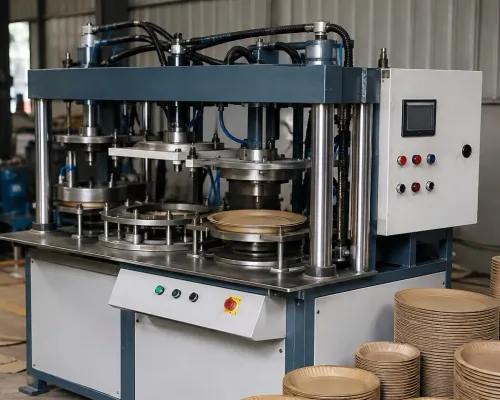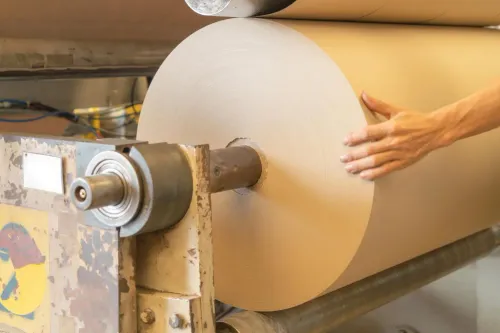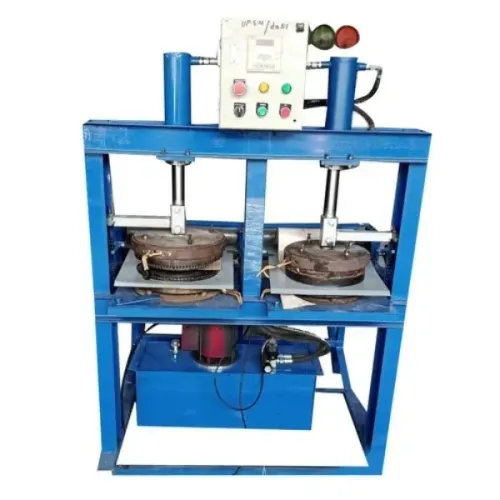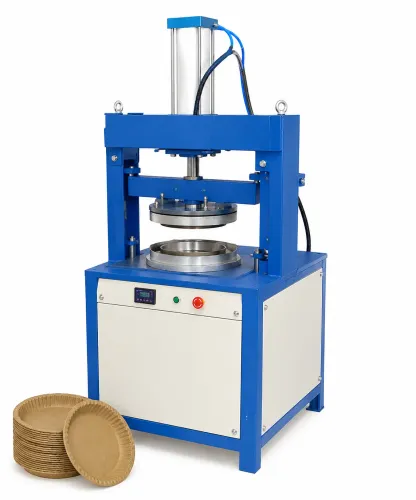


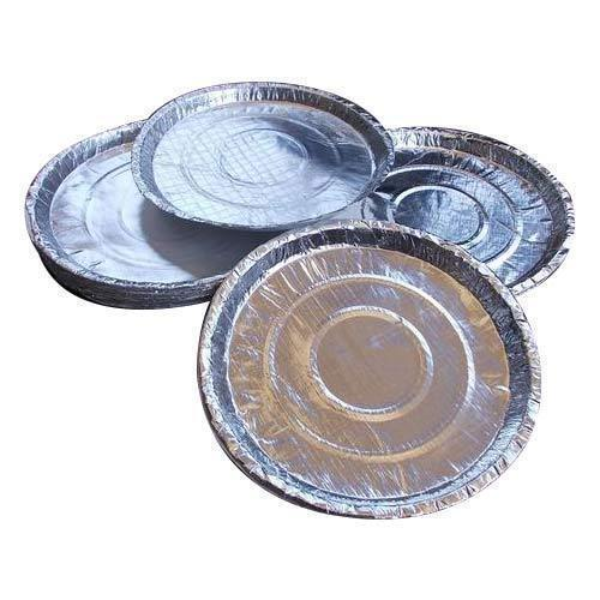
The quality of a finished paper plate depends on more than just the machine that manufactures it. The raw material plays an equally important role in determining strength, appearance, durability, and customer satisfaction. If you're searching for a Silver Paper Plate Raw Material Supplier, understanding what separates premium material from average-quality stock can help you avoid costly production issues.
Many manufacturers invest in modern machinery but compromise on raw materials to reduce costs. While this may seem economical initially, inconsistent paper quality often leads to higher rejection rates, increased wastage, and dissatisfied customers. Shivansh Engineering frequently advises new manufacturers that quality production starts with selecting both the right machine and the right raw material.
Choosing a Silver Paper Plate Raw Material Supplier in Pune
Pune is one of Maharashtra's key industrial cities, making it easier for manufacturers to source paper plate raw materials from local suppliers. However, not every supplier follows the same quality standards. Comparing suppliers carefully before placing bulk orders can make a significant difference to your production efficiency.
Instead of selecting a supplier based only on pricing, evaluate the consistency and performance of the material they provide.
What Is Silver Paper Plate Raw Material?
Silver paper used for disposable plates generally consists of laminated paper designed to provide better moisture resistance and an attractive finish. It is widely used for manufacturing paper plates and paper thalis intended for serving snacks, meals, sweets, and other food items.
The quality of this laminated paper directly affects the appearance and durability of the final product.
Features of Good Quality Raw Material
When inspecting paper plate raw material, look for the following characteristics:
- Uniform thickness throughout the sheet
- Smooth laminated surface
- Food-grade quality
- Good moisture resistance
- Strong bonding between layers
- Clean cutting during production
- Consistent finish across every batch
These features help ensure smooth machine operation and better product quality.
Why Cheap Raw Material Can Become Expensive
Choosing low-cost materials may reduce your purchase expense, but it often creates bigger manufacturing problems later.
Poor-quality raw material may lead to:
- Plate cracking
- Uneven edges
- Weak product strength
- Higher material wastage
- Machine feeding issues
- Increased customer complaints
Investing slightly more in reliable materials usually results in lower production losses and better customer satisfaction.
Questions to Ask Your Supplier
Before placing a large order, ask a few important questions.
For example:
- Is the material suitable for food contact?
- Are different GSM options available?
- Can the supplier maintain consistent quality?
- Is sample material available for testing?
- Can they handle bulk deliveries on time?
These questions help you evaluate whether the supplier can support your business over the long term.
Always Test Before Buying in Bulk
One of the smartest practices followed by experienced manufacturers is testing raw material before confirming a large purchase.
During testing, check:
- Machine feeding performance
- Plate finishing
- Lamination quality
- Moisture resistance
- Product strength
- Cutting accuracy
A simple production trial can reveal issues that are difficult to identify through visual inspection alone.
Build Your Business on Consistent Quality
Customers may not know which machine you use, but they immediately notice the quality of the finished paper plate. Strong, attractive, and durable products are only possible when reliable machinery is paired with premium raw materials.
If you're looking for guidance on setting up a paper plate manufacturing business in Pune or sourcing equipment that performs efficiently with quality laminated paper across Maharashtra, the experienced team at Shivansh Engineering can help you understand the relationship between machinery, raw materials, and consistent production quality. Making informed decisions at every stage helps create a manufacturing business that is built for long-term success.