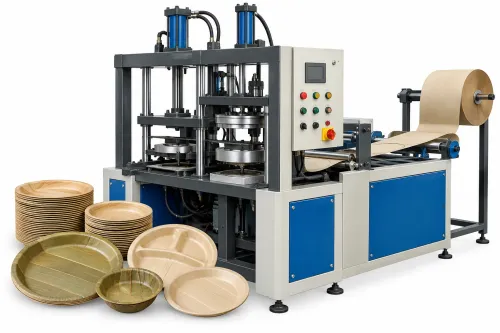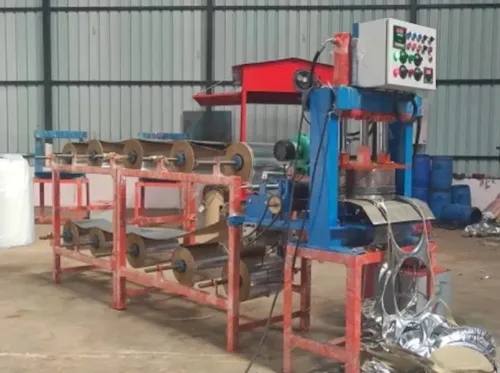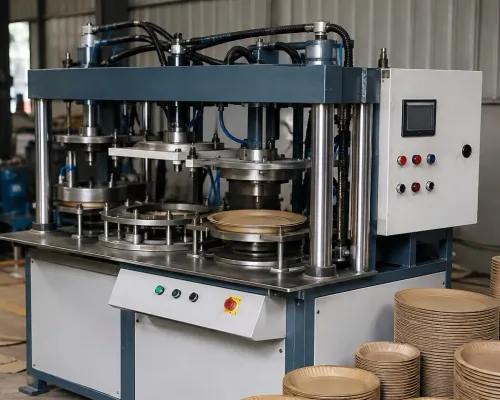


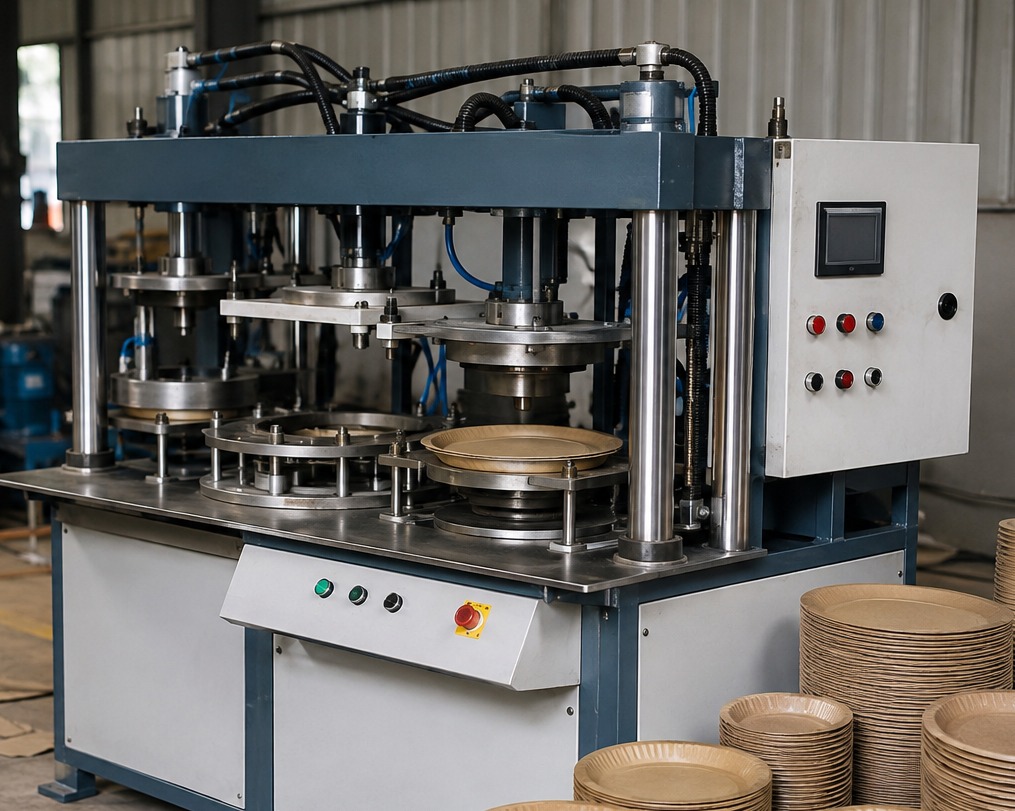
Buying equipment is an important milestone when establishing a disposable plate business, but machinery alone does not create a production-ready unit. Raw material supply, electrical infrastructure, operators, dies, packaging, workspace, quality checks, maintenance, and customer demand should all be prepared before regular manufacturing begins.
For entrepreneurs considering a Paper Plate Production Machine in Pimpri Chinchwad, Maharashtra, a readiness assessment can help identify gaps before capital is committed.
Confirm That Market Demand Exists
Start with customers, not machinery.
Identify who is likely to purchase the plates and what specifications they commonly require.
Potential buyers may include distributors, wholesalers, caterers, food-service suppliers, retailers, institutional purchasers, and other businesses handling disposable foodware.
Understanding common plate sizes and expected order quantities helps determine the appropriate production setup.
Decide Which Products to Manufacture
Avoid attempting to manufacture every possible plate size from the first day.
Choose an initial range based on actual demand.
Determine plate diameter, shape, material, thickness, and required quantities.
These specifications will influence machine selection and die requirements.
A focused initial product range can also simplify raw material purchasing and inventory management.
Secure Reliable Raw Material
Production becomes difficult when material quality changes between batches.
Identify suppliers capable of providing suitable paper consistently.
Ask for samples and conduct trials before committing to large orders where practical.
Raw material storage conditions should also be planned because moisture and improper handling can influence paper characteristics.
Prepare the Production Space
Measure the facility before ordering equipment.
The machine requires adequate installation space, but manufacturing also needs room for raw material, operator movement, finished-product collection, quality checks, packing, maintenance, and stock storage.
Plan a logical flow that minimizes unnecessary movement.
Verify Electrical Infrastructure
Confirm the power requirements of the selected Paper Plate Production Machine.
Check whether the facility has adequate electrical capacity and appropriate connections.
Any necessary electrical work should ideally be completed before installation so machine commissioning is not delayed.
Prepare Operators
Operators should understand more than the start and stop controls.
Training should cover material feeding, die handling, production settings, cleaning, basic inspection, safe operation, and recognition of unusual machine behaviour.
A simple daily operating checklist can improve consistency between shifts.
Establish Basic Quality Standards
Define what an acceptable finished plate should look like.
Quality checks may include:
- Correct dimensions
- Consistent shape
- Proper edge formation
- Surface condition
- Adequate forming
- Easy stacking
- Packaging condition
These checks make it easier to identify production problems before defective quantities accumulate.
Organize Packaging Before Production Starts
Packaging should not be treated as an afterthought.
Decide how many plates will be packed together, what packaging material will be used, how packs will be labelled where necessary, and how finished goods will be stored.
Packaging capacity should also match expected machine output.
Create a Maintenance Routine
Preventive maintenance should begin from the first day of production.
Establish schedules for cleaning, lubrication, die inspection, fastener checks, moving components, electrical systems, and hydraulic components where relevant.
Maintenance records can help identify recurring issues and support planned servicing.
Review Financial Readiness
Before commissioning the machine, ensure sufficient working capital exists for raw material, labour, electricity, packaging, transport, maintenance, and normal operating overheads.
Machine investment should not consume the entire project budget while leaving insufficient funds for actual production.
Move Forward When the Complete Setup Is Ready
A Paper Plate Production Machine should be selected as part of a complete manufacturing plan.
Shivansh Engineering can discuss machinery requirements according to intended products, tooling, production targets, and operating conditions.
For businesses preparing a production facility in Pimpri Chinchwad, readiness means having more than equipment in place. When customer demand, material supply, utilities, workforce, quality control, packaging, maintenance, and working capital are aligned, commercial production can begin on a much stronger operational foundation.