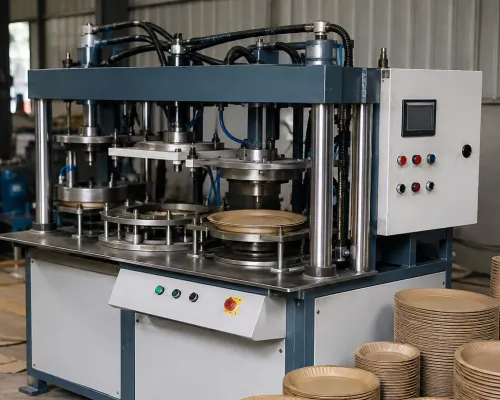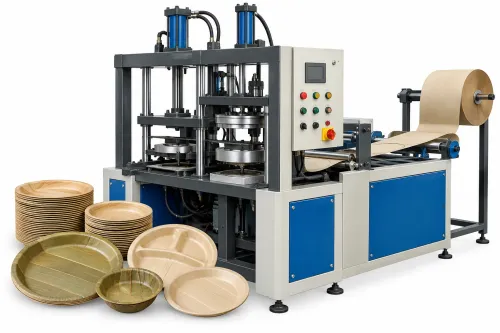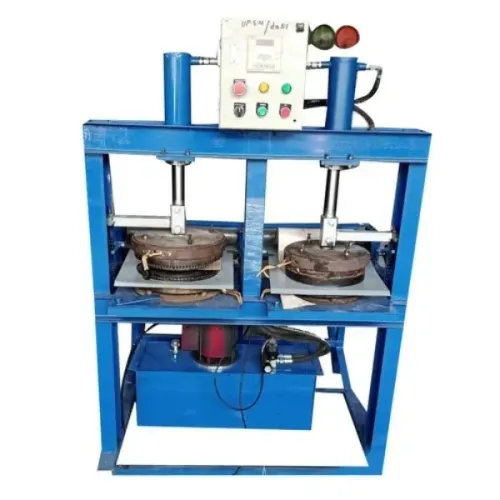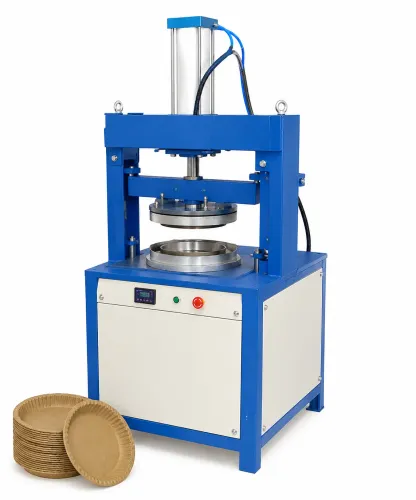
Production speed becomes increasingly important when a paper plate manufacturer begins receiving larger and more frequent orders. At this stage, businesses may start evaluating a High Speed Paper Plate Machine to increase output and reduce production bottlenecks.
For manufacturers in Satara, Maharashtra, however, upgrading should involve more than comparing advertised production speeds. Capacity, material handling, maintenance, utilities, product specifications, and downstream packing all influence whether a high-speed setup delivers genuine operational benefits.
Establish Your Required Capacity
Start by calculating current production.
Determine average daily output, maximum seasonal demand, order backlog, machine utilization, and expected growth.
If existing equipment operates close to capacity for long periods and production limitations are delaying orders, higher-speed machinery may be worth evaluating.
Avoid selecting capacity based purely on future expectations without supporting demand.
Ask How Speed Is Measured
Production figures need context.
Ask whether stated capacity represents theoretical cycling speed or practical output under normal manufacturing conditions.
Machine productivity may change according to:
- Plate diameter
- Material thickness
- Die configuration
- Feeding arrangement
- Operator practices
- Production stoppages
- Required quality standards
Saleable output per shift is generally a more meaningful metric than maximum cycles under ideal conditions.
Make Sure Material Feeding Can Keep Up
Increasing machine speed without improving material handling can simply move the bottleneck.
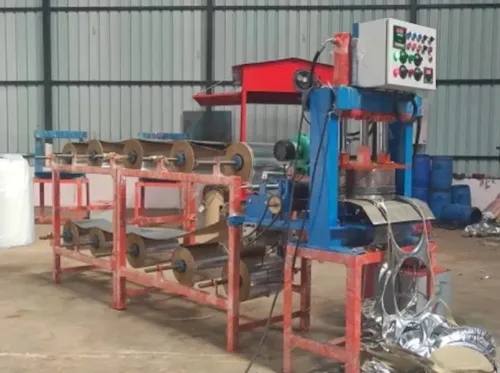
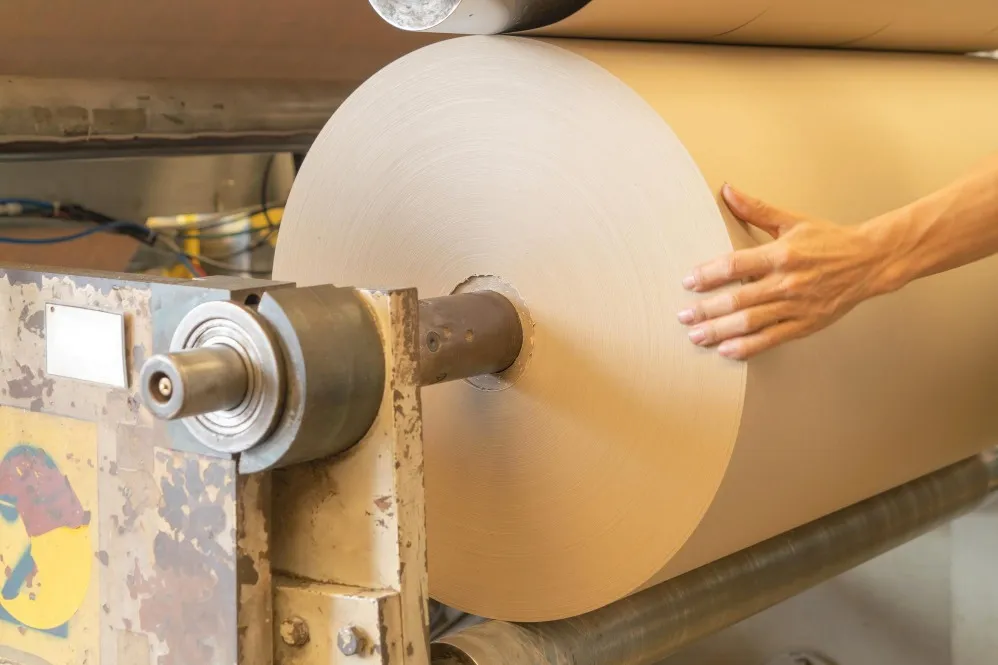
Raw paper should be available near the production station in an organized manner. Operators should not repeatedly interrupt the cycle to collect material from distant storage.
If feeding is operator-dependent, assess whether the required pace can be maintained safely and consistently.
Review Finished Plate Handling
High output creates another challenge: what happens immediately after forming?
Finished plates need to be collected, checked, counted, stacked, and packaged.
If these processes cannot match production speed, inventory begins accumulating around the machine.
Before upgrading, map the movement of the product from the machine to finished-goods storage.
This exercise often identifies additional requirements that are easy to miss during machine purchasing.
Examine Machine Construction
High-speed production involves repeated operating cycles over extended periods.
Buyers should therefore examine structural stability, forming mechanisms, die mounting, controls, accessible maintenance points, and relevant safety features.
The machine should be evaluated for the intended working schedule rather than occasional demonstration use.
Check Die Compatibility
Plate size influences production.
Discuss the dies required for current products as well as sizes that may be introduced later.
Where interchangeable tooling is supported, understand changeover procedures and whether output differs between die specifications.
This helps prevent unrealistic capacity planning.
Plan Preventive Maintenance
Faster production does not remove the need for maintenance. In fact, regular inspection becomes particularly important when machinery operates for long periods.
Create a schedule covering cleaning, lubrication, die inspection, fasteners, moving mechanisms, electrical components, and hydraulic systems where applicable.
Operators should also report unusual noise, vibration, leakage, inconsistent forming, or changes in cycle behaviour immediately.
Calculate the Return on Additional Capacity
The financial value of a High Speed Paper Plate Machine depends on whether the extra production can be sold profitably.
Consider machine investment, electricity, labour, raw material, packaging, maintenance, additional dies, potential wastage, and expected sales volume.
Compare these costs with the additional saleable output the machine can realistically generate.
Scale Production Based on Evidence
A high-speed machine is most useful when the surrounding production system is ready for it.
Shivansh Engineering can discuss paper plate machinery requirements according to production targets, plate specifications, dies, and operating conditions.
For manufacturers in Satara planning expansion, the strongest approach is to treat a High Speed Paper Plate Machine as one part of a complete production system. When demand, raw materials, utilities, operators, packaging, storage, and maintenance capacity are aligned, higher machine speed can translate into meaningful manufacturing growth.
Keywords