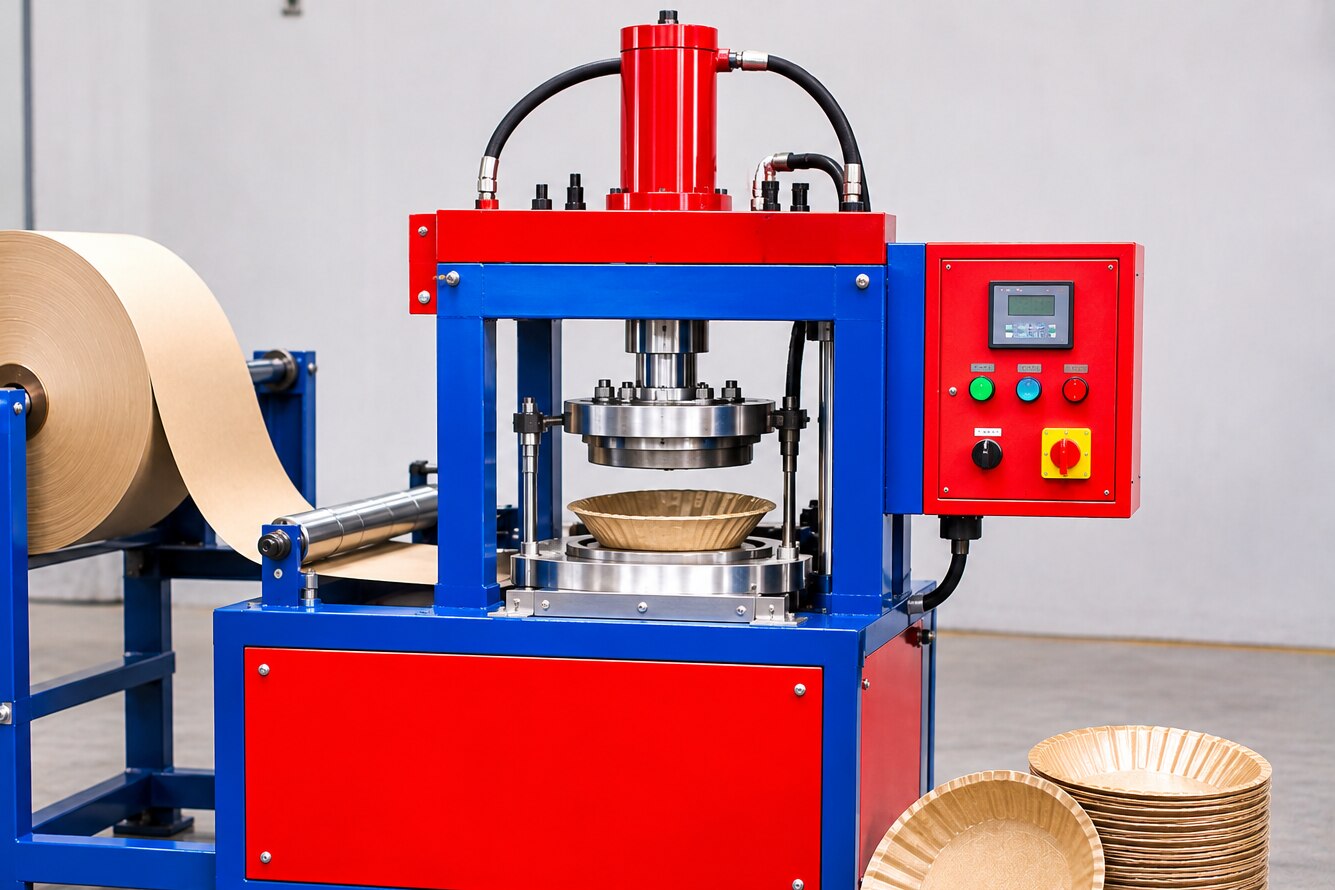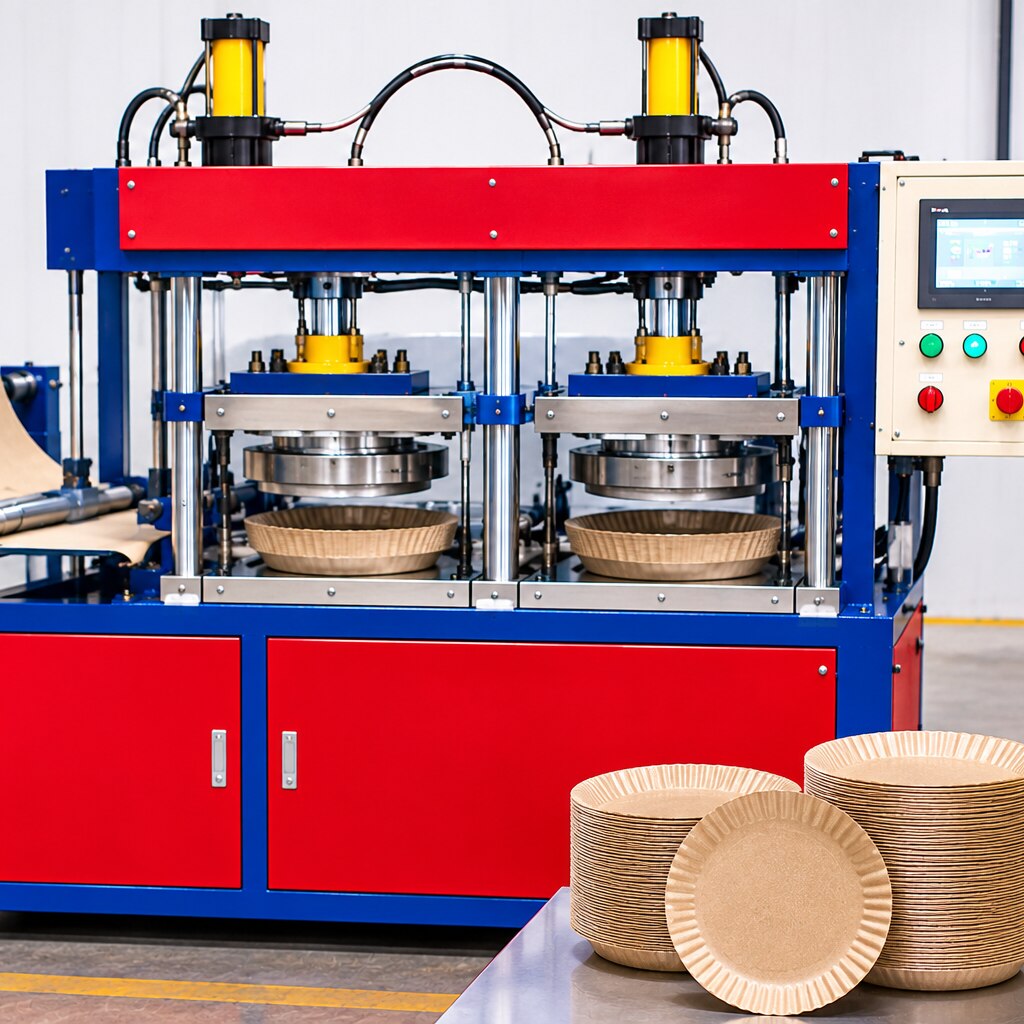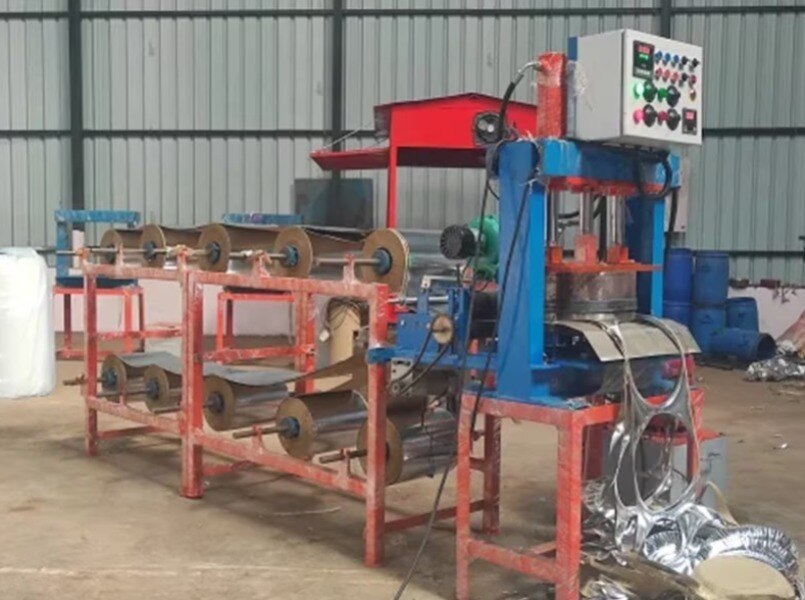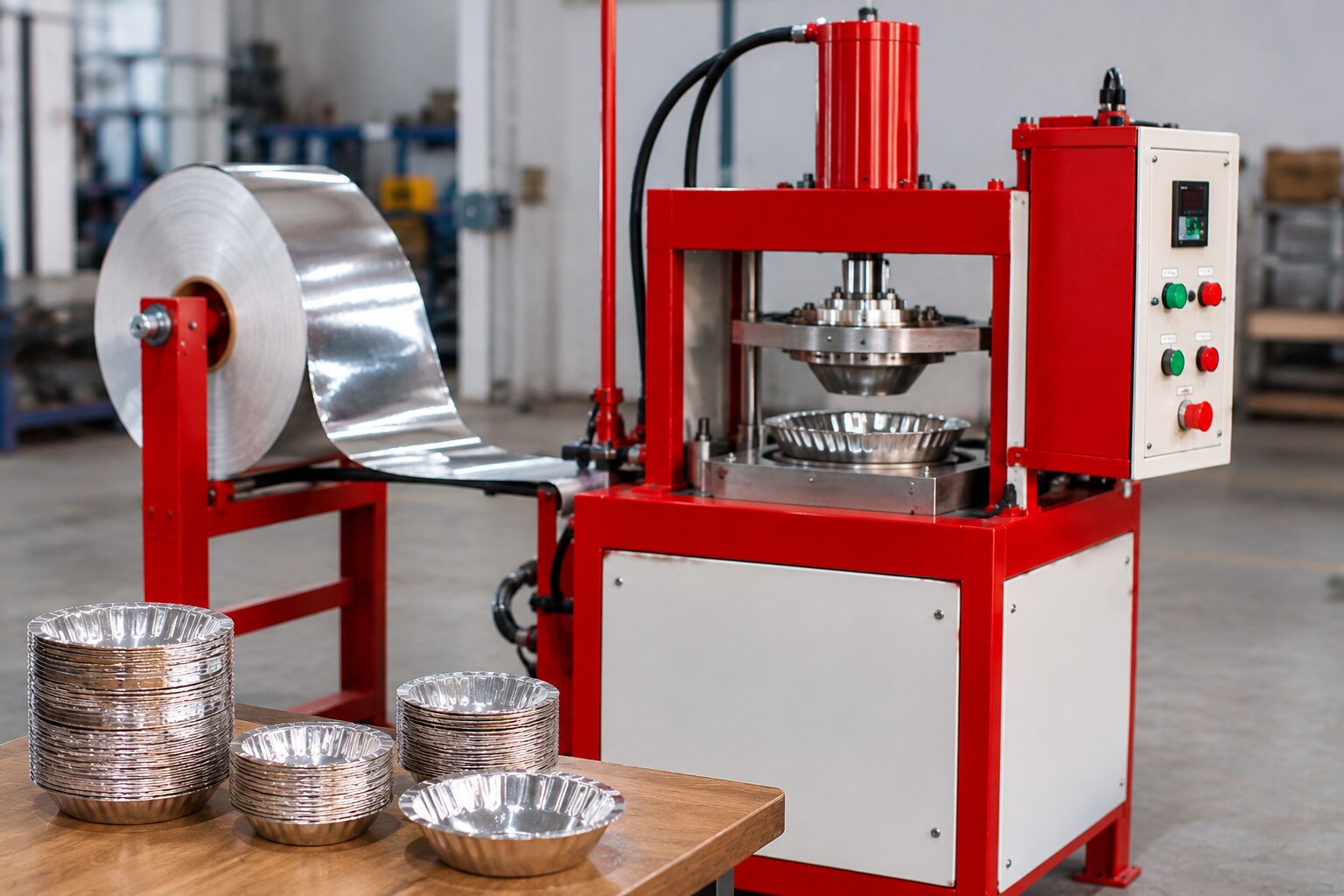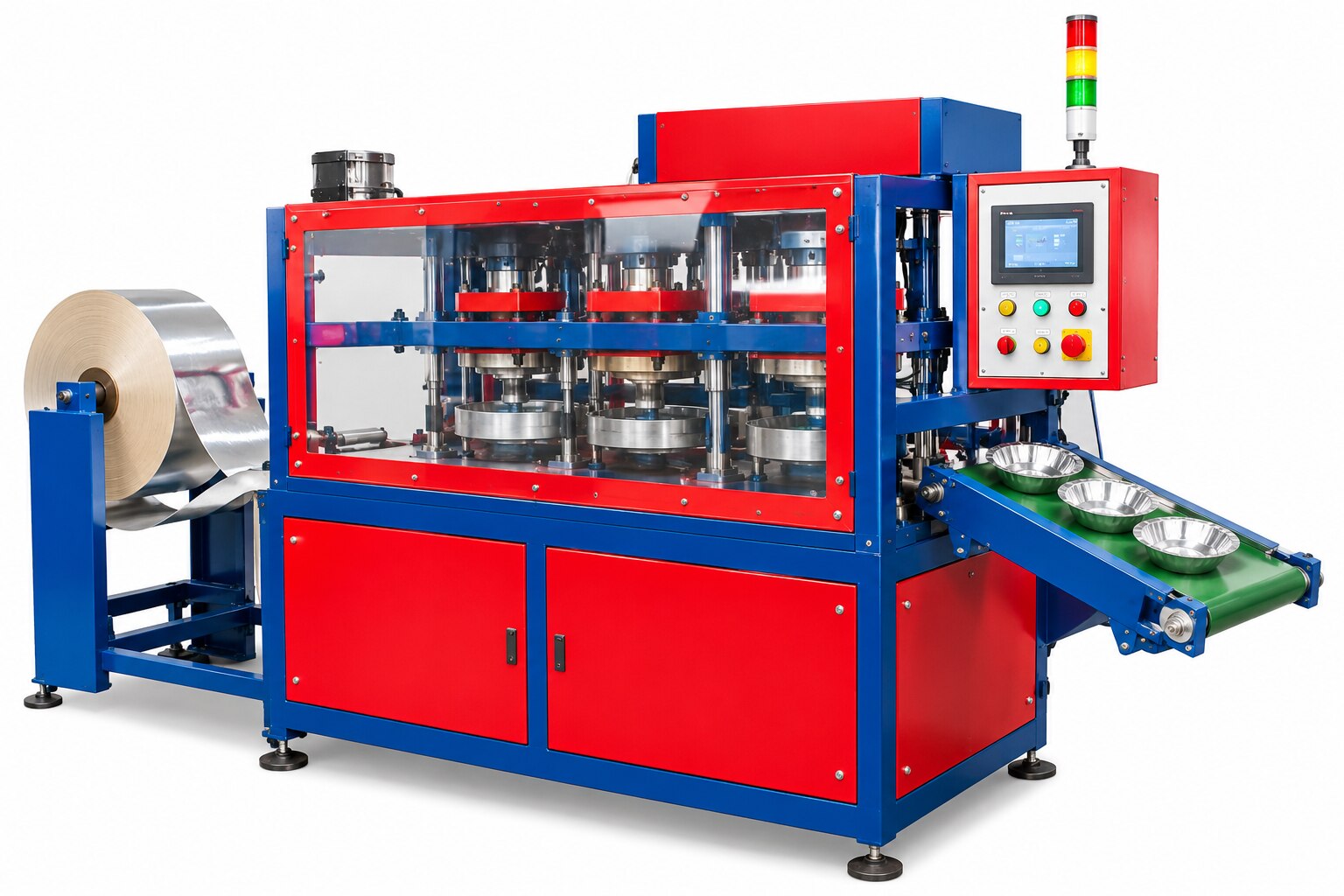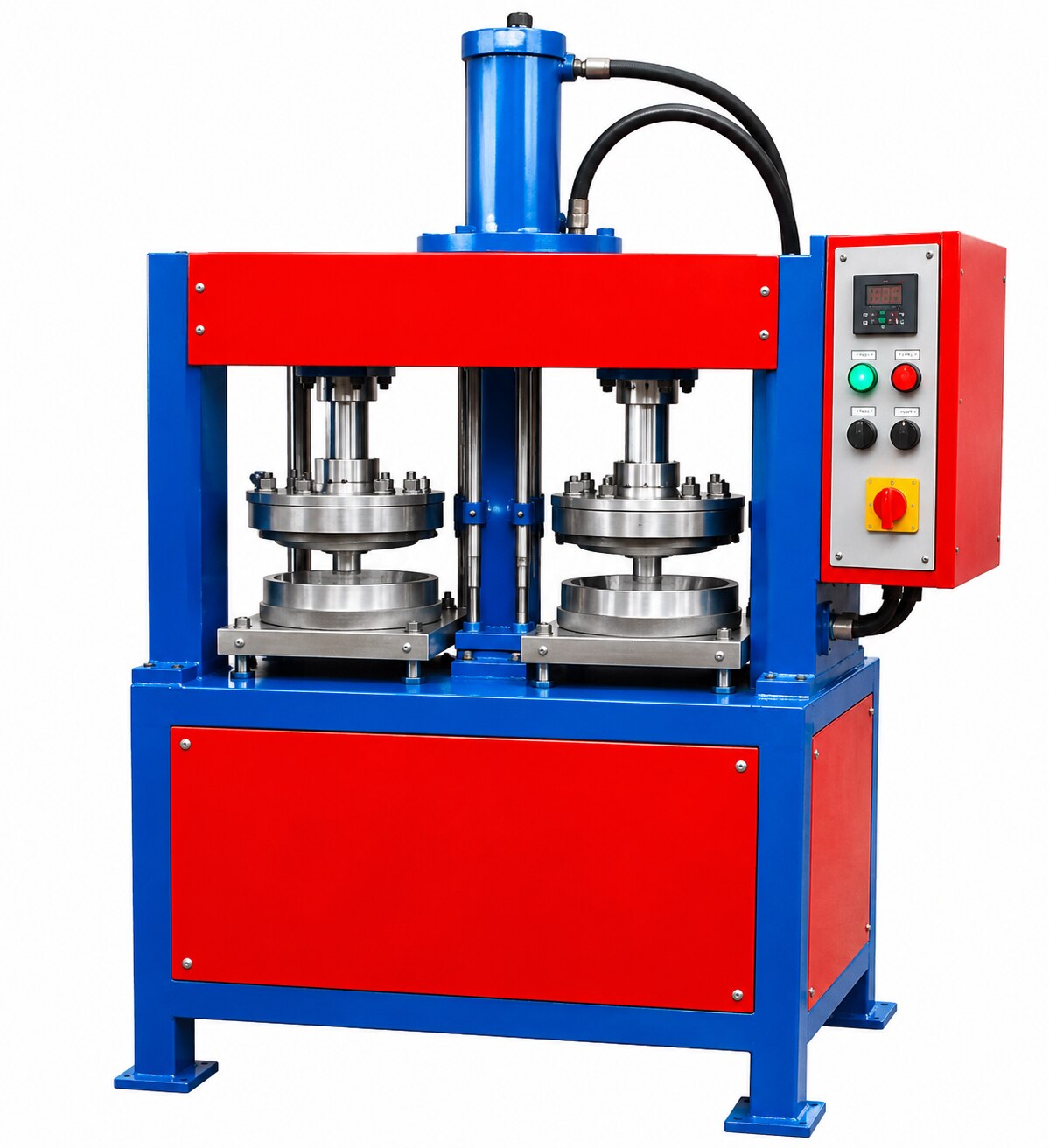
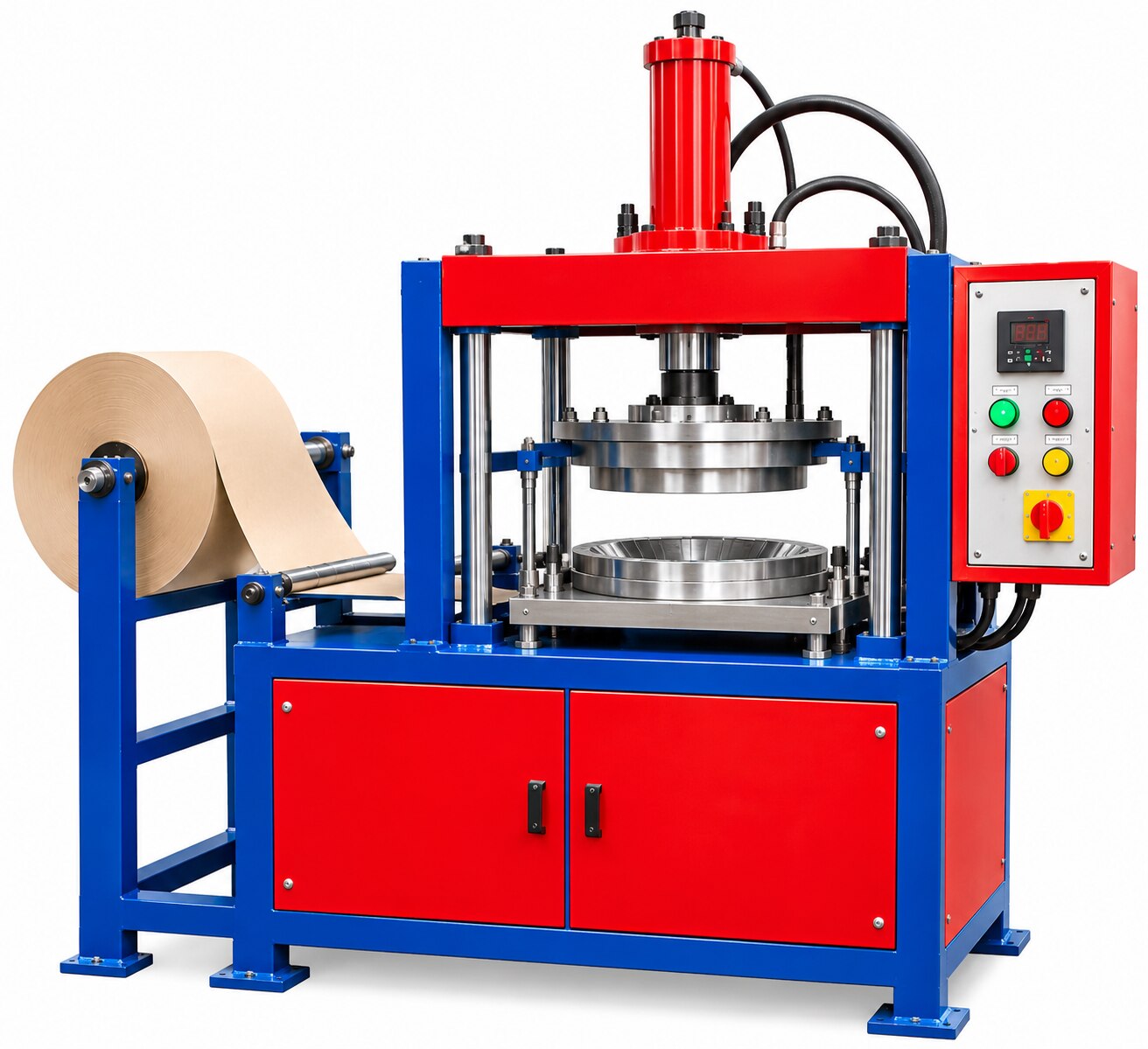
A paper thali machine can be mechanically sound and still fail at the buyer’s site because the floor, electrical supply, tooling, raw material or operator settings were never prepared correctly. By the end, you will know what to confirm before delivery, what the installation team must test, how training should be divided between staff roles and which handover records prove the machine is ready for production.
Key takeaways
- Confirm the installation drawing, nameplate and utility schedule before dispatch.
- Prepare the correct power, compressed air, floor space and lifting equipment.
- Require trial production and safety checks before accepting commissioning.
- Collect training records, maintenance schedules, drawings and spare-parts details at handover.
What to prepare before the machine reaches your site
Confirm the machine’s installation drawing, nameplate and utility schedule before dispatch. Paper thali machine installation requirements vary between hydraulic, pneumatic and servo-driven models, so a generic “plug-and-play” assumption can leave you without the correct power, air supply or lifting equipment.
Ask the manufacturer to confirm these site details in writing:
- Machine footprint and service clearance on every side, including space for die changes, operator movement and maintenance access.
- Floor load capacity, levelness, anchor-bolt positions and the exact levelling method shown on the installation drawing.
- Three-phase power supply voltage, frequency, installed electrical load, isolator rating, earthing points and cable-entry location.
- Compressed-air pressure and flow measured at the machine while cycling, plus the required filter, regulator and water or oil separation.
- Ventilation, lighting, hydraulic-oil requirements and safe routing for cables, hoses and drains.
- Door widths, ceiling height, loading-bay access, turning space and the lifting method for unloading and positioning.
| Detail | Confirm before shipment | Consequence if missed |
|---|---|---|
| Machine and die | Packed dimensions, gross weight and lifting points | The delivery may not pass through the route or may require unplanned lifting gear |
| Electrical supply | Nameplate voltage, phase, frequency and load | Undersized wiring or incorrect phase can damage equipment or stop commissioning |
| Air supply | Pressure, flow, filtration and connection size | Water, oil or pressure loss can cause sticking valves and unreliable forming |
| Floor and access | Load capacity, anchors, clearances and route | Positioning delays, unsafe movement or restricted maintenance access |
| Raw material | Paper basis weight, coating, moisture, blank size and ply | Trial samples can run while your production stock tears, sticks or forms poorly |
Who installs the machine and what happens first
The manufacturer’s technician leads the machine installation sequence; the local electrician connects site power, and the buyer’s staff prepare the area and support checks.
| Role | Main responsibility | Boundary |
|---|---|---|
| Manufacturer’s technician | Unpack, inspect, position, perform machine leveling and anchoring, connect pneumatics, fill hydraulic oil, fit guards, complete die fitting and alignment, check sensors and run the no-load test | Uses the installation drawing; does not improvise anchor points |
| Local electrician | Install the isolator, protective devices, earthing and correctly rated supply cable; complete the electrical connection to the machine terminals | Follows the nameplate, wiring diagram and local electrical rules |
| Buyer’s staff | Provide lifting help, materials, utilities, cleaning and access; observe operation and record settings during trials | Do not energise, adjust tooling or clear jams during installation without instruction |
The practical sequence is:
- Inspect the delivered machine, packing list, transport damage and accessories before removing it from the crate.
- Position it using the lifting route and service clearances shown on the installation drawing. Level and anchor it only as specified; a guessed foundation can transmit vibration or distort the frame.
- Connect power, earth, compressed air and hydraulics. The technician checks oil level, lubrication points, hoses, leaks, guards, emergency stops and sensor operation.
- Fit the dies, centre the upper and lower halves, set shut height or stroke, and verify alignment at slow speed.
- Run a guarded no-load test, then produce samples. Check wrinkles, incomplete forming, uneven cutting and edge cracking before accepting the first trial.
How commissioning proves the machine is ready to run
Acceptance starts with recorded results, not a machine that merely powers on. Compare the nameplate and utility schedule with the installed supply, then complete these checks before signing acceptance.
| Area | Checks to complete | Acceptance evidence |
|---|---|---|
| Electrical | Confirm voltage, phase, installed load, earthing, cable protection and motor rotation. | Measured readings match the nameplate; no nuisance trips or exposed conductors. |
| Hydraulic | Complete hydraulic commissioning checks, inspect hoses and fittings, remove leaks, and confirm the specified oil grade and pressure setting. | Correct oil is recorded; pressure remains stable during cycling. |
| Pneumatic | Measure pressure and flow at the machine while it cycles, not only at the compressor. Check the regulator, filter, drain, valves and cylinders for water, oil and particulate contamination. | Pressure stays within the machine specification and cylinders move without hesitation. |
| Safety | Test guards, interlocks, warning controls and emergency stop testing from every operator position. Verify that electrical, pneumatic, hydraulic and mechanical energy can be isolated before jam clearing or die cleaning. | The machine stops safely, cannot restart unexpectedly, and stored energy is released or restrained. |
| Production | Run a guarded no-load cycle, fit the die, then produce samples using the buyer’s actual paper basis weight, coating, moisture, blank size and ply construction. | Thalis form correctly without tearing, sticking, poor cutting or unacceptable dimensional variation. |
Acceptance testing for paper thali machines should record cycle settings, sample approval, defects, corrective actions and the names of both parties. Do not accept until the agreed output, quality and repeatability are demonstrated over a sustained trial.
What operators and maintenance staff must learn
Operators must leave paper thali machine operator training able to load blanks, use controls, start and stop safely, inspect output and recognise a machine fault. Maintenance staff need a separate module covering lubrication points, wear parts, sensor checks, pneumatic troubleshooting, electrical fault boundaries and the permitted method for die adjustment or replacement.
| Role | Core instruction | Evidence of competence |
|---|---|---|
| Operator | Loading, startup, shutdown, quality checks and routine cleaning | Produces approved samples and identifies wrinkles, incomplete forming, uneven cutting and edge cracking |
| Maintenance staff | Die alignment, lubrication, sensors, air systems and fault diagnosis | Completes service tasks without bypassing guards or exceeding rated settings |
Teach jam clearing as lockout and energy isolation, not as an ordinary operating step. The written procedure must identify electrical, pneumatic, hydraulic and mechanical energy, require isolation and verification, and prohibit reaching into the die area until stored energy is released or restrained.
Show the operator how to report a jam; show authorised maintenance staff how to clear it.
A documented die change procedure should be practised with the actual tooling:
- Isolate the machine, remove the previous die, and inspect and clean both die surfaces.
- Install and align the new tooling, then set stroke and pressure within the rated range.
- Run samples, inspect first-off pieces, and record the stroke, pressure and blank specification for that thali size.
Teach staff to distinguish warped stacks, inconsistent blank dimensions, off-centre printing and moisture variation from genuine machine faults. Excessive pressure can damage dies, bearings, frames or paper rather than increase output.
What to include in the support agreement and handover file
Compare supplier support by deliverables, not by the number of technician days. Ask Shivansh Engineering, or any supplier, to state the manufacturer installation support, machine training duration, travel charges, response times and acceptance criteria in the quotation.
| Supplier offer | Require in writing | Buyer evidence |
|---|---|---|
| Installation | Technician scope, local electrician duties, commissioning trial and repeat-visit terms | Signed installation and acceptance report |
| Training | Separate operator and maintenance modules, class size and machine training duration | Attendance sheet and operator competency record |
| After-sales | Phone, video and site support; spare-parts response time; warranty exclusions | Service log, escalation contacts and closure dates |
The handover file must contain machine manuals and parts list, electrical and pneumatic diagrams, lubrication schedule, recommended consumables, fault-code explanations, tooling drawings and parameter backups. Add the serial number, software or controller version, calibration values and photographs of the final wiring and guarding.
Require a signed product-changeover sheet for every thali size. It must record isolation, die removal and cleaning, alignment, stroke or pressure settings, sample approval and first-off inspection; otherwise operators revert to trial-and-error.
Keep separate records for operator and maintenance training. Operators must demonstrate loading, controls, shutdown, quality checks and safe jam clearing; maintenance staff must demonstrate lubrication, sensor checks, pneumatic fault isolation and permitted die adjustment. Require refresher support after a defined production period and a named contact for unresolved faults.
Related products
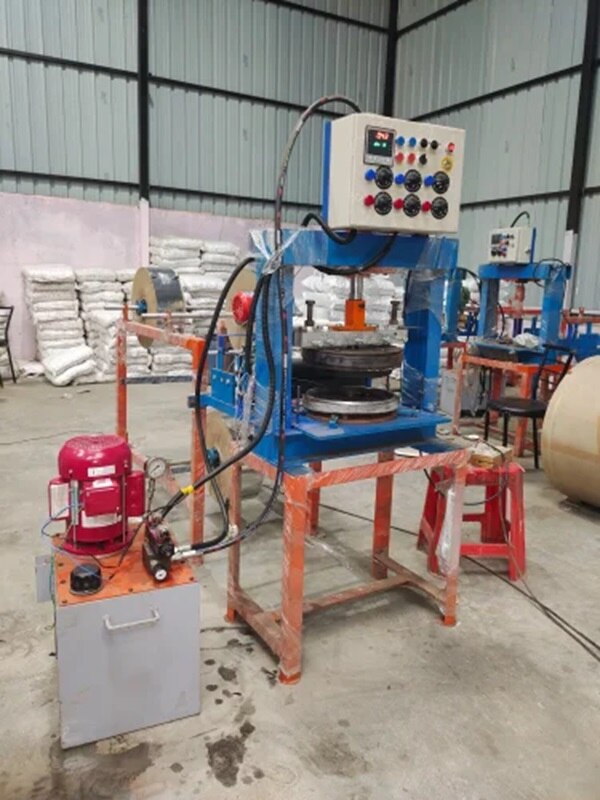 | Paper Plate Thali Making Machine Hydraulic Paper Thali Making Machine ₹110000 SHIVANSH ENGINEERING is engaged in offering a wide range of Hydraulic Paper Plate Making Machine to our clients. View product → |
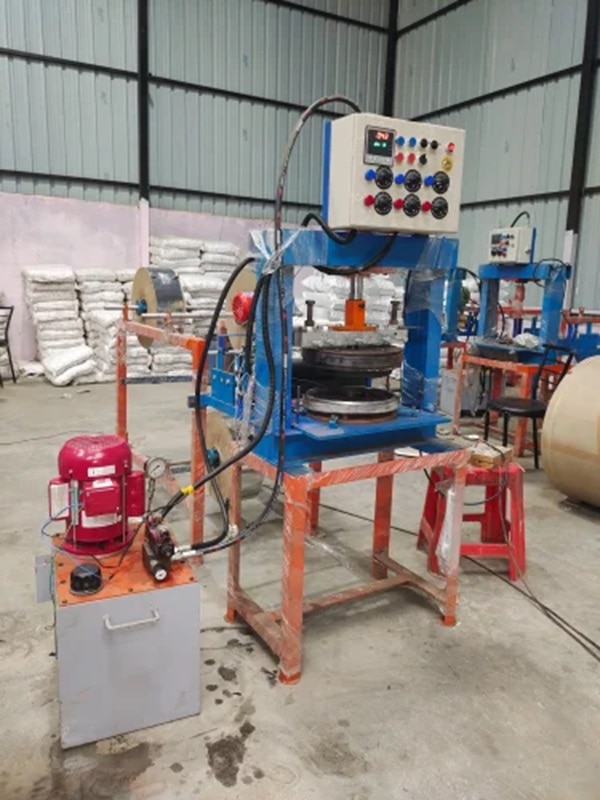 | Paper Plate Thali Making Machine Fully Automatic Paper Plate Thali Making Machine ₹340000 If you are planning to start or expand your disposable plate manufacturing business, a Fully Automatic Paper Plate Thali Making Machine is the best... View product → |
Frequently asked questions
What should you prepare before a paper thali machine arrives?
Confirm the installation drawing, machine nameplate and utility schedule, then prepare suitable floor space, electrical power, compressed air and lifting equipment for the specific hydraulic, pneumatic or servo-driven model.
Who installs a paper thali making machine?
The manufacturer’s installation team or an authorised technician should position, connect and level the machine, while your site team provides prepared utilities, access and lifting support.
How do you confirm that machine commissioning is complete?
Run trial production, inspect thali dimensions and forming quality, test controls and safety devices, and record the approved operating settings before accepting the machine.
What training should paper thali machine operators receive?
Operators need instruction on startup, shutdown, material loading, setup changes, quality checks, jam clearance and emergency stops. Maintenance staff also need lubrication, inspection, fault diagnosis and safe isolation procedures.
What should the machine handover file contain?
Request installation drawings, electrical and pneumatic diagrams, operating instructions, preventive-maintenance schedules, spare-parts lists, commissioning records, training attendance and support-contact details.
Related products
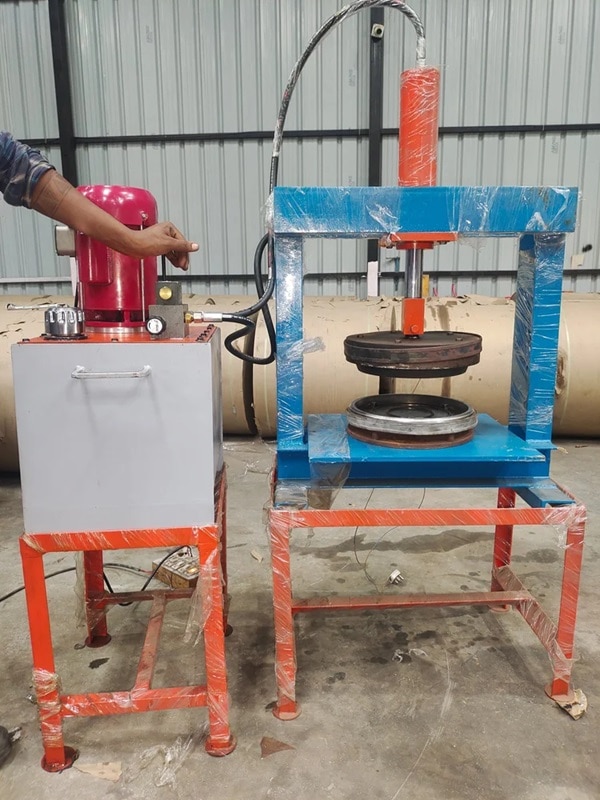 | Thali Making Machine Semi Automatic Thali Making Machine ₹95000 A Semi Automatic Thali Making Machine is an ideal choice for manufacturers who want reliable performance, controlled operation, and cost-effective... View product → |
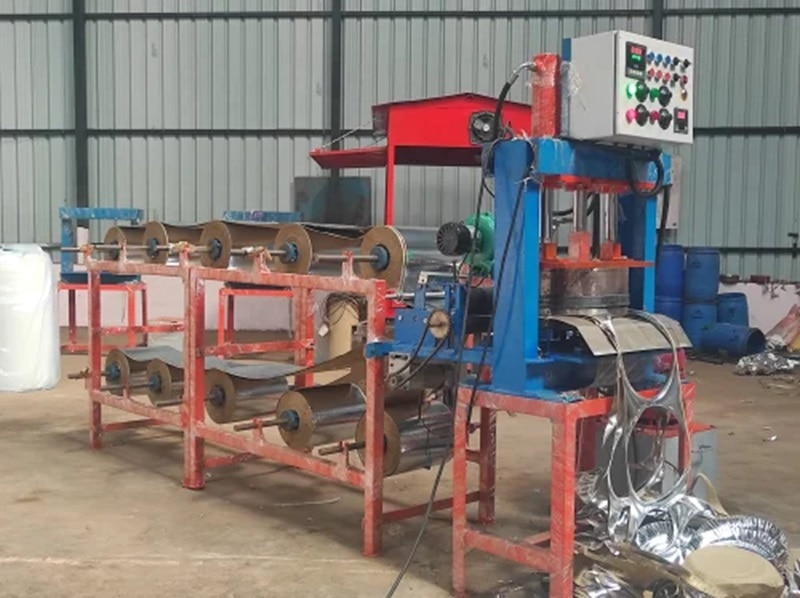 | Automatic Paper Plate Making Machine Fully Automatic All-in-One Paper Plate Machine ₹340000 The Fully Automatic All-in-One Paper Plate Machine is the ultimate choice for entrepreneurs and manufacturers who want a high-performance,... View product → |
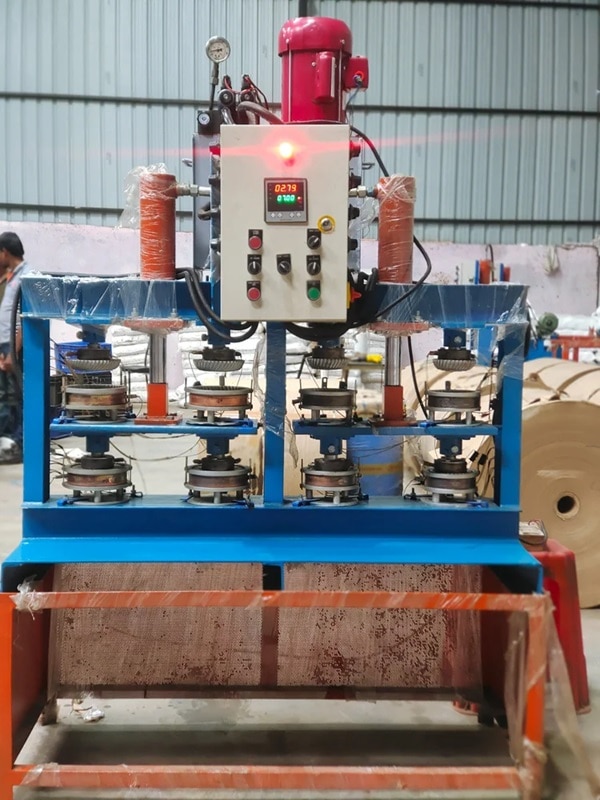 | Automatic Thali Making Machine Semi Automatic Hydraulic 8 Die Wrinkle Paper Plate Machine ₹290000 A Semi Automatic Hydraulic 8 Die Wrinkle Paper Plate Machine is a powerful and efficient manufacturing unit designed for high-volume production of... View product → |
Keywords