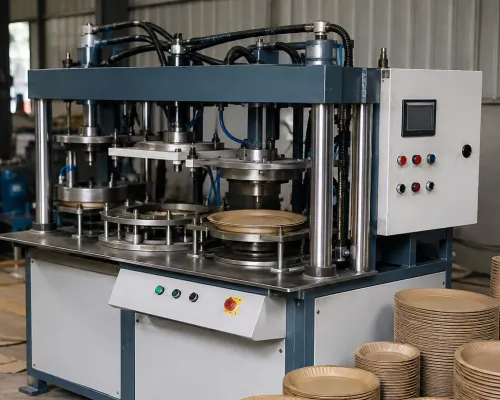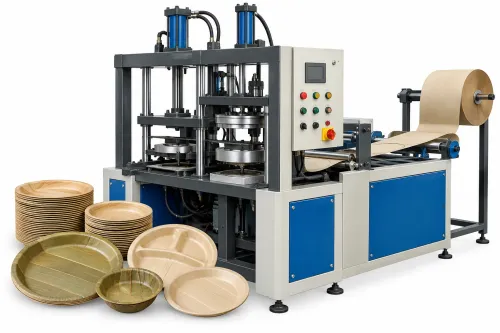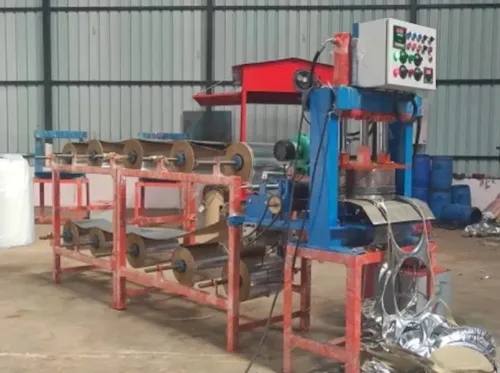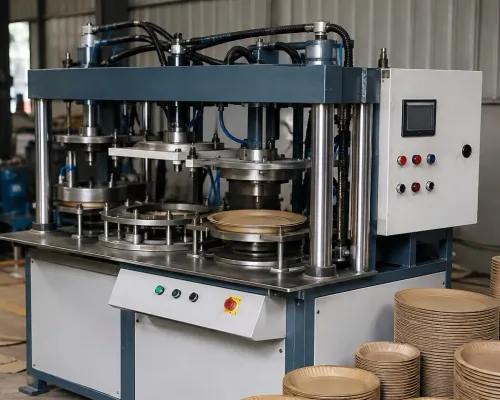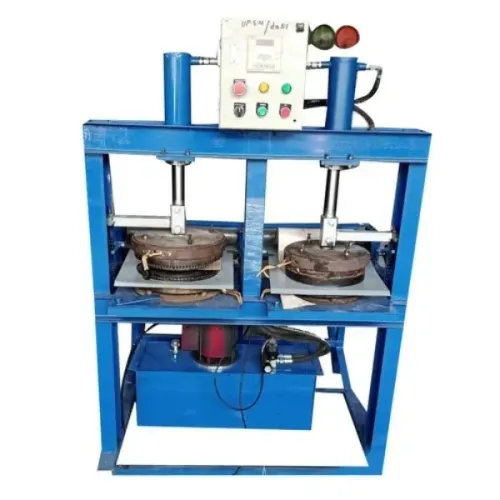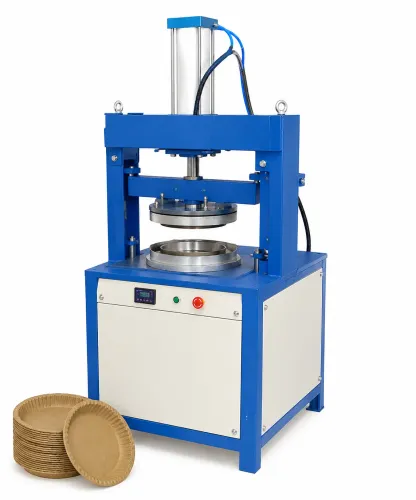
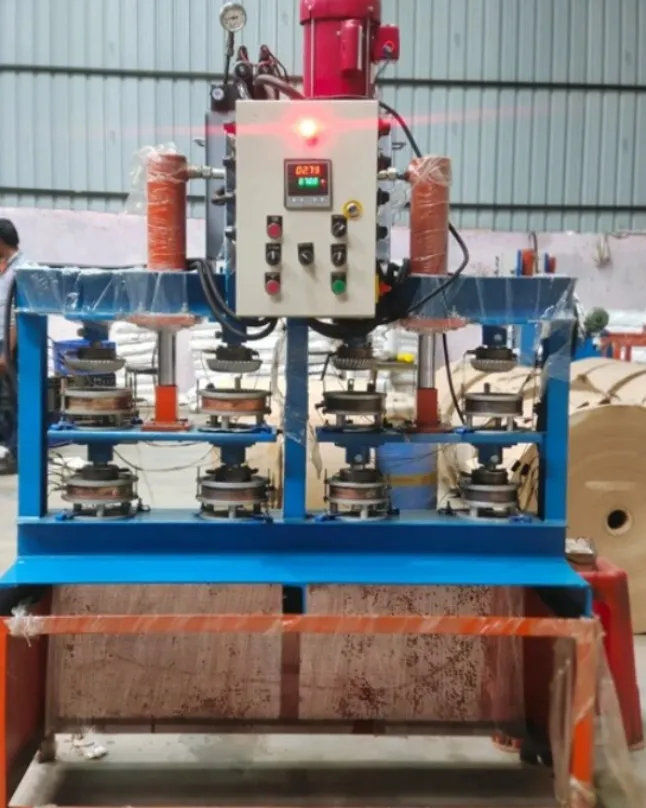
The growing demand for disposable food-serving products has encouraged many entrepreneurs and small manufacturers to explore automated production equipment. A Hydraulic Dona Plate Making Machine is designed to simplify the production of dona plates by using hydraulic pressure to form sheets into consistent shapes.
For manufacturers in Pune, Maharashtra, where access to engineering suppliers, fabrication support, industrial components, and skilled technicians is relatively strong, selecting the right machine can help establish a practical production setup.
How Hydraulic Dona Plate Making Works
A hydraulic machine uses controlled pressure to press raw material between dies. Once the material is positioned correctly, the hydraulic mechanism applies force and forms it according to the installed die.
The basic production cycle typically involves:
- Feeding suitable paper or sheet material
- Positioning the material correctly
- Applying hydraulic pressure
- Forming the required dona shape
- Releasing the finished product
- Repeating the cycle for continuous production
The actual process can vary according to machine configuration, die arrangement, material thickness, and automation level.
Why Hydraulic Operation Is Useful
Consistency is important in disposable product manufacturing. Uneven forming can affect appearance, dimensions, stacking, and usability.
Hydraulic systems are valued because they can provide controlled pressing force. When the machine, die, and raw material are properly matched, manufacturers can achieve more uniform output over repeated production cycles.
Another advantage is the possibility of using different dies where the machine design permits it. This can allow a business to manufacture different product sizes without establishing a completely separate production line for every requirement.
Factors That Influence Production Capacity
Machine capacity should never be evaluated only by a production figure mentioned in a brochure. Actual output depends on several operating conditions.
Important factors include:
- Number of dies
- Die dimensions
- Hydraulic cycle time
- Raw material quality
- Feeding arrangement
- Operator efficiency
- Required product size
- Machine operating hours
- Maintenance condition
A machine producing smaller dona products may achieve a different output rate from the same system fitted with a larger die.
For this reason, buyers should explain their intended product specifications before selecting equipment.
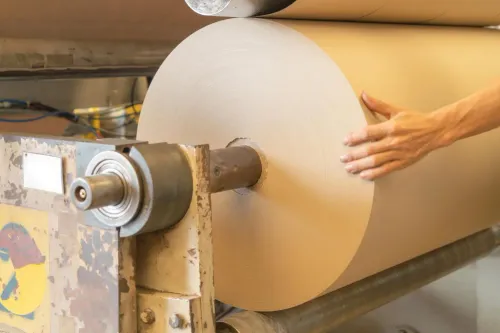
Choosing the Correct Raw Material
Production quality depends on more than machinery.
Paper thickness, coating, moisture condition, stiffness, and dimensional consistency can influence forming performance. Poor-quality raw material may lead to tearing, irregular edges, incomplete forming, or increased rejection.
Manufacturers should conduct sample trials whenever possible before purchasing raw material in large quantities.
Space Planning Matters
Even relatively compact manufacturing equipment needs suitable working space.
A practical production area should provide room for raw material storage, machine operation, finished product stacking, packaging, maintenance access, and safe operator movement.
Electrical arrangements and ventilation should also be considered before installation.
Businesses planning a dona manufacturing facility in Pune should evaluate the complete workflow rather than simply checking whether the machine physically fits inside the available space.
Maintenance Supports Reliable Output
Hydraulic equipment requires routine inspection.
Operators should regularly observe hydraulic oil condition, hoses, fittings, seals, moving components, die alignment, electrical connections, and unusual operating sounds.
Cleaning around the forming area is equally important because accumulated paper particles can interfere with smooth production.
Preventive maintenance is generally easier to manage than unexpected production stoppages caused by neglected components.
Understanding the Machine Before Investing
A Hydraulic Dona Plate Making Machine can be a useful option for businesses entering disposable foodware manufacturing, but equipment selection should follow actual production requirements.
Product dimensions, expected daily demand, raw material availability, workspace, electrical infrastructure, labour, and future expansion plans should all be considered.
Engineering manufacturers such as Shivansh Engineering can help buyers understand machine configurations based on intended applications. A technically suitable setup gives manufacturers a stronger foundation for maintaining consistent production rather than purchasing equipment purely on the basis of advertised capacity.
For businesses evaluating disposable product manufacturing in Pune, careful planning at the machine-selection stage can prevent unnecessary operational difficulties later.
Keywords