Starting dona manufacturing may appear straightforward: purchase machinery, arrange paper material, install dies, and begin production. In practice, small equipment-selection mistakes can create recurring problems with output, product consistency, labour, and maintenance.
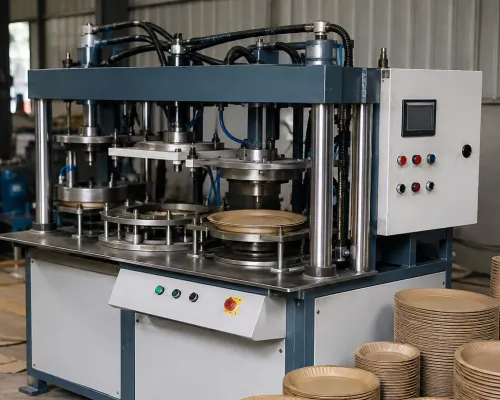
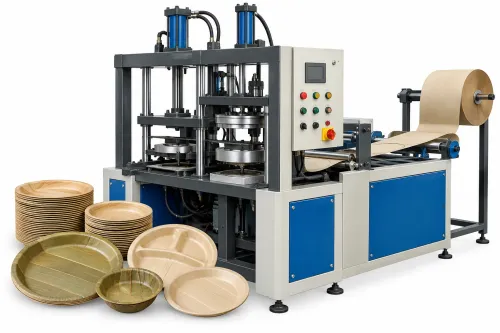
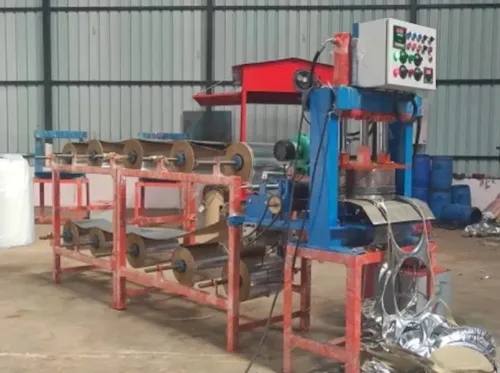
Businesses evaluating a Disposable Dona Making Machine in Talawade, Maharashtra can reduce these problems by understanding the most common purchasing mistakes before placing an order.
Buying Only on the Basis of Price
Initial investment naturally matters, particularly for small manufacturing businesses.
However, selecting machinery solely because it has the lowest quotation can be risky. Equipment should also be assessed for construction, operating mechanism, die quality, maintainability, component availability, electrical requirements, and expected production.
A lower purchase price can become less attractive if frequent downtime or excessive rejection increases operating costs.
Choosing Capacity Without Studying Demand
Some buyers automatically select the highest-capacity machine within their budget.
Higher capacity is useful only when the business has sufficient demand, raw material supply, labour, packaging arrangements, and sales channels to utilize it.
An oversized setup can leave capital underutilized. An undersized machine can create production bottlenecks when orders increase.
Estimate realistic daily and monthly demand before determining capacity.
Ignoring Product Size Requirements
Dona products can be manufactured in different dimensions and designs.
The machine and dies should therefore be selected around the intended finished products.
Confirm which sizes are required initially and which may be introduced later. Understanding die compatibility before purchase can make future product diversification easier.
Assuming Every Paper Material Will Perform Similarly
Raw material has a direct influence on finished-product quality.
Differences in thickness, stiffness, coating, storage condition, and dimensional consistency can change forming performance.
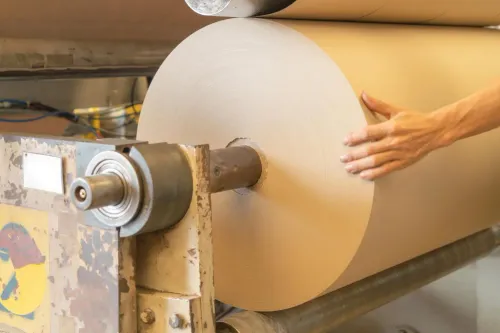
A machine cannot completely compensate for unsuitable raw material.
Whenever feasible, conduct production trials using the type of material you expect to use commercially.
Forgetting About Workspace
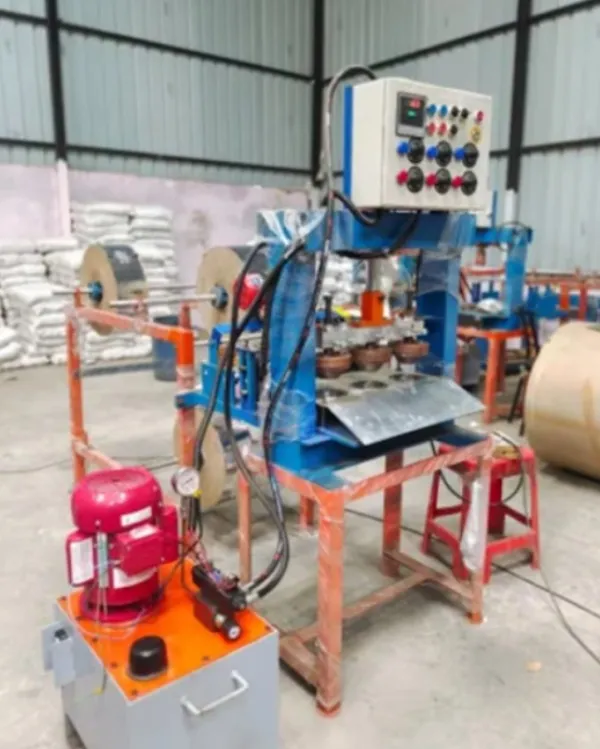
The physical dimensions of the machine represent only part of the required production area.
Manufacturers also need space for:
- Raw material
- Operator movement
- Finished dona collection
- Packing
- Maintenance
- Material handling
A cramped layout can reduce efficiency and make maintenance unnecessarily difficult.
Industrial units in Talawade should plan the workflow around material movement from storage through forming and final packaging.
Overlooking Operator Training
Incorrect feeding, careless die handling, inappropriate settings, and poor cleaning practices can all reduce production quality.
Operators should understand normal machine operation as well as warning signs such as unusual noise, inconsistent forming, leakage, overheating, or changes in cycle performance.
Basic training can help prevent avoidable production interruptions.
Ignoring Spare Parts and Service Requirements
No production machine should be purchased without understanding maintenance requirements.
Ask the manufacturer which parts require periodic replacement and what routine inspections are recommended.
Also understand the maintenance schedule for electrical, mechanical, and hydraulic components applicable to the selected model.
Focusing on Claimed Output Instead of Usable Output
Production capacity and saleable production are not always identical.
If a machine runs quickly but generates a significant percentage of malformed or damaged products, effective productivity drops.
Manufacturers should therefore evaluate consistent usable output rather than focusing exclusively on maximum cycle speed.
Make Technical Evaluation Part of Purchasing
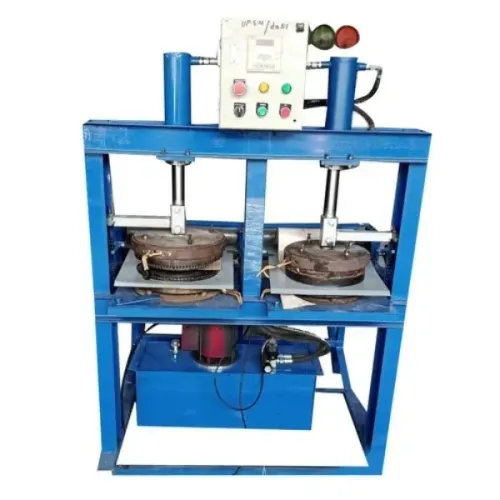
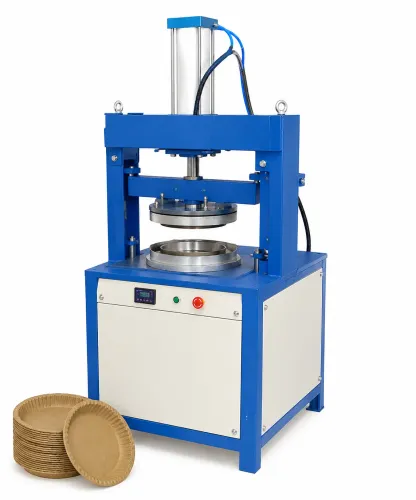
The right Disposable Dona Making Machine should match the product, material, production volume, available utilities, and operating environment.
Shivansh Engineering manufactures industrial machinery and can discuss machine requirements in relation to intended production rather than treating equipment selection as a one-specification decision.
For manufacturers setting up operations in Talawade, avoiding these common mistakes can make the difference between a machine that simply operates and a production system that remains practical for everyday manufacturing.
Keywords