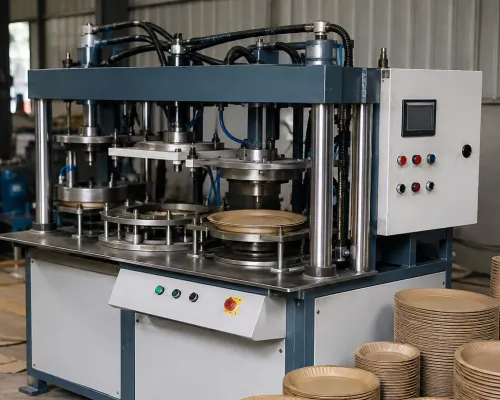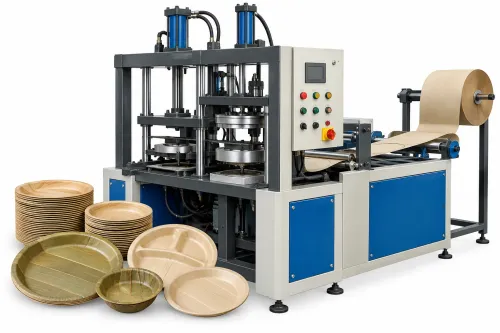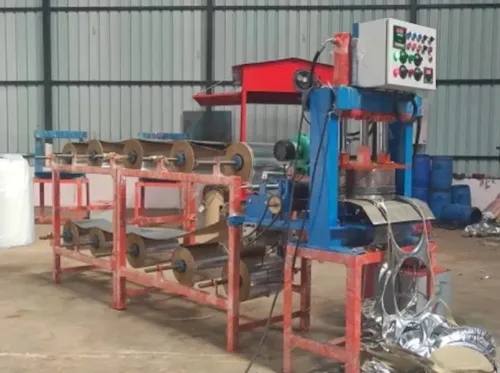
Automatic paper plate machine setups are becoming more common across Pimpri Chinchwad, especially among medium-scale manufacturing units trying to increase production without expanding labor costs too aggressively. It’s not only about automation anymore; it’s about production stability.
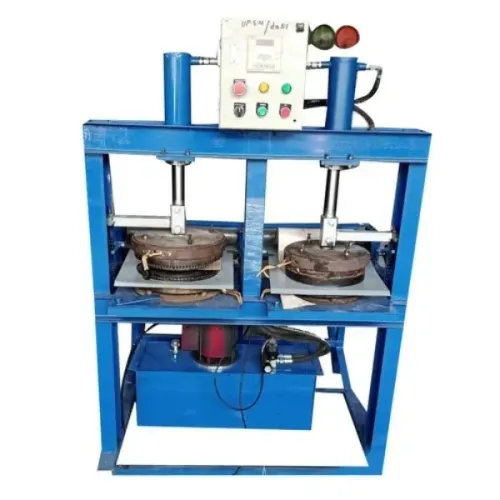
Many factory owners now prefer hydraulic dona plate making machines because they handle continuous operations more smoothly during longer production cycles. That matters in industrial areas where daily output commitments cannot afford interruptions.
Shivansh Engineering has noticed a shift in buyer behavior too. Earlier, people mostly searched for low-cost machines. Today, buyers ask more detailed questions about die quality, power consumption, pressure systems and long-term maintenance. That’s a healthy sign for the industry because informed buyers usually build sustainable businesses.
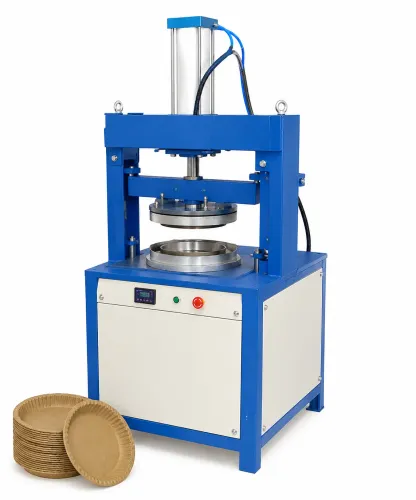
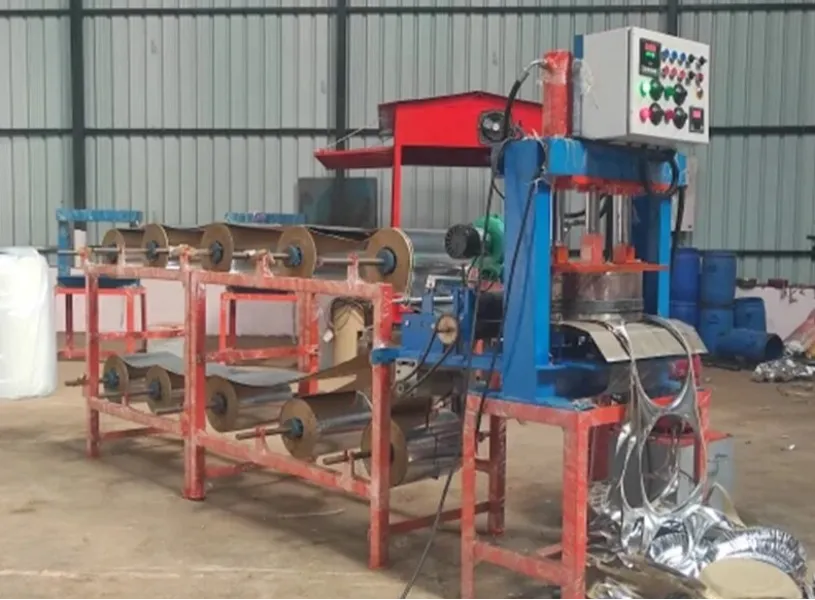
The paper plate market around Pune, Mumbai and Nashik has expanded beyond local catering demand. Retail packaging suppliers, food delivery businesses and temple distribution networks are also contributing to increasing usage of disposable paper products. Naturally, manufacturers are looking for fully automatic paper plate making machines that can handle higher output with minimal downtime.
A few years ago, many small operators worked with manual systems. Now even startup manufacturers in Talawade and Chakan are considering automatic dona making machines from day one. Production speed matters, but consistency matters even more.
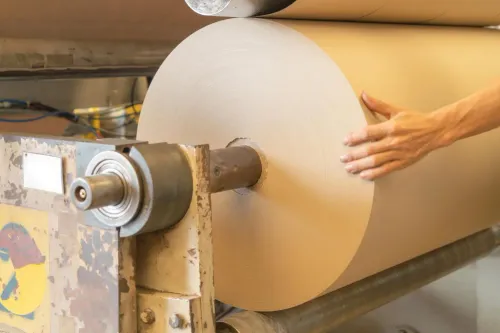
There’s another practical aspect people often overlook — raw material compatibility. A good paper plate raw material supplier can significantly improve finished product quality and reduce wastage during production.
Shivansh Engineering continues working with businesses that want machinery solutions aligned with actual production goals rather than generic machine recommendations. Sometimes a simpler machine delivers better ROI than a highly complex setup. Understanding that balance is where experience really shows.
Keywords