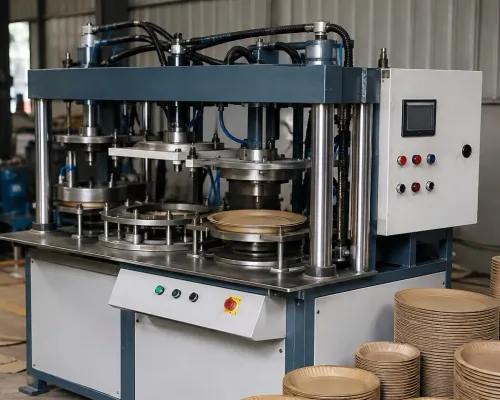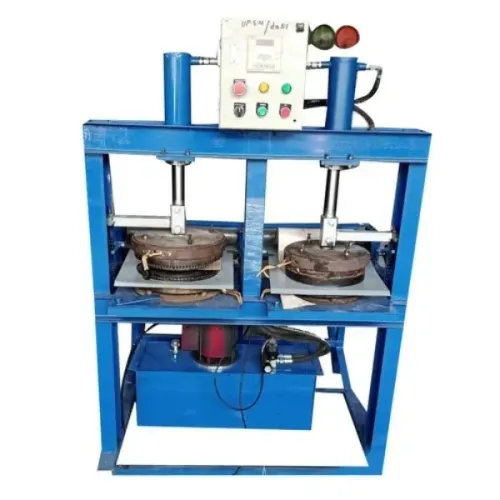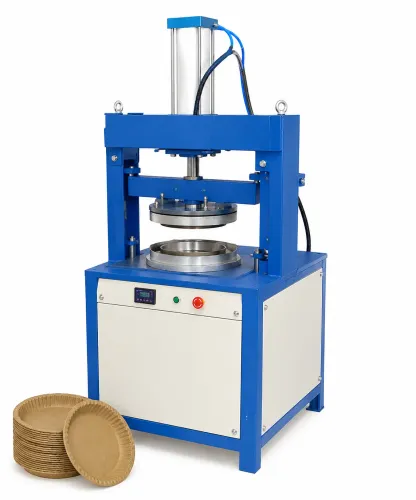


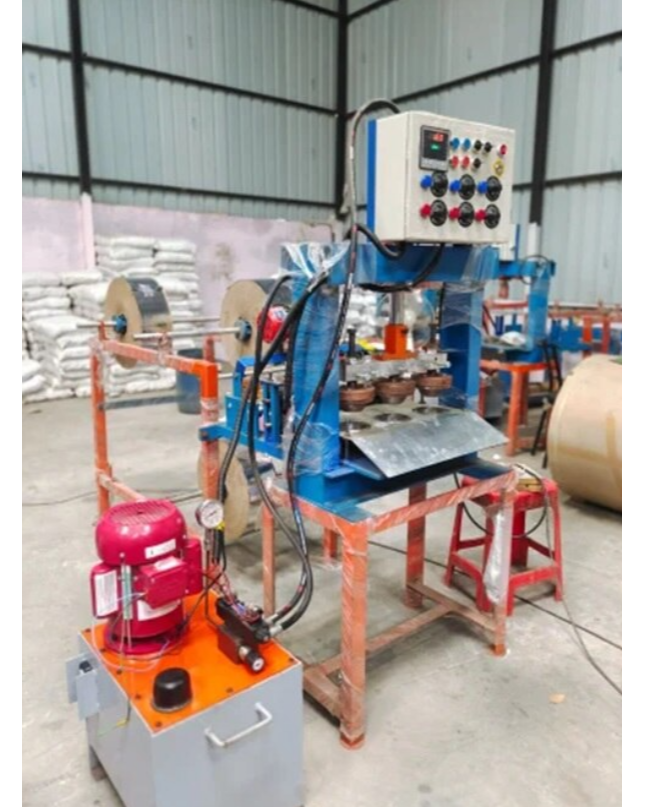
Automatic dona making machine demand around Nashik has started growing steadily, especially among businesses connected to food packaging, catering supplies and wholesale disposable distribution. The city’s expanding commercial food sector has quietly created opportunities for manufacturers who can maintain consistent supply without compromising quality.
What many new business owners realize after entering this industry is that production speed alone doesn’t guarantee success. Consistency does.
Shivansh Engineering frequently interacts with manufacturing units looking for machines that balance output capacity with manageable operating costs. In areas where electricity efficiency and maintenance planning matter daily, buyers often prefer practical machine setups over overly complicated systems.
There’s also increasing interest in hydraulic dona plate making machines because they produce stronger finishing quality for bulk catering applications. Local event suppliers and food chains usually prefer products that hold shape properly during transportation and usage. Small details like that influence repeat business more than people expect.
Interestingly, many manufacturers in Nashik are not restricting themselves to local markets anymore. They are supplying paper thali products to Pune, Mumbai and even nearby districts during seasonal demand spikes. Better transport connectivity has made regional expansion easier for smaller units.
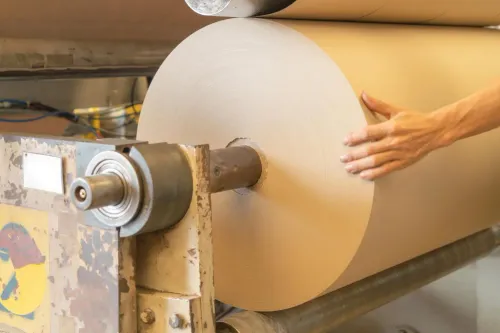
Paper plate raw material suppliers have also become an important part of the conversation. Businesses now understand that raw material quality directly affects machine performance, wastage percentage and final customer satisfaction.
Shivansh Engineering continues supporting manufacturers who want realistic production planning instead of exaggerated promises. Discussions usually revolve around output expectations, machine durability, die customization and future scalability.
For businesses considering this segment today, starting with a well-planned manufacturing setup often creates smoother long-term growth than rushing into oversized production investments.